


How you age often comes down to what you eat. A 30-year study tracking over 100,000 people found that consistent healthy eating patterns can dramatically improve long-term health outcomes. This headline sounds obvious, but here’s where it gets interesting. Most people assume that staying healthy as you age is about cutting calories or avoiding certain foods altogether. New science points in a different direction—precision nutrition, not restriction, is the key. The nutrients you choose, how you track progress, and even how you personalize your diet could make all the difference in how you feel and function at every stage of life.
Table of Contents
- Key Nutrients For Healthy Aging
- Personalized Nutrition Strategies By Age
- Tracking Wellness And Dietary Success
- Supplements For Longevity: What Science Shows
Quick Summary
| Takeaway | Explanation |
|---|---|
| Focus on Essential Micronutrients | Key nutrients such as Vitamin D, Omega-3 Fatty Acids, and Antioxidants are crucial for maintaining cellular health and reducing age-related decline. |
| Prioritize Protein Intake | As we age, higher protein consumption is essential for muscle preservation, with optimal sources including lean meats, fish, and legumes. |
| Embrace Personalized Nutrition | Tailoring nutritional strategies based on age and individual physiological needs enhances health outcomes and supports longevity. |
| Utilize Digital Health Tools | Tracking dietary intake and wellness through apps and wearable devices facilitates proactive health management and informed nutritional decisions. |
| Integrate Supplements Wisely | Supplements like Vitamin D3 and Coenzyme Q10 can support longevity, but should complement a balanced diet and lifestyle, not replace them. |
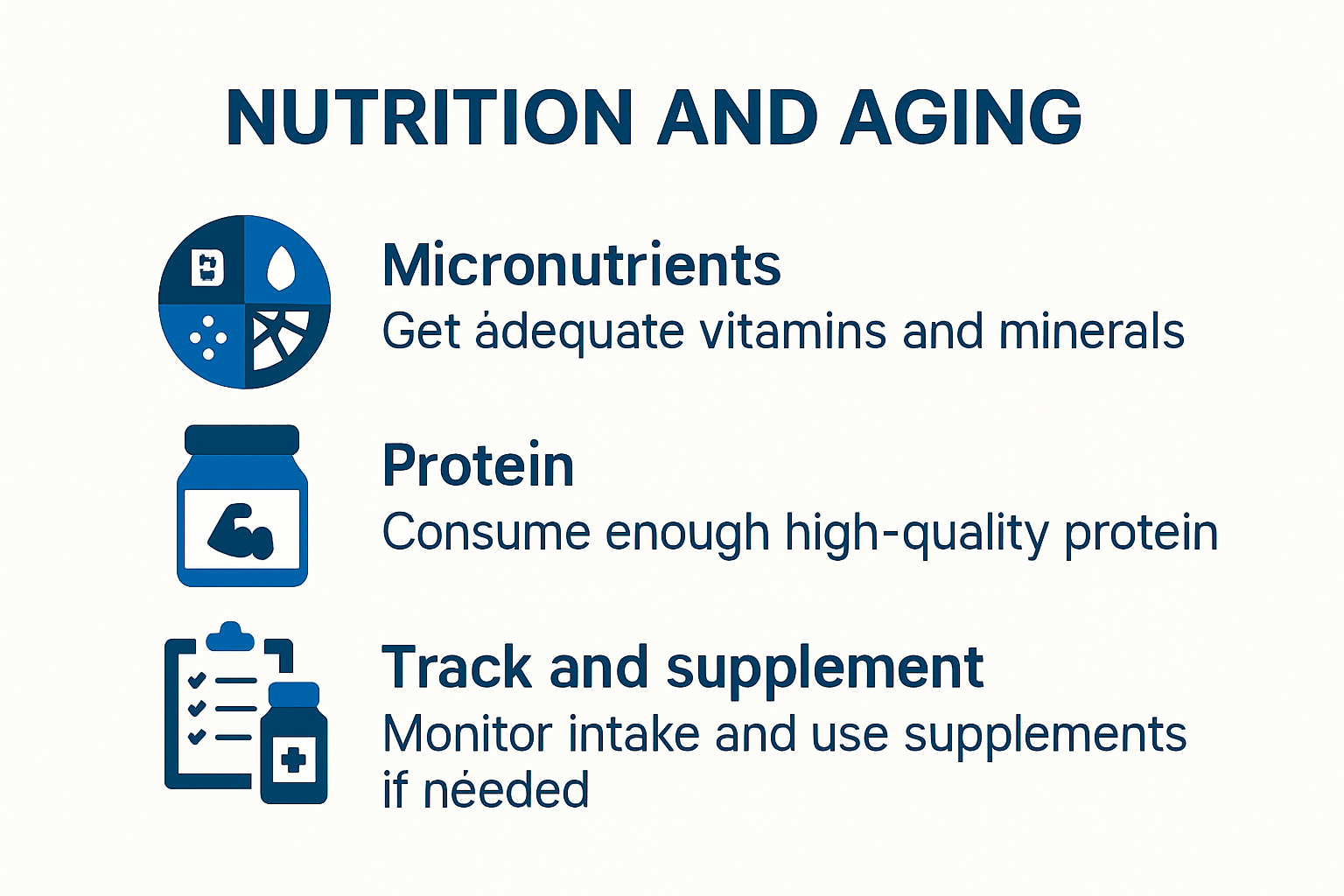
Key Nutrients for Healthy Aging
Nutrition plays a critical role in how our bodies age, with specific nutrients emerging as powerful allies in maintaining health and vitality. Understanding the right nutritional strategies can significantly impact our ability to age gracefully and maintain optimal physical and cognitive function.
Essential Micronutrients for Cellular Resilience
As we age, our nutritional needs become more precise and targeted. Research from Harvard School of Public Health highlights that certain micronutrients are particularly crucial in supporting cellular health and preventing age-related decline.
Key micronutrients that support healthy aging include:
-
Vitamin D: Critical for bone health and immune function. Research indicates that higher dietary fiber and high-quality carbohydrate intake in midlife correlates with increased likelihood of healthy aging.
-
Omega-3 Fatty Acids: Essential for brain health and reducing inflammation. These nutrients help maintain cognitive function and support cardiovascular health.
-
Antioxidants: Vitamins C and E play a significant role in protecting cells from oxidative stress, which accelerates aging processes.
Precision nutrition becomes increasingly important with age. The body’s ability to absorb nutrients changes, making strategic dietary choices more critical than ever. According to Aging Research Institute, a well-balanced diet rich in plant-based foods with moderate inclusion of healthy animal proteins can dramatically enhance healthy aging outcomes.
Protein and Muscle Preservation
Maintaining muscle mass is a critical component of healthy aging. Nutrition research demonstrates that adequate protein intake becomes increasingly important as we get older. Muscle loss, known as sarcopenia, can be mitigated through strategic protein consumption.
Optimal protein sources include:
- Lean meats
- Fish
- Legumes
- Plant-based protein alternatives

The recommended protein intake increases with age, with experts suggesting higher amounts to counteract natural muscle degradation. Consuming protein across multiple meals helps optimize muscle protein synthesis and supports overall physical resilience.
Hydration and Nutritional Synergy
While often overlooked, proper hydration is a fundamental aspect of nutritional health in aging. Water plays a crucial role in nutrient transportation, cellular function, and overall metabolic processes. As we age, the body’s ability to regulate water balance diminishes, making conscious hydration more important.
Additionally, understanding how different nutrients interact can maximize their effectiveness. For instance, vitamin D absorption is enhanced when consumed with healthy fats, while calcium requires vitamin D for proper absorption. These intricate nutritional relationships underscore the importance of a holistic approach to dietary planning.
By focusing on these key nutrients and understanding their complex interactions, individuals can develop a proactive nutritional strategy that supports longevity, maintains physical function, and promotes overall well-being throughout the aging process.
Personalized Nutrition Strategies by Age
Nutrition is not a one-size-fits-all approach, particularly as individuals progress through different life stages. Emerging research demonstrates that targeted nutritional strategies can significantly enhance health outcomes by addressing specific physiological needs across various age groups.
Nutritional Needs in Early and Middle Adulthood
Nutrition research from Kerry Health and Nutrition Institute reveals that personalized nutrition is increasingly focused on addressing individual “need states” such as joint, bone, gut, cognitive, and heart health. During early and middle adulthood, nutritional strategies should prioritize foundational health maintenance and preventative approaches.
Key nutritional priorities for adults aged 25-45 include:
- Metabolic Support: Balanced macronutrient intake that supports energy metabolism and weight management
- Stress Resilience: Nutrients that support adrenal function and cortisol regulation
- Immune System Optimization: Targeted micronutrient supplementation to enhance immune response
Age-Specific Nutritional Adaptation for Seniors
Global research on senior nutrition indicates a significant shift toward personalized dietary plans and functional foods designed to address age-related health challenges. As individuals enter their senior years, nutritional needs become more complex and require more nuanced approaches.
For individuals over 55, nutritional strategies should focus on:
- Maintaining muscle mass through targeted protein intake
- Supporting cognitive function with brain-health nutrients
- Managing inflammation and supporting cardiovascular health
Long-Term Dietary Patterns and Healthy Aging
A comprehensive 30-year study tracking over 100,000 participants discovered profound connections between dietary patterns and healthy aging. The research highlighted that consistent adherence to nutrient-dense dietary approaches dramatically influences long-term health outcomes across cognitive, physical, and mental domains.
Key principles for developing a lifelong nutrition strategy include:
- Emphasizing whole, minimally processed foods
- Prioritizing plant-based nutrition with moderate healthy animal proteins
- Continuously adapting nutritional intake based on changing physiological needs
The emerging field of personalized nutrition recognizes that dietary needs are dynamic. What works in your 30s will differ significantly from nutritional requirements in your 50s or 60s. By understanding these nuanced changes and proactively adjusting nutritional strategies, individuals can optimize their health trajectory and support comprehensive well-being throughout their lifetime.
Technology and advanced diagnostic tools are making personalized nutrition more accessible, enabling individuals to receive precise, data-driven nutritional recommendations that account for genetic predispositions, lifestyle factors, and individual health metrics. This evolution represents a significant leap forward in preventative healthcare and personal wellness management.
Tracking Wellness and Dietary Success
In the evolving landscape of personal health, tracking wellness and dietary success has transformed from a passive observation to an active, data-driven approach. Advanced technological tools and scientific methodologies now enable individuals to gain unprecedented insights into their nutritional health and long-term wellness trajectories.
Digital Health Monitoring Tools
Global Wellness Institute research highlights the 2025 nutrition trends emphasizing health-focused, sustainable food choices. Modern tracking technologies have revolutionized how individuals monitor their dietary intake and wellness metrics.
Key digital tracking strategies include:
- Nutritional Logging Apps: Comprehensive platforms that analyze macro and micronutrient intake
- Wearable Health Devices: Real-time metabolic and physiological data tracking
- Genetic Nutrition Platforms: Personalized dietary recommendations based on genetic profiles
These digital tools provide granular insights into nutritional patterns, enabling proactive health management. By converting complex dietary data into actionable recommendations, individuals can make informed decisions about their nutrition and lifestyle.
Validated Dietary Assessment Methods
American Medical Association research demonstrates the significance of long-term dietary tracking. Validated diet quality assessment tools like the Alternate Healthy Eating Index offer comprehensive frameworks for evaluating nutritional strategies.
Comprehensive tracking methodologies involve:
- Systematic documentation of food intake
- Regular health metric assessments
- Periodic nutritional profile evaluations
- Tracking biomarkers related to metabolic health
These methods transform dietary tracking from a simple record-keeping exercise into a sophisticated health optimization strategy. By understanding the nuanced relationships between dietary choices and health outcomes, individuals can develop more targeted and effective nutritional approaches.
Continuous Adaptation and Personalization
Successful wellness tracking is not about rigid adherence but dynamic, responsive adjustment. As individuals age and their physiological needs change, tracking tools must evolve correspondingly. The most effective tracking strategies incorporate flexibility, allowing for continuous refinement of nutritional approaches based on real-time data and changing health conditions.
Key principles of adaptive wellness tracking include:
- Regular reassessment of nutritional goals
- Integration of multiple health data sources
- Personalized feedback mechanisms
- Holistic consideration of lifestyle factors
Technology now enables a more integrated approach to wellness tracking. Advanced algorithms can synthesize data from multiple sources—including dietary logs, fitness trackers, genetic profiles, and blood test results—to provide comprehensive health insights. This multi-dimensional approach allows for more precise, personalized nutritional recommendations.
The future of wellness tracking lies in creating seamless, intelligent systems that not only record health data but actively guide individuals toward optimal nutritional choices. By embracing these advanced tracking methodologies, individuals can take unprecedented control of their health journey, transforming nutrition from a reactive to a proactive science.
Supplements for Longevity: What Science Shows
The quest for longevity has driven extensive scientific research into nutritional supplements that can potentially support healthy aging. Understanding the scientific evidence behind these compounds provides crucial insights into their role in promoting long-term health and wellness.
Cellular Health and Aging Markers
Harvard Medical Research revealed groundbreaking findings about vitamin D3 supplements, demonstrating significant reduction in telomere shortening over four years. Telomeres, the protective caps on chromosomes, are critical indicators of biological aging.
Key supplements with promising cellular health benefits include:
- Vitamin D3: Supports telomere preservation and cellular integrity
- Magnesium: Essential for metabolic processes and cellular energy production
- Curcumin: Powerful anti-inflammatory compound with potential cellular protective properties
Scientific investigations suggest that these supplements work at the molecular level, potentially mitigating age-related cellular deterioration. The intricate mechanisms involve reducing oxidative stress, supporting mitochondrial function, and modulating inflammatory responses.
Evidence-Based Longevity Compounds
Comprehensive research from longevity scientists highlights several compounds showing remarkable potential in supporting healthy aging. While no supplement guarantees extended lifespan, certain compounds demonstrate significant promise in supporting cellular health and physiological resilience.
Notable longevity-supporting supplements include:
- Coenzyme Q10 (CoQ10): Supports mitochondrial energy production
- Nicotinamide Mononucleotide (NMN): Potentially supports cellular NAD+ levels
- Fisetin: Shows potential in clearing senescent cells
- Vitamins C and E: Provide powerful antioxidant protection
Researchers emphasize that these supplements are not magic bullets but potential complementary strategies to support overall health. Their effectiveness depends on individual physiological conditions, genetic factors, and comprehensive lifestyle approaches.
Personalized Supplement Strategies
Nutrition experts recommend a nuanced approach to supplement intake. The most effective longevity strategies integrate targeted supplementation with holistic lifestyle interventions. This means supplements should be considered as part of a broader health optimization plan, not isolated solutions.
Key considerations for supplement optimization include:
- Individual health assessment
- Comprehensive blood work
- Consultation with healthcare professionals
- Regular monitoring of supplement effectiveness
- Consideration of potential interactions
The emerging field of personalized nutrition suggests that supplement effectiveness varies significantly between individuals. Genetic profiling, metabolic assessments, and advanced diagnostic tools are increasingly enabling more precise supplement recommendations.
Importantly, supplements cannot compensate for poor dietary habits, lack of physical activity, or chronic stress. They represent supportive elements in a comprehensive approach to health and longevity. The most promising path involves integrating high-quality supplements with nutrient-dense whole foods, regular exercise, stress management, and consistent health monitoring.
As scientific understanding evolves, the approach to supplements becomes increasingly sophisticated. Researchers continue to explore the complex interactions between nutritional compounds and human physiology, offering hope for more targeted and effective strategies to support healthy aging.
To summarize the key nutrients for healthy aging, here’s a table summarizing their primary roles and benefits, as discussed above:
| Nutrient | Main Function | Benefit for Aging |
|---|---|---|
| Vitamin D | Supports bone health, immune function | Reduces bone loss, improves immunity |
| Omega-3 Fatty Acids | Brain health, reduces inflammation | Maintains cognition, supports heart health |
| Antioxidants (C, E) | Protects cells from oxidative stress | Slows cellular aging |
| Protein | Builds and preserves muscle mass | Prevents sarcopenia, strengthens body |
| Water (Hydration) | Nutrient transportation, cellular function | Maintains metabolism and cell health |
Below is a comparison table outlining the strategies and priorities for nutrition by different life stages, based on content in the “Personalized Nutrition Strategies by Age” section:
| Age Group | Key Nutritional Priorities | Focus Areas |
|---|---|---|
| Early/Middle Adulthood (25-45) | Metabolic support, stress resilience, immune optimization | Balanced macronutrients, adrenal support, targeted micronutrients |
| Seniors (55+) | Muscle preservation, cognitive function, inflammation & heart support | Higher protein, brain-health nutrients, anti-inflammatory foods |
Frequently Asked Questions
What are the key nutrients for healthy aging?
Key nutrients important for healthy aging include Vitamin D, Omega-3 Fatty Acids, and Antioxidants. These nutrients support cellular health, reduce inflammation, and maintain cognitive function as you age.
How should nutrition change as we age?
As we age, nutritional strategies should focus on higher protein intake for muscle preservation, increased hydration, and personalized dietary adjustments to meet changing health needs.
Are there specific dietary patterns that promote longevity?
Yes, adhering to nutrient-dense dietary patterns that emphasize whole, minimally processed foods and plant-based nutrition can significantly improve long-term health outcomes and support healthy aging.
What role do supplements play in healthy aging?
Supplements like Vitamin D3, Coenzyme Q10, and other antioxidants may support longevity and cellular health. However, they should complement a balanced diet and not replace it.
Unlock Personalized Nutrition for Healthy Aging
Are you feeling overwhelmed by the constant changes your body experiences as you age, or frustrated by generic supplement advice that does not reflect your unique needs? This article shows that longevity is not just about what you eat but about how you tailor nutrition to your life stage, health metrics, and specific goals. You want better muscle preservation, stronger immunity, and sharper cognition—but generic routines fall short. Precision nutrition and continuous health tracking are the missing pieces, and that is where smart technology steps in.
Take control of your aging journey with Menalam, the all-in-one platform using AI to create science-backed, personalized supplement plans that match your lifestyle, health data, and evolving goals. After a quick health quiz, receive expert supplement recommendations, easy tracking through a powerful app, and ongoing adjustments based on your progress or blood test results. Do not let another year pass with guesswork—discover your ideal plan now on Menalam and start turning every decade into your healthiest yet.
Leave a Reply