


Immune system nutrition is shaping up to be the most pivotal health topic of 2025. Everyone knows that eating well can influence how you feel. Yet here’s the shocker. The personalized nutrition market is projected to hit $17.9 billion by 2025, and it is changing how people defend themselves against illness. Forget one-size-fits-all diets. The new science reveals that your body’s own nutritional profile holds the real power to unlock stronger immune resilience, with surprising breakthroughs showing up in your next meal.
Table of Contents
- How Nutrition Impacts Your Immune System
- Essential Nutrients For Immune Health
- Personalized Nutrition And Tracking For Immunity
- Supplements And Foods Backed By Science
Quick Summary
| Takeaway | Explanation |
|---|---|
| Nutrition is fundamental to immune function | A well-balanced diet rich in macronutrients and micronutrients is essential for supporting the immune system against infections and maintaining overall health. |
| Focus on nutrient-dense whole foods | Consuming a diverse range of whole foods, including fruits, vegetables, lean proteins, and healthy fats, enhances immune resilience by providing critical nutrients that work synergistically. |
| Personalized nutrition enhances immune support | Tailoring dietary interventions based on individual nutritional profiles leads to more effective immune system support, addressing specific vulnerabilities and strengths. |
| Incorporate innovative ingredients for targeted health | Ingredients like omega-3 fatty acids, probiotics, and adaptogens can enhance immune function when integrated into a personalized dietary plan. |
| Leverage technology for nutritional tracking | Utilizing digital health tools can help monitor nutritional intake and immune health, allowing for dynamic adjustments to optimize dietary strategies. |
How Nutrition Impacts Your Immune System
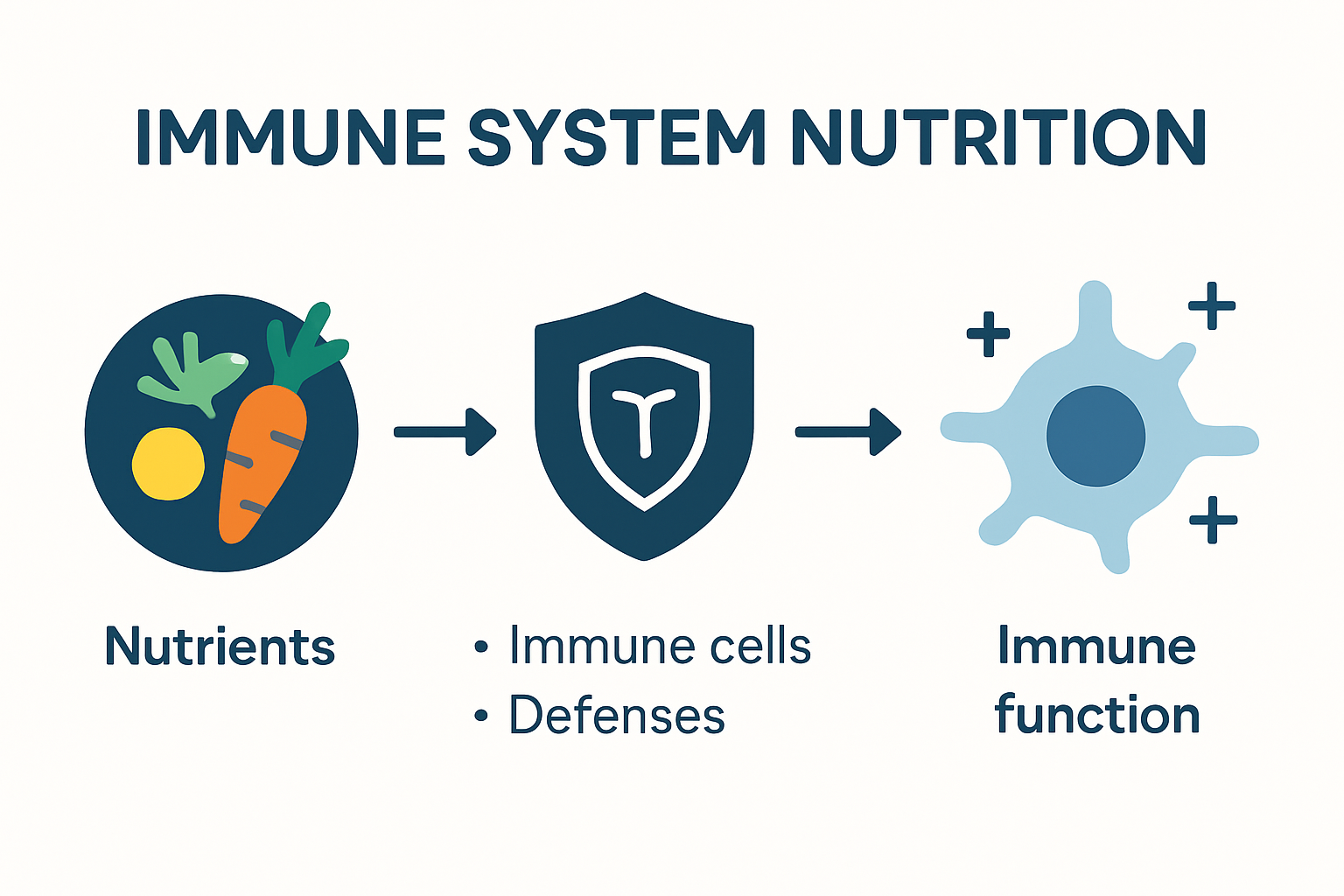
Your immune system operates like a complex defense network, with nutrition serving as its fundamental fuel and strategic support. Understanding how what you eat directly influences immune function reveals a powerful connection between diet and your body’s ability to fight infections and maintain overall health.
Nutritional Building Blocks of Immune Defense
The relationship between nutrition and immune system performance is intricate and scientifically profound. Research from the Harvard School of Public Health demonstrates that individuals with poor nutritional status are significantly more vulnerable to bacterial, viral, and other infectious challenges. This vulnerability stems from the critical role nutrients play in supporting immune cell development, communication, and response mechanisms.
Specifically, macronutrients and micronutrients act as essential immunomodulators. Proteins provide amino acids necessary for antibody production, while complex carbohydrates and healthy fats support inflammatory responses and cellular signaling. Micronutrients like zinc and iron emerge as particularly crucial in maintaining immune system homeostasis.
Metabolic Pathways and Immune Function
Cutting-edge research from the Frontiers in Immunology reveals the sophisticated metabolic pathways through which nutrition directly influences immune responses. Nutrients do not merely provide energy but actively participate in immune cell differentiation, proliferation, and functional activation.
For instance, zinc metabolism plays a pivotal role in immune cell development and function. University of Connecticut nutrition scientists highlight how adequate zinc intake becomes increasingly critical as individuals age, helping counteract immunosenescence—the gradual decline of immune system effectiveness.
Strategic Nutrition for Immune Resilience
Building a robust immune system requires a comprehensive nutritional approach. Key strategies include consuming a diverse range of whole foods, prioritizing nutrient-dense options that provide comprehensive immune support. Whole fruits, vegetables, lean proteins, and whole grains form the foundation of an immune-optimizing diet.
Practical recommendations include integrating foods rich in antioxidants, omega-3 fatty acids, and essential vitamins. These nutrients work synergistically to enhance immune cell function, reduce inflammation, and support the body’s natural defense mechanisms. By viewing nutrition as a strategic intervention rather than a passive background process, individuals can proactively strengthen their immune resilience.
Understanding the intricate connection between nutrition and immune function empowers individuals to make informed dietary choices. Each meal becomes an opportunity to support and enhance the body’s natural defense systems, transforming nutrition from a basic need into a powerful health optimization strategy.
Essential Nutrients for Immune Health
Immune health relies on a precise orchestration of nutrients that work together to defend and protect the body. Unlike generic health advice, targeted nutritional strategies can significantly enhance immune system performance and resilience.
Micronutrients: The Immune System’s Precision Toolkit
Research from the National Institutes of Health reveals that specific micronutrients play critical roles in immune function. Vitamin E emerges as a powerful immune modulator, enhancing antibody production and natural killer cell activity. Its complex interactions support both humoral and cell-mediated immunity, demonstrating how individual nutrients can profoundly impact overall immune responses.
Vitamin A and zinc form another powerful immune-supporting duo. Frontiers in Nutrition studies highlight their ability to promote immune cell proliferation and regulate inflammatory pathways. These micronutrients support the differentiation of regulatory T cells, which are essential for maintaining balanced immune responses and preventing autoimmune disorders.

Nutrient Interactions and Immune Resilience
Harvard School of Public Health nutrition experts emphasize that nutrients do more than provide basic support. They act as sophisticated cellular protectors, neutralizing oxidative stress and supporting the growth and activity of immune cells. This intricate process involves complex interactions between vitamins, minerals, and the body’s immune defense mechanisms.
Key nutrients like selenium, vitamin D, and vitamin C work synergistically to enhance immune function. Selenium supports the production of cytokines, vitamin D modulates immune cell responses, and vitamin C acts as a powerful antioxidant. Their combined effect creates a robust defense system that can more effectively respond to potential health challenges.
Strategic Nutrient Optimization
Optimizing immune health requires a comprehensive approach to nutrition. This means moving beyond simple supplementation to understanding how different nutrients interact and support immune function. Whole food sources remain the most effective way to obtain these critical nutrients, as they provide complex nutritional profiles that supplements cannot fully replicate.
Practical strategies include incorporating a diverse range of nutrient-dense foods. Dark leafy greens, citrus fruits, nuts, seeds, and lean proteins offer a comprehensive nutritional profile that supports immune function. The goal is not just consumption but strategic nutritional planning that addresses individual health needs.
By understanding the intricate relationship between nutrients and immune health, individuals can transform their dietary approach. Each meal becomes an opportunity to support and enhance the body’s natural defense mechanisms, turning nutrition into a powerful tool for maintaining optimal health and resilience.
Personalized Nutrition and Tracking for Immunity
The era of generic nutritional recommendations is rapidly evolving into a precision-driven approach that recognizes each individual’s unique physiological landscape. Personalized nutrition represents a sophisticated strategy for optimizing immune health by tailoring dietary interventions to individual needs.
The Science of Individual Nutritional Profiles
Research from the Global Personalized Nutrition Market indicates a transformative shift, with the market projected to reach $17.9 billion by 2025. This growth reflects a profound understanding that immune support is not a one-size-fits-all solution but a nuanced, personalized journey.
Modern approaches leverage advanced technologies to create comprehensive nutritional profiles. Factors such as age, gender, genetic predispositions, lifestyle, and current health status are meticulously analyzed to develop targeted nutritional strategies. This precision allows for more effective immune system support, addressing individual vulnerabilities and strengths.
Innovative Ingredients and Targeted Interventions
Kerry Health and Nutrition Institute experts highlight the emergence of specialized nutritional ingredients designed to support specific health domains. Innovative components like collagen peptides, omega-3 fatty acids, postbiotics, and adaptogens are now being strategically integrated to enhance immune function.
These targeted ingredients go beyond traditional supplementation. Collagen peptides support cellular repair, omega-3s modulate inflammatory responses, postbiotics enhance gut microbiome health, and adaptogens help the body manage stress—all critical factors in maintaining robust immune resilience. The key lies in understanding how these ingredients interact with an individual’s unique physiological environment.
Digital Health Tracking and Nutritional Optimization
Technology has revolutionized our approach to nutritional tracking and immune health management. Digital platforms now enable real-time monitoring of nutritional intake, immune markers, and overall health progression. Users can receive immediate feedback, allowing for dynamic adjustments to their nutritional strategies.
Mobile applications and wearable devices provide unprecedented insights into how dietary choices impact immune function. By collecting comprehensive health data, these tools help individuals make informed decisions about their nutrition. Blood test integrations, lifestyle tracking, and personalized recommendation algorithms create a holistic approach to immune system support.
Personalized nutrition represents more than a trend—it’s a fundamental reimagining of how we approach health optimization. By recognizing the unique nutritional needs of each individual, we can develop more effective, targeted strategies for supporting immune resilience. The future of nutrition is not about generic advice, but about creating precise, personalized pathways to optimal health.
Supplements and Foods Backed by Science
Scientific research continues to unveil the powerful connection between specific foods, supplements, and immune system performance. Understanding which nutritional interventions are genuinely effective requires a critical, evidence-based approach that goes beyond trendy health claims.
Whole Foods as Immune System Allies
The Food Institute’s 2025 Nutrition Report highlights a significant shift toward whole food strategies for immune support. Certain foods emerge as nutritional powerhouses, offering complex immune-modulating properties that supplements cannot replicate.
Probiotics-rich foods like yogurt, kefir, and miso stand out as critical immune system supporters. Medicinal mushrooms such as cordyceps, chaga, and lion’s mane demonstrate remarkable immune-enhancing capabilities. Leafy vegetables including sprouts, spinach, and kale provide essential nutrients that directly support immune cell function. Citrus fruits, packed with vitamin C, and healthy fats from chia seeds, flax seeds, and walnuts contribute to a comprehensive immune defense strategy.
Scientific Mechanisms of Immune Nutrition
Research from the Global Wellness Institute emphasizes the intricate gut-brain-immune connection. The emerging field of nutritional immunology reveals how specific dietary patterns can modulate immune responses across different life stages.
Key nutrients demonstrate profound immune-regulating mechanisms. Zinc supports immune cell development, vitamin D modulates inflammatory responses, and selenium enhances antioxidant protection. The scientific community increasingly recognizes that nutrition is not just about supporting immune function but actively regulating immune system complexity.
Strategic Supplementation and Dietary Approaches
Nutritional Immunology Research confirms that diet plays a critical role in immune regulation throughout an individual’s life. While whole foods remain the primary recommendation, targeted supplementation can address specific nutritional gaps.
Strategic supplementation involves understanding individual nutritional needs. Omega-3 fatty acids, vitamin D, probiotics, and adaptogenic herbs can provide additional immune support when carefully selected. However, the key is personalization—supplements should complement a nutrient-dense diet rather than replace whole food nutrition.
The future of immune health lies in a holistic approach that combines scientific understanding, personalized nutrition, and a comprehensive view of dietary interventions. By treating food as a sophisticated biological tool, individuals can actively participate in supporting their immune resilience through informed, evidence-based nutritional choices.
Frequently Asked Questions
What are the key nutrients that support the immune system?
Essential nutrients for immune health include vitamins A, C, D, E, zinc, and selenium. These micronutrients help modulate immune responses and enhance the body’s defenses against infections.
How does personalized nutrition impact immune health?
Personalized nutrition tailors dietary plans according to individual nutritional profiles and health needs, improving immune support by addressing specific vulnerabilities and strengths in one’s health.
What foods are best for boosting immunity?
Foods rich in antioxidants, omega-3 fatty acids, probiotics, and vitamins, such as leafy greens, citrus fruits, nuts, seeds, and fermented foods, are excellent for boosting immune function and overall health.
Can supplements replace a healthy diet for immune support?
While supplements can address specific nutritional gaps, they should not replace a nutrient-dense diet. Whole foods provide complex nutritional profiles that are essential for optimal immune health.
Turn Science-Backed Nutrition Into Real Immune Strength – Instantly Personalize Your Plan
Are you tired of generic advice and one-size-fits-all supplements when you want to build immune resilience? The article reveals that true immunity is unlocked through individualized nutrition and precise tracking, not guesswork. You should not have to wonder if you are getting the right micronutrients or if your diet really matches what your immune system needs. With so much new science emerging about personalized nutrition, the biggest pain point is knowing which strategies and ingredients actually work for you and how to keep everything consistent over time.
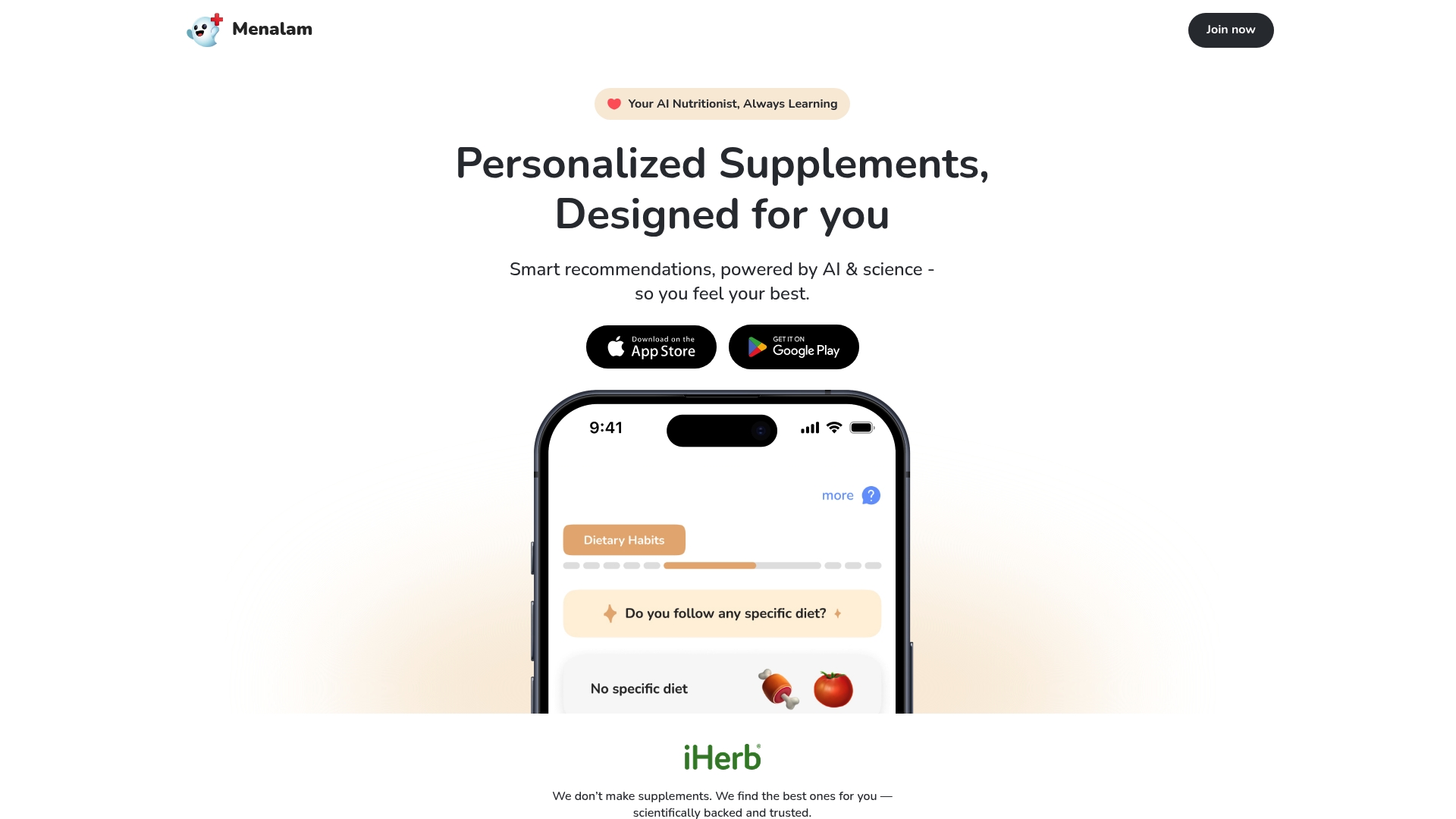
Experience Menalam, your digital nutritionist powered by cutting-edge artificial intelligence. In just a few minutes, our personalized health quiz transforms your unique profile into an actionable, science-based supplement plan. Go beyond trends and actually track your supplement intake with our powerful mobile app, complete with reminders and integration of your blood test results for ongoing optimization. Take control of your immune health now and join a new era of truly personalized wellness. Start your transformation today at Menalam and make each day a step toward stronger immunity.
Leave a Reply