

Wondering if you should swallow your vitamins first thing in the morning or wait until breakfast is ready? It turns out, timing and what you eat with your supplements really matter. Here’s something wild. Vitamin D absorption can shoot up by as much as 50 percent when you take it with a meal that contains healthy fats. Most people never realize that popping certain vitamins solo could leave your body missing out on their full benefits. Which means the biggest boost for your health may come from what’s on your plate, not what’s in the pill bottle.
Table of Contents
- [Why Take Some Vitamins With Food?](#why-take-some-v
- Which Vitamins Need a Meal?
- [Vitamins You Can Take Anytime](#v
Quick Summary
| Takeaway | Explanation |
|---|---|
| Fat-soluble vitamins require food for absorption | Vitamins A, D, E, and K need dietary fat for effective absorption; taking them with healthy fat-containing meals improves nutrient uptake. |
| Minerals have specific consumption strategies | Iron is best taken on an empty stomach, but if it causes discomfort, it can be taken with a small amount of food. Calcium and magnesium supplements should be consumed with food for optimal absorption. |
| Water-soluble vitamins offer flexibility | Vitamins like B-complex and vitamin C can be taken with or without food, allowing for easier integration into daily routines; spreading intake throughout the day supports consistent nutrient levels. |
| Monitor individual responses to supplements | Everyone’s body reacts differently to supplements; pay attention to how you feel and consult a healthcare professional if digestive issues persist. |
| Supplements complement a balanced diet | Prioritize a varied diet rich in whole foods, using vitamins as a supportive measure to fill nutritional gaps rather than as a replacement for healthy eating. |
Why Take Some Vitamins With Food?
Understanding how to take vitamins effectively can significantly impact their absorption and overall health benefits. Not all vitamins are created equal when it comes to consumption, and the way you take them can make a substantial difference in how your body processes these essential nutrients.
The Science of Vitamin Absorption
Vitamins fall into two primary categories that determine their absorption: water-soluble and fat-soluble vitamins. This fundamental difference plays a crucial role in how and when you should take your supplements. Water-soluble vitamins like B-complex and vitamin C can typically be taken with or without food. However, fat-soluble vitamins (A, D, E, and K) require dietary fat to be properly absorbed by your body.
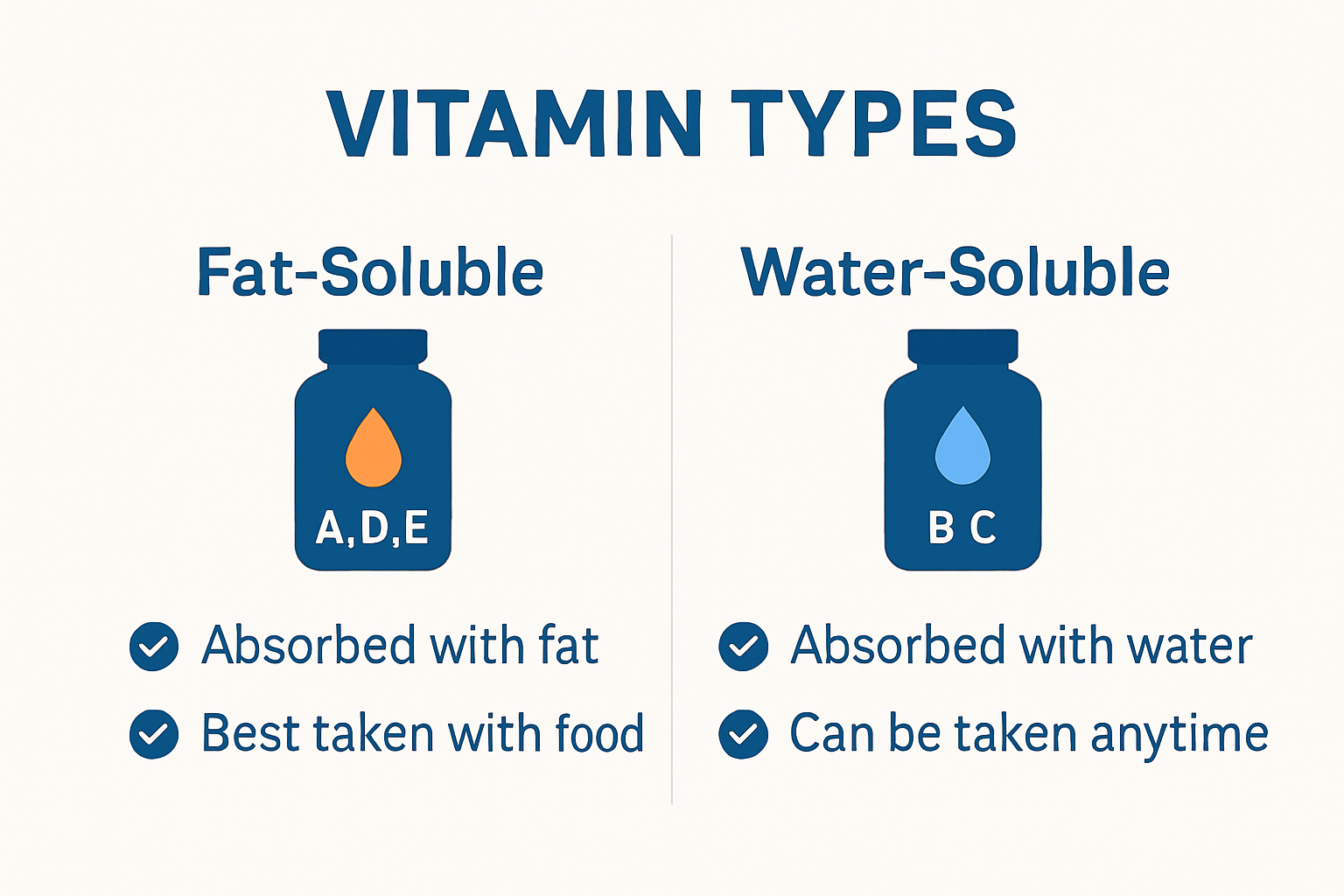
According to Harvard Health Publishing, fat-soluble vitamins need dietary fat to dissolve and be transported through the bloodstream. When you take these vitamins with a meal containing some healthy fats, you dramatically improve their absorption rate. This means your body can utilize more of the nutrients you’re consuming, making your supplement routine more effective.
Potential Side Effects of Taking Vitamins Without Food
Taking certain vitamins on an empty stomach can lead to uncomfortable and potentially harmful side effects. Some supplements, particularly iron and multivitamins, can cause significant digestive issues when consumed without food. These may include:
- Nausea and stomach upset
- Increased likelihood of acid reflux
- Potential stomach lining irritation
- Reduced nutrient absorption
Research from the National Institutes of Health suggests that many individuals experience digestive discomfort when taking vitamins without proper food intake. The presence of food helps buffer the supplement, making it easier for your digestive system to process.
Strategic Vitamin Consumption
To maximize the benefits of your vitamin regimen, consider these strategic approaches. Vitamin D and vitamin K are particularly beneficial when taken with a meal containing healthy fats like avocado, nuts, or olive oil. Multivitamins often work best when consumed with breakfast or lunch, providing a steady release of nutrients throughout the day.
Some vitamins have specific recommendations. For instance, calcium supplements are best absorbed when taken in smaller doses spread throughout the day, ideally with meals. Iron supplements work most effectively when taken on an empty stomach, but if you experience digestive issues, pairing them with a small amount of food can help mitigate discomfort.
Ultimately, the key is understanding your body’s unique response to different supplements. While general guidelines exist, individual experiences can vary. Consulting with a healthcare professional can provide personalized advice tailored to your specific nutritional needs and health goals.
Which Vitamins Need a Meal?
Understanding which supplements require food for optimal absorption can help you maximize their effectiveness and minimize potential digestive discomfort. There are specific vitamins that significantly benefit from being taken with a meal.
Fat-soluble vitamins are the primary candidates that strongly benefit from being taken with food. This category includes vitamins A, D, E, and K, which require dietary fat to be properly absorbed and utilized by your body. According to Cleveland Clinic, these vitamins dissolve in fat and are stored in body tissues, making their absorption significantly more efficient when consumed with a meal.
For instance, vitamin D absorption can increase by up to 50% when taken with a meal containing healthy fats. Research from the National Institutes of Health suggests pairing vitamin D supplements with foods like avocados, nuts, or olive oil to enhance nutrient uptake. Similarly, vitamin E and vitamin K work best when consumed alongside foods with some fat content, helping your body effectively process and store these essential nutrients.
Minerals and Trace Elements: Food as a Digestive Buffer
Certain minerals require strategic consumption to optimize absorption and minimize potential side effects. Iron supplements, for example, can be tricky. While they are traditionally recommended to be taken on an empty stomach for maximum absorption, many people experience significant digestive discomfort. The American Society of Hematology recommends taking iron with a small amount of food if stomach upset occurs, balancing absorption efficiency with digestive comfort.
Calcium and magnesium are other minerals that benefit from food consumption. Calcium absorption can be hindered by certain foods like spinach and whole grains, so timing your supplement with a varied meal can help optimize nutrient uptake. Magnesium, particularly when taken in higher doses, may cause digestive issues and is often better tolerated when consumed with food.
Specific Supplement Strategies
Multivitamins typically contain a combination of water-soluble and fat-soluble vitamins, making them ideal candidates for mealtime consumption. Thorne Research recommends taking multivitamins with a full meal to enhance absorption and reduce the likelihood of stomach upset.
B-complex vitamins, while water-soluble, can also benefit from food consumption. Although they can be taken without food, consuming them with a meal can help prevent potential nausea and improve overall tolerance. Vitamin B12, in particular, is more effectively absorbed when taken with food that contains intrinsic factor, a protein produced in the stomach that aids absorption.
Each individual’s body responds differently to supplements, so pay attention to how you feel when taking vitamins. If you experience persistent digestive issues, consider adjusting your supplement timing or consulting a healthcare professional who can provide personalized guidance tailored to your specific nutritional needs and health goals.
Vitamins You Can Take Anytime
While some vitamins require strategic timing and food consumption, several supplements offer flexibility in their intake. Understanding which vitamins can be taken anytime helps simplify your supplement routine and ensures consistent nutrient intake.
Water-Soluble Vitamins: Flexible Nutrition
Water-soluble vitamins are the most adaptable supplements in your nutritional arsenal. These vitamins dissolve in water and do not require dietary fat for absorption, making them convenient to take at various times throughout the day. According to Healthline, vitamins like vitamin C and most B-complex vitamins can be consumed with or without food, providing significant nutritional benefits regardless of mealtime.
Vitamin C, a powerful antioxidant, can be taken at any point during the day. [WebMD](https://www.webmd.com/v
and-supplements/ss/slideshow-best-ways-to-take-different-vitamins) recommends spreading your vitamin C intake throughout the day, as the body does not store excess amounts. This approach helps maintain consistent vitamin levels and supports immune function.
Specific Supplement Considerations
Some water-soluble vitamins have unique characteristics that impact their consumption. Vitamin B12, while generally flexible, has nuanced absorption considerations. Research from the National Institutes of Health suggests that individuals over 50 or those with absorption challenges might benefit from supplemental B12, which can be taken with or without food.
Calcium supplements also offer consumption flexibility, depending on the type. Cleveland Clinic notes that calcium citrate can be taken with or without food, as it does not require stomach acid for absorption. This makes it an excellent option for individuals with varying dietary schedules or those with digestive sensitivities.
Timing Strategies for Optimal Absorption
Although these vitamins offer flexibility, individual responses can vary. Pay attention to how your body reacts and consult a healthcare professional if you experience any unusual symptoms. Some people might have unique metabolic considerations that could impact vitamin absorption and tolerance.
Remember that supplements are meant to complement a balanced diet, not replace nutritious whole foods. Prioritize a varied diet rich in fruits, vegetables, whole grains, and lean proteins to support your overall nutritional needs. Vitamins should be viewed as a supportive measure to fill potential nutritional gaps, not as a standalone solution for optimal health.
Frequently Asked Questions
Should I take vitamins with food?
Taking vitamins with food is often recommended, especially for fat-soluble vitamins A, D, E, and K, which require dietary fat for optimal absorption. This can significantly enhance the effectiveness of these supplements.
What are the side effects of taking vitamins on an empty stomach?
Taking vitamins, particularly iron and multivitamins, without food can lead to nausea, stomach upset, acid reflux, and digestive discomfort. Food helps buffer these supplements and aids in their absorption.
Which vitamins can I take without food?
Water-soluble vitamins like B-complex and vitamin C can typically be taken with or without food. They offer flexibility and do not require dietary fat for absorption, making them easier to integrate into your daily routine.
Are there any specific vitamins that should always be taken with meals?
Yes, fat-soluble vitamins (A, D, E, and K) should be taken with meals containing healthy fats for optimal absorption. Additionally, minerals like calcium and magnesium are often better absorbed with food.
Unlock Your Optimal Health with Menalam
Feeling unsure about how to take your vitamins for maximum benefit? You’re not alone. Many individuals face the challenge of ensuring they get the most out of their supplements, especially when it comes to the timing and food needed for optimal absorption. Did you know that taking vitamins A, D, E, and K without accompanying foods can significantly hinder their effectiveness? That’s a common pain point highlighted in our recent article, “Should You Take Vitamins Without Food? Expert Tips Inside.”
With Menalam, you don’t have to navigate this journey alone! Our AI-driven platform provides personalized supplement recommendations tailored to your unique health profile and dietary preferences. Imagine having your very own digital nutritionist, ready to guide you on when and how to take your vitamins for the best results.
🔹 Custom Plans: Get a tailored supplement strategy based on science.
🔹 App Tracking: Stay consistent with smart reminders for your supplement intake.
🔹 Blood Test Integration: Adjust your health plan according to your evolving needs.
Don’t let confusion hold you back from achieving your health goals! Start your journey today at Menalam and experience how personalized nutrition can transform your health like never before. Sign up now and take the first step towards a brighter, healthier you!
Leave a Reply