
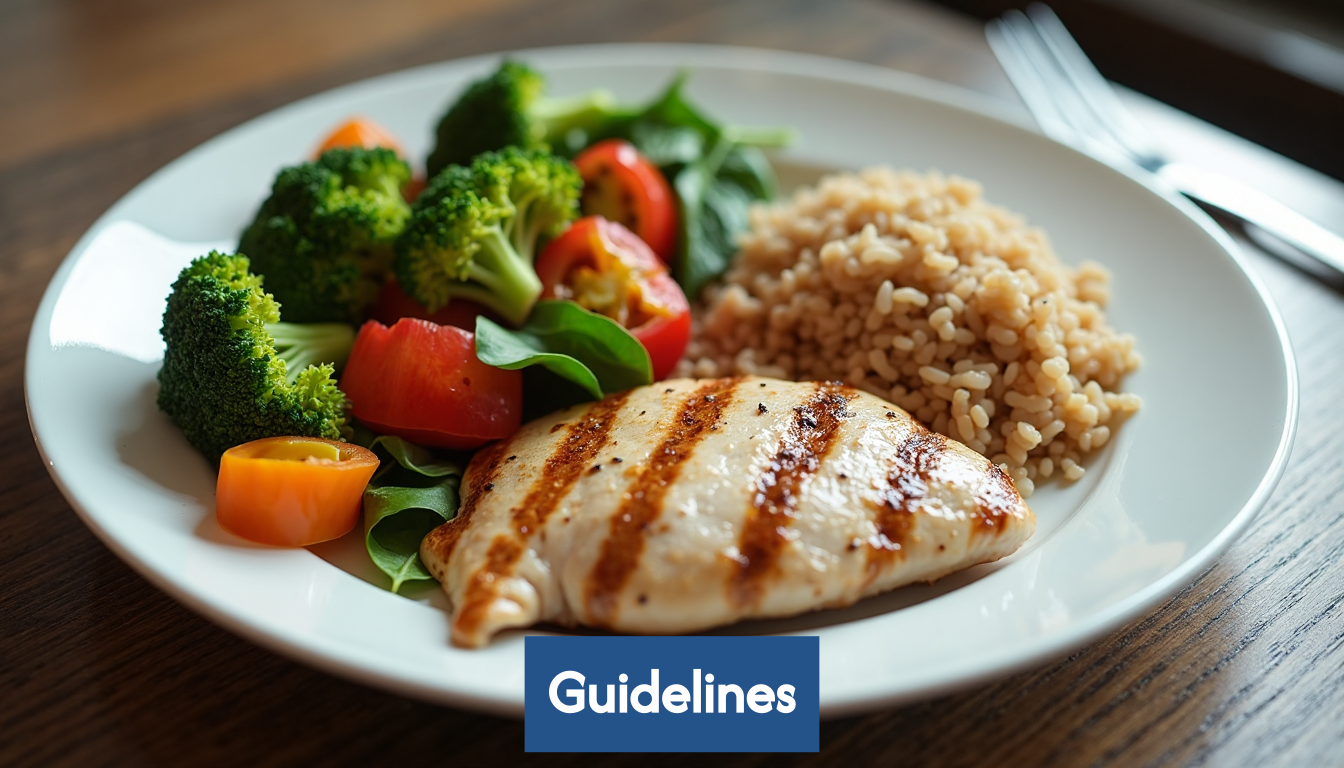
Nutrition plays a vital role in our overall health. The 2025 Dietary Guidelines for Americans serve as a framework to guide our eating habits. But here’s the twist: these guidelines are not just about what to eat; they emphasize how to create a sustainable eating style. This means you can enjoy your food while still prioritizing your health.
Table of Contents
- Understand The Dietary Guidelines Process
- Key Recommendations For Daily Eating
- Building Your Healthy Eating Style
- Tips For Making Food Choices
Quick Summary
| Takeaway | Explanation |
|---|---|
| Balanced Dietary Patterns | Focus on developing a dietary pattern that emphasizes variety, nutrient density, and moderation by prioritizing whole foods and maintaining appropriate portion sizes. |
| Increased Plant-Based Foods | It is recommended to increase consumption of plant-based foods, fill half your plate with fruits and vegetables, and choose whole grains over refined options. |
| Limit Harmful Components | Aim to reduce intake of added sugars, saturated fats, and sodium by minimizing processed foods and opting for lean, nutrient-dense alternatives. |
| Personalization in Eating | Understand that a healthy eating style should be personalized, allowing flexibility to accommodate individual health goals, cultural preferences, and budget constraints. |
| Sustainable Dietary Choices | Emphasize gradual modifications and enjoyment in food choices to create a sustainable approach to nutrition that supports long-term health and well-being. |
Understand the Dietary Guidelines Process
The Dietary Guidelines for Americans represent a critical public health roadmap that shapes nutrition policy and guidance across the United States. Understanding the intricate process behind these guidelines reveals the comprehensive scientific and collaborative approach used to develop authoritative nutritional recommendations.
The Five-Year Update Cycle
Nutritional guidelines are not static documents but dynamic resources that evolve with scientific understanding. The U.S. Departments of Agriculture (USDA) and Health and Human Services (HHS) have established a systematic five-year update cycle to ensure the guidelines remain current and scientifically rigorous. This deliberate approach allows researchers to incorporate the latest nutritional science, emerging health trends, and evolving dietary research.
The update process is meticulously structured to maintain transparency and scientific integrity. Key steps include:
- Initial Scientific Review: Expert panels comprehensively examine the most recent nutrition research
- Public Input Phases: Opportunities for stakeholders to provide feedback and insights
- Interdepartmental Collaboration: Involvement of multiple federal agencies including NIH, FDA, and CDC
The Advisory Committee’s Critical Role
At the heart of the dietary guidelines development is the Dietary Guidelines Advisory Committee. This group of independent nutrition and health experts plays a pivotal role in translating complex scientific evidence into actionable dietary recommendations. Selected through a rigorous nomination and review process, committee members represent diverse scientific backgrounds and expertise.
The committee’s responsibilities include:
- Conducting systematic reviews of current nutrition research
- Identifying key dietary and health trends
- Developing preliminary recommendations based on scientific evidence
- Presenting comprehensive reports to USDA and HHS leadership
Final Approval and Implementation
The final stages of the nutritional guidelines process involve critical governmental oversight. After the advisory committee submits its comprehensive report, the process requires signoff by the Secretaries of USDA and HHS. This ensures that the guidelines meet the highest standards of scientific validity and public health relevance.
Recent developments indicate ongoing efforts to enhance the process’s transparency and minimize potential conflicts of interest. The agencies are committed to continually refining the guidelines development methodology to provide the most accurate and helpful nutritional guidance possible.
Understanding this intricate process highlights the scientific rigor and collaborative approach behind the Dietary Guidelines for Americans. It’s not just a document, but a carefully crafted public health tool designed to support the nutritional well-being of millions of Americans.
Key Recommendations for Daily Eating
Navigating daily nutrition requires understanding core dietary principles that promote overall health and well-being. The nutritional guidelines provide a comprehensive framework for making informed food choices that support long-term health and prevent chronic diseases.
Balanced Dietary Patterns
The cornerstone of healthy eating is developing a balanced dietary pattern that emphasizes variety, nutrient density, and moderation. The 2025-2030 Dietary Guidelines focus on holistic nutritional approaches rather than isolated nutrient recommendations. This means looking at your overall diet composition instead of fixating on individual foods or nutrients.
Key elements of a balanced diet include:
- Whole Foods Prioritization: Emphasizing minimally processed foods
- Nutrient Diversity: Consuming a wide range of food groups
- Portion Control: Understanding appropriate serving sizes
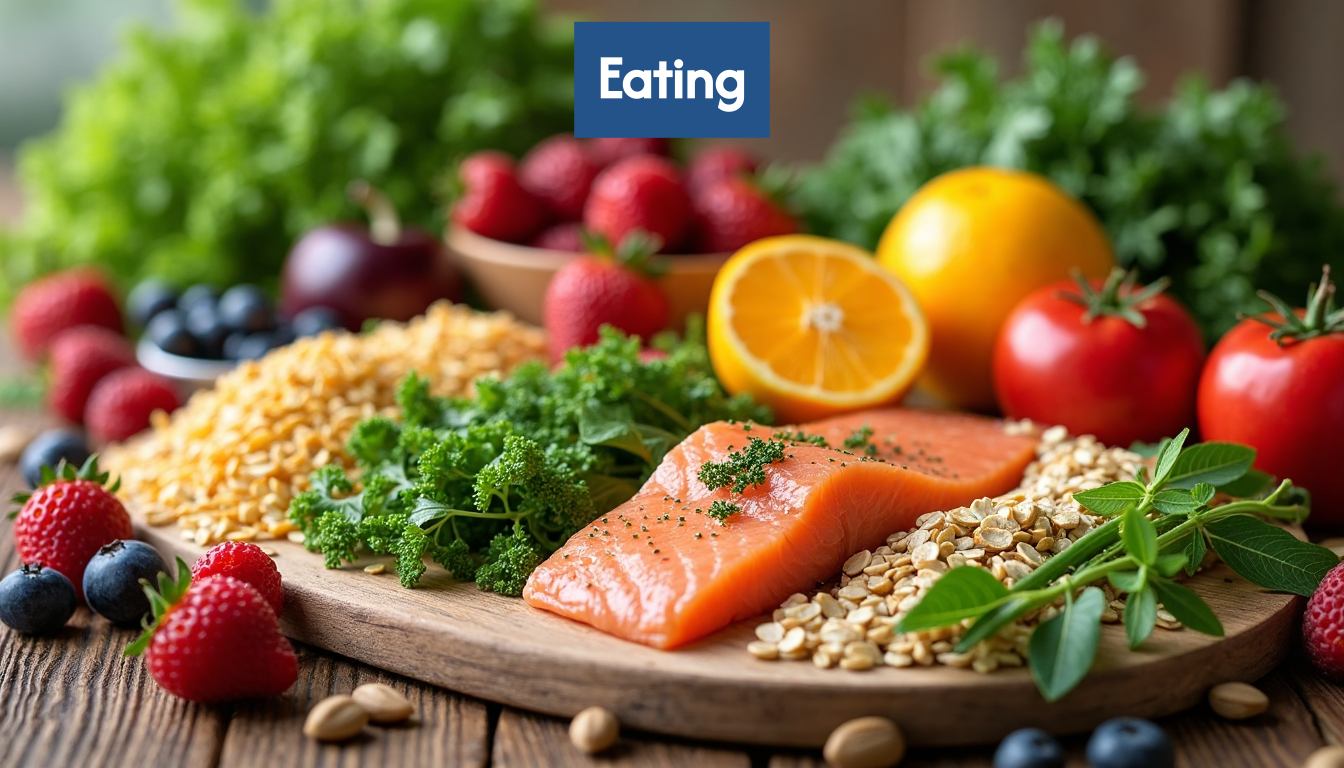
Recommended Food Groups and Proportions
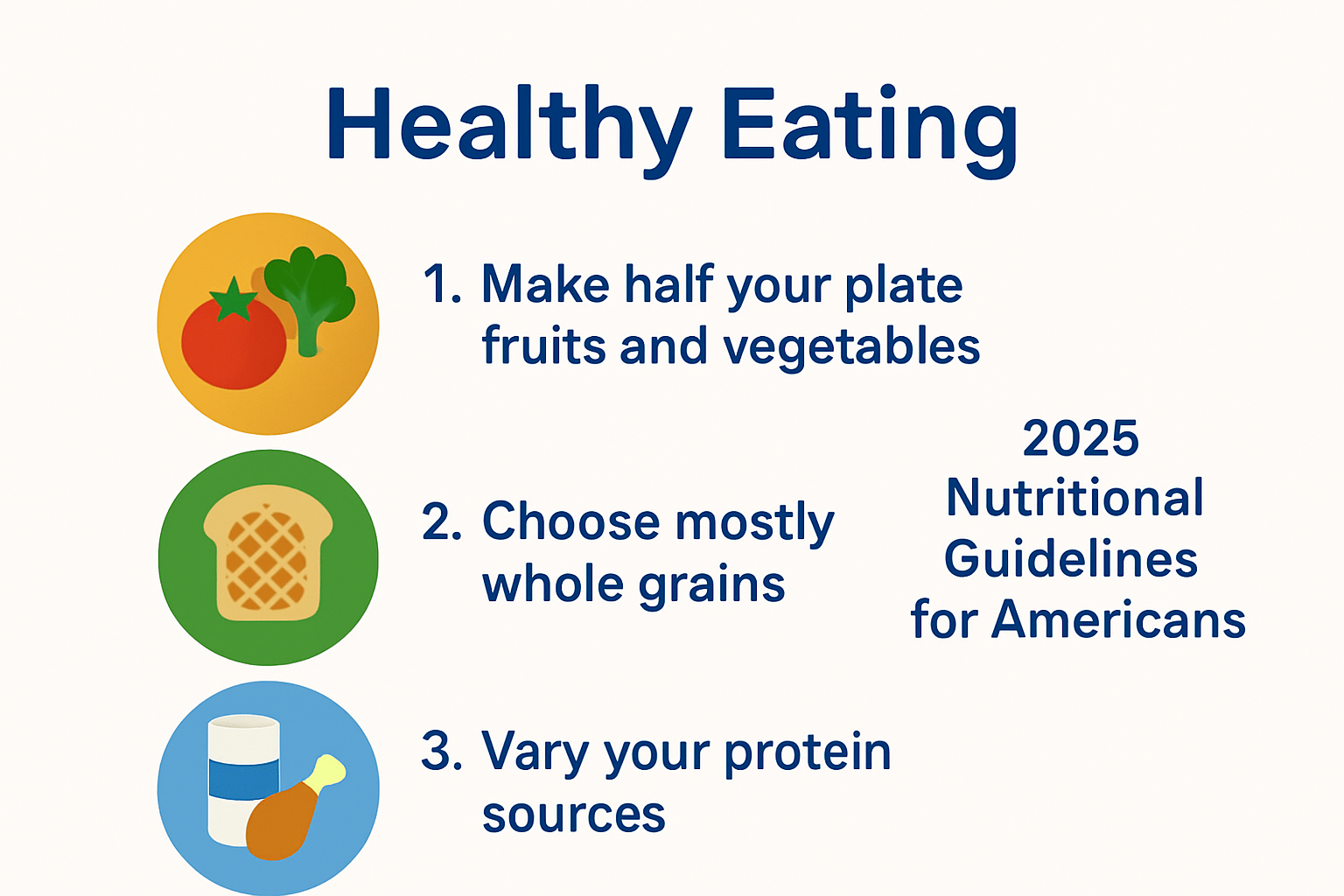
The latest dietary guidelines strongly recommend increasing consumption of plant-based foods while reducing intake of processed and red meats. Specific recommendations include:
- Vegetables and Fruits: Fill half your plate with colorful, nutrient-rich produce
- Whole Grains: Choose complex carbohydrates over refined options
- Protein Sources: Prioritize lean proteins, legumes, fish, and plant-based alternatives
- Dairy or Alternatives: Select low-fat or fortified plant-based options
Limiting Harmful Nutritional Components
Equally important to what you eat is understanding what to minimize in your diet. Dietary experts consistently recommend reducing intake of added sugars, saturated fats, and sodium.
Specific guidelines for limitation include:
- Reducing sugar-sweetened beverages
- Minimizing processed meat consumption
- Limiting saturated fat intake
- Controlling sodium consumption
Implementing these nutritional guidelines requires thoughtful planning and gradual dietary modifications. Remember that sustainable dietary changes occur through consistent, incremental improvements rather than drastic overnight transformations. Your approach to nutrition should be personalized, flexible, and aligned with your individual health goals and lifestyle requirements.
Building Your Healthy Eating Style
Creating a sustainable and personalized healthy eating style goes beyond following rigid dietary rules. It’s about developing a flexible, enjoyable approach to nutrition that supports your individual health goals, cultural preferences, and lifestyle needs.
Personalization and Flexibility
The Dietary Guidelines emphasize a personalized approach that allows individuals to create a healthy eating pattern tailored to their unique requirements. This means understanding that there’s no one-size-fits-all solution to nutrition. Your healthy eating style should be adaptable, considering factors like:
- Personal health goals
- Cultural food traditions
- Budget constraints
- Lifestyle and activity level
- Individual taste preferences
Strategic Food Choices and Composition
Building a healthy eating style involves making intentional choices that prioritize nutrient-dense foods while maintaining dietary diversity. Key strategies include:
- Vegetable and Fruit Maximization: Aim to fill half your plate with colorful, varied produce
- Whole Grain Integration: Replace refined grains with whole grain alternatives
- Protein Diversity: Incorporate plant-based proteins like beans, nuts, and legumes
- Mindful Fat Selection: Choose healthy fats from sources like nuts, seeds, and olive oil
Long-Term Sustainability
The most effective healthy eating style is one you can maintain consistently. This requires:
- Gradual Modifications: Implement dietary changes incrementally
- Enjoyment and Satisfaction: Choose foods you genuinely like
- Balanced Approach: Allow occasional treats without guilt
- Continuous Learning: Stay informed about nutrition and adjust your approach
Remember, a healthy eating style is not about perfection but about making consistently good choices that support your overall well-being. It’s a journey of understanding your body’s needs, respecting your personal preferences, and creating a sustainable approach to nutrition that enhances your quality of life.
Tips for Making Food Choices
Making informed food choices is a critical skill that empowers individuals to support their health and well-being. Understanding how to navigate food selections can transform your approach to nutrition and help you make smarter, more intentional dietary decisions.
Plate Composition Strategies
The Dietary Guidelines recommend focusing on nutrient-dense foods that provide maximum nutritional value with minimal processed ingredients. Effective plate composition involves strategic planning and thoughtful selection:
- Vegetable Variety: Fill half your plate with colorful, diverse vegetables
- Whole Grain Emphasis: Ensure at least half your grain intake comes from whole grain sources
- Protein Diversity: Incorporate multiple protein sources like seafood, lean meats, legumes, and plant-based alternatives
- Smart Dairy Choices: Select fat-free or low-fat dairy products or nutritionally equivalent alternatives
Mindful Selection and Limitation
Nutritional experts recommend carefully limiting foods high in added sugars, saturated fats, and sodium. Practical tips for making healthier food choices include:
- Read nutrition labels carefully
- Choose whole foods over processed alternatives
- Reduce consumption of sugar-sweetened beverages
- Minimize intake of red and processed meats
- Select lean protein sources
- Opt for unsalted nuts and seeds
Personalization and Cultural Considerations
The 2025 Dietary Guidelines emphasize that food choices should reflect individual preferences, cultural traditions, and budgetary constraints. This means your approach to nutrition should be:
- Flexible and adaptable
- Respectful of personal and cultural food traditions
- Aligned with your economic realities
- Sustainable for long-term health
Making informed food choices is not about strict restrictions but creating a balanced, enjoyable approach to nutrition. By understanding how different foods impact your health and learning to make intentional selections, you can develop a positive relationship with food that supports your overall well-being. Remember, small, consistent changes often lead to the most significant and lasting nutritional improvements.
Frequently Asked Questions
What are the 2025 Dietary Guidelines for Americans?
The 2025 Dietary Guidelines for Americans provide a framework for healthy eating, emphasizing balanced dietary patterns, increased plant-based foods, and the importance of personalizing diets to individual health needs and preferences.
How often are the Dietary Guidelines updated?
The Dietary Guidelines for Americans are updated every five years to reflect the latest scientific research and trends in nutrition and health.
What is meant by a balanced dietary pattern?
A balanced dietary pattern focuses on variety, nutrient density, and moderation, prioritizing whole foods, fruits, vegetables, whole grains, and lean proteins while controlling portions.
How can I make healthier food choices according to the guidelines?
To make healthier food choices, focus on filling half your plate with fruits and vegetables, choose whole grains, limit added sugars and saturated fats, and personalize your diet to fit cultural and budgetary needs.
Transform Your Nutrition Journey with Menalam
Navigating the 2025 Nutritional Guidelines for Americans can feel overwhelming. The emphasis on balanced dietary patterns and personalizing your nutrition can leave you wondering where to start. Whether you’re struggling with limiting harmful components or finding it challenging to integrate more plant-based foods into your diet, you’ve likely encountered the common dilemma of aligning your eating habits with what’s best for your health.
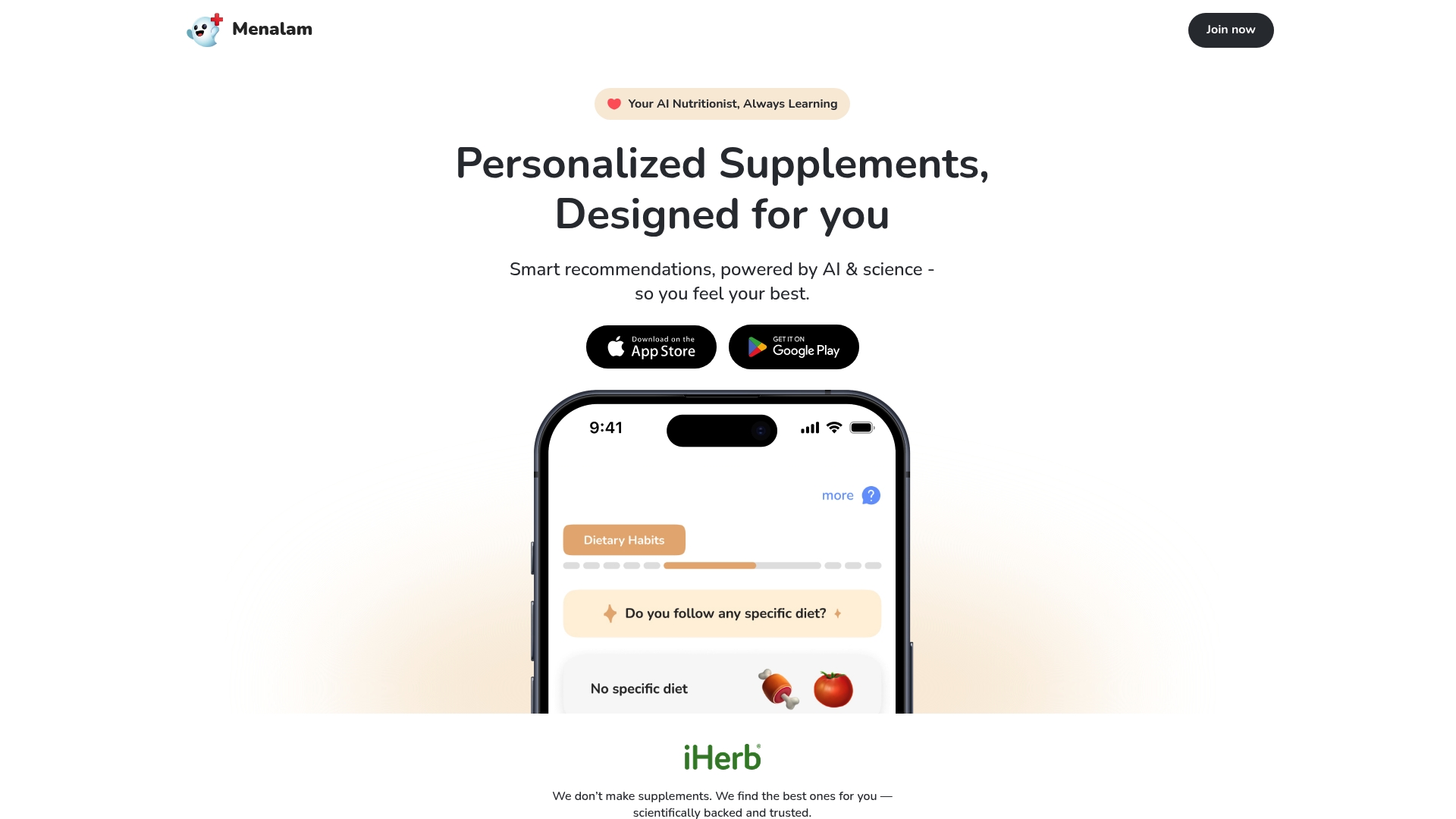
With Menalam, you’re not alone in this journey! Our innovative platform acts as your digital nutritionist, guiding you through personalized supplement recommendations that perfectly align with your dietary goals and lifestyle. Complete a quick health quiz to discover the vitamins and supplements tailored to your unique profile. Not only can you track your supplement intake and monitor health progress through our mobile app, but you can also easily adjust your plan based on your evolving needs—because personalization is key! Don’t just follow guidelines; embrace a nutrition approach that works for YOU.
Ready to revolutionize your approach to health? Visit https://menalam.com now and start your journey towards sustainable nutrition today!
Leave a Reply