

Nutrition is often viewed as a fundamental component of fitness and well-being. Studies show that athletes can improve their performance by as much as 20 percent simply by optimizing their nutritional strategies. But here’s the surprising part: What you eat is only half the battle. Many people believe that simply counting calories will guarantee success. In reality, the timing of those nutrients, along with personalized strategies, can be game-changers. Discover how the right dietary choices can elevate your fitness journey like never before.
Table of Contents
- Fueling Performance Through Nutrition
- Nutrition’s Role In Workout Recovery
- Food Choices For Optimal Fitness
- Balancing Macronutrients For Fitness Goals
Quick Summary
| Takeaway | Explanation |
|---|---|
| Strategic Nutrient Timing | PLANNING nutrient intake before, during, and after exercise enhances energy levels and recovery rates, essential for optimal athletic performance. |
| Personalized Nutrition Strategies | Individual differences in metabolism, training intensity, and goals necessitate tailored nutritional approaches for effective performance and recovery. |
| Nutritional Deficiencies Impact Performance | Adequate micronutrients and hydration are critical, as deficiencies can lead to increased injury risks and impaired performance. |
| Macronutrient Balance Is Key | An effective macronutrient allocation, considering individual goals and metabolic rates, actively influences body composition and overall fitness outcomes. |
| Recovery Nutrition Matters | Consuming protein and carbohydrates within 30-45 minutes post-exercise significantly supports muscle recovery and reduces fatigue. |
Fueling Performance Through Nutrition
Nutrition serves as the fundamental cornerstone for athletic performance, transforming how athletes approach their training and recovery. The impact of nutrition on fitness extends far beyond simple calorie consumption, representing a complex interplay between dietary intake, metabolic processes, and physiological adaptation.
Strategic Nutrient Timing and Composition
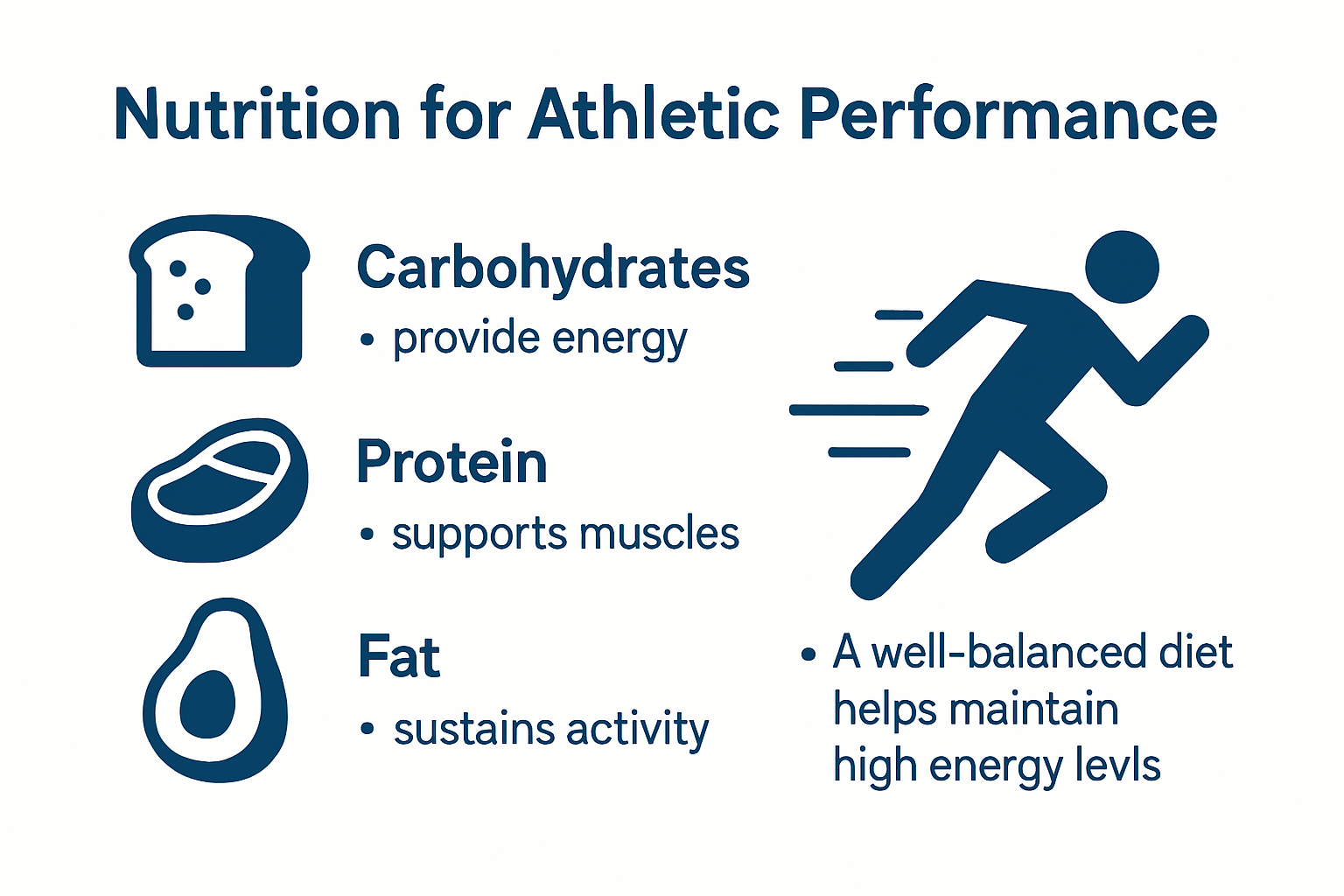
The human body requires precise nutritional strategies to optimize performance and prevent potential setbacks. Research from the Sports Nutrition Journal reveals that athletes who strategically plan their nutrient intake experience significant improvements in energy levels and recovery rates. Proper nutrient timing involves consuming specific macronutrient combinations before, during, and after physical activity.
Understanding macronutrient balance is critical. Protein supports muscle repair and growth, carbohydrates provide immediate energy, and healthy fats contribute to sustained performance. An athlete’s diet should balance these components based on individual training demands and metabolic needs.
Preventing Performance-Limiting Nutritional Deficiencies
Nutritional gaps can dramatically impair athletic performance. Research highlighted by Science Daily demonstrated that female runners consuming 450 fewer calories and 20 grams less fat per day experienced significantly higher injury risks. Additionally, low-fiber diets increased bone stress injury likelihood by approximately three grams less daily fiber intake.
Key nutritional considerations include:
- Micronutrient optimization: Ensuring adequate vitamin and mineral intake
- Hydration management: Maintaining electrolyte balance and fluid levels
- Inflammation reduction: Consuming anti-inflammatory foods to support recovery
Personalized Nutrition Approaches
No universal nutritional blueprint exists for all athletes. Individual metabolic variations, training intensities, and physiological differences necessitate personalized nutrition strategies. Sports Nutrition Experts recommend comprehensive assessments including metabolic testing, body composition analysis, and detailed dietary tracking.
Effective personalization involves understanding an athlete’s unique metabolic profile, considering factors like:
- Resting metabolic rate
- Training volume and intensity
- Specific sport or performance goals
- Individual genetic predispositions
Professional athletes and dedicated fitness enthusiasts increasingly recognize nutrition as a critical performance lever. By approaching dietary intake with scientific precision and individualized strategies, athletes can unlock unprecedented levels of performance, resilience, and long-term health.
The impact of nutrition on fitness transcends simple calorie counting, representing a sophisticated approach to fueling human potential through targeted, evidence-based dietary interventions.
Nutrition’s Role in Workout Recovery
Workout recovery represents a critical phase where the body repairs, adapts, and prepares for future physical challenges. Nutrition plays a pivotal role in transforming this recovery process from a passive biological function into an active performance enhancement strategy.
Timing and Nutrient Composition for Optimal Recovery
The window immediately following exercise is metabolically crucial for recovery. Research from the Frontiers in Nutrition Journal demonstrates that immediate post-exercise supplementation with protein and carbohydrates significantly accelerates muscle recovery and reduces fatigue.
Protein intake supports muscle tissue repair, while carbohydrates replenish glycogen stores depleted during intense physical activity. The optimal recovery nutrition strategy involves consuming a balanced combination of these macronutrients within 30-45 minutes after exercise. This targeted approach helps minimize muscle breakdown and jumpstart the body’s regenerative processes.
Metabolic Restoration and Inflammation Management
Beyond immediate nutrient replenishment, recovery nutrition addresses broader physiological needs. Nutritional Research indicates that strategic nutrition supports fluid balance, minimizes muscle damage, and facilitates metabolic adaptation.
Key recovery nutrition components include:
- Anti-inflammatory foods: Reducing exercise-induced cellular stress
- Electrolyte replacement: Maintaining cellular hydration and function
- Micronutrient-rich sources: Supporting cellular repair mechanisms
Specific nutrients like omega-3 fatty acids, antioxidants, and high-quality proteins play critical roles in reducing inflammation and supporting tissue regeneration. Individuals engaged in high-intensity training may require more targeted nutritional interventions to manage oxidative stress and support comprehensive recovery.
Personalized Recovery Nutrition Strategies
Recovery nutrition is not a one-size-fits-all approach. Metabolic Research Studies emphasize the importance of individualized nutrition strategies that account for exercise type, intensity, personal metabolic rate, and specific fitness goals.
Effective recovery nutrition requires understanding individual physiological responses, including:
- Metabolic rate variations
- Training intensity and duration
- Personal fitness objectives
- Potential nutritional sensitivities
Athletes and fitness enthusiasts can optimize their recovery by working with nutrition professionals who can design personalized nutrition protocols. These tailored approaches consider individual metabolic profiles, ensuring that nutritional interventions precisely match physiological needs.
The science of nutrition’s role in workout recovery continues to evolve, revealing increasingly sophisticated methods of supporting the body’s natural regenerative processes. By treating recovery nutrition as a strategic intervention rather than a passive afterthought, individuals can significantly enhance their overall performance, reduce injury risks, and accelerate fitness progression.
Food Choices for Optimal Fitness
Making strategic food choices is fundamental to achieving optimal fitness and supporting long-term athletic performance. The relationship between nutrition and physical capability extends far beyond simple calorie consumption, representing a nuanced approach to fueling the body for maximum potential.
Nutrient Density and Performance Optimization
Global Wellness Institute research highlights a significant shift toward nutrient-dense food selections that support both immediate performance and long-term health. Athletes and fitness enthusiasts must prioritize foods that deliver comprehensive nutritional benefits, focusing on quality over quantity.
Whole foods provide a complex nutritional profile that processed alternatives cannot match. Key considerations include:
- Lean proteins: Supporting muscle repair and growth
- Complex carbohydrates: Providing sustained energy
- Healthy fats: Promoting hormonal balance and cellular function
Understanding the nutritional composition of foods becomes crucial in developing a strategic dietary approach that supports fitness goals and overall metabolic health.
Strategic Nutrient Timing and Composition
Nutrition experts emphasize the critical role of nutrient timing in maximizing athletic performance. The strategic intake of macronutrients before, during, and after training can significantly impact energy levels, recovery, and overall fitness outcomes.
Effective food choices involve more than just selecting nutritious ingredients. Athletes must consider:
- Meal composition relative to training intensity
- Individual metabolic response to different food groups
- Specific performance and recovery needs
High-protein and high-fiber foods play a central role in managing weight, supporting muscle development, and maintaining satiety for individuals with active lifestyles.
Personalized Nutritional Approaches
Advanced nutritional research increasingly supports personalized nutrition strategies that go beyond generic dietary recommendations. The one-size-fits-all approach is rapidly becoming obsolete, replaced by tailored nutritional interventions that consider individual physiological needs.
Personalization involves comprehensive assessment of:
- Metabolic profile
- Genetic predispositions
- Specific fitness objectives
- Individual health markers
By embracing a more sophisticated approach to food selection, individuals can transform nutrition from a basic survival mechanism to a powerful performance enhancement tool. The future of fitness nutrition lies in understanding the unique biochemical interactions between food and individual human physiology.
Ultimately, optimal food choices represent a sophisticated blend of scientific understanding, personal awareness, and strategic nutritional planning. Successful athletes recognize that nutrition is not just about what they eat, but how those nutritional choices interact with their specific physiological systems to drive peak performance.
Balancing Macronutrients for Fitness Goals
Macronutrient balance represents a sophisticated nutritional strategy that directly influences body composition, performance, and overall fitness outcomes. Understanding how proteins, carbohydrates, and fats interact within individual metabolic systems is crucial for achieving targeted fitness objectives.
Precision in Macronutrient Allocation
Nutritional Research from the National Institutes of Health demonstrates that macronutrient intake profoundly impacts energy balance, metabolic health, and physiological adaptation. Each macronutrient serves unique physiological functions that extend beyond basic caloric considerations.
Protein supports muscle repair and growth, carbohydrates provide energy for intense activities, and healthy fats contribute to hormonal regulation and cellular function. The optimal macronutrient ratio varies based on individual fitness goals, including muscle gain, fat loss, or performance enhancement.
Key considerations for macronutrient allocation include:
- Individual metabolic rate
- Training intensity and frequency
- Specific performance objectives
- Current body composition
Strategic Timing and Metabolic Optimization
Fitness Nutrition Experts emphasize that macronutrient balance extends beyond total daily intake. Strategic nutrient timing plays a critical role in maximizing metabolic efficiency and supporting fitness progression.
Effective macronutrient strategies involve:
- Pre-workout carbohydrate intake for energy
- Protein consumption around training sessions for muscle support
- Fat intake to support hormonal balance and sustained energy
Athletes and fitness enthusiasts can optimize performance by aligning macronutrient intake with specific training phases and metabolic demands.
Personalized Macronutrient Approach
Sports Nutrition Research highlights the importance of individualized macronutrient strategies. The one-size-fits-all approach is increasingly recognized as ineffective, with personalized nutritional interventions delivering superior results.
Successful macronutrient optimization requires:
- Comprehensive metabolic assessment
- Regular performance tracking
- Adaptive nutritional planning
- Understanding individual physiological responses
The complex interaction between macronutrients and individual metabolism means that what works for one person may not be optimal for another. PROFESSIONAL guidance from nutritionists and sports dietitians can help develop precise macronutrient strategies tailored to specific fitness goals.
Ultimately, balancing macronutrients is both a science and an art. It demands continuous learning, self-awareness, and a willingness to adapt nutritional approaches based on ongoing physiological feedback and performance outcomes. By treating macronutrient balance as a dynamic, personalized process, individuals can unlock their TRUE fitness potential and achieve remarkable performance transformations.
Frequently Asked Questions
What is the role of nutrition in fitness performance?
Nutrition serves as a foundational element for enhancing athletic performance, influencing energy levels and recovery. Strategic nutrient timing and personalized nutrition approaches can significantly improve performance outcomes.
How can I prevent nutritional deficiencies that impact my performance?
To prevent nutritional deficiencies, focus on a balanced diet rich in vitamins and minerals. Prioritize whole foods, maintain hydration, and consider consulting a nutrition professional to tailor your dietary plan to your individual needs.
What are the best foods for optimal workout recovery?
The best foods for optimal workout recovery include protein sources like lean meats, dairy, or legumes, combined with carbohydrates such as whole grains or fruits. Consuming these within 30-45 minutes post-exercise can enhance muscle repair and reduce fatigue.
How do I create a personalized nutrition plan for my fitness goals?
Creating a personalized nutrition plan involves assessing your metabolic rate, training intensity, and specific fitness objectives. Consulting with a nutrition expert can provide tailored strategies to meet your unique dietary needs.
Transform Your Fitness Journey with Menalam’s Personalized Solutions
Are you struggling to harness the full impact of nutrition on your fitness performance? You’re not alone. Many athletes face the challenge of balancing nutrient timing, preventing deficiencies, and personalizing their diet to meet unique fitness goals. The insights from our article, Impact of Nutrition on Fitness and Well-being 2025, resonate with countless individuals who seek tailored strategies for optimal performance.

Imagine having a personal nutritionist in your pocket, offering you customized supplement recommendations based on your health profile and lifestyle. With Menalam, you can take the guesswork out of nutrition! Our AI-driven platform delivers science-backed supplement plans that adapt as you progress, ensuring you stay on track toward your goals.
Don’t wait—unlock your true fitness potential today. Visit Menalam now to complete a quick health quiz and start your journey toward a healthier, stronger you!
Leave a Reply