
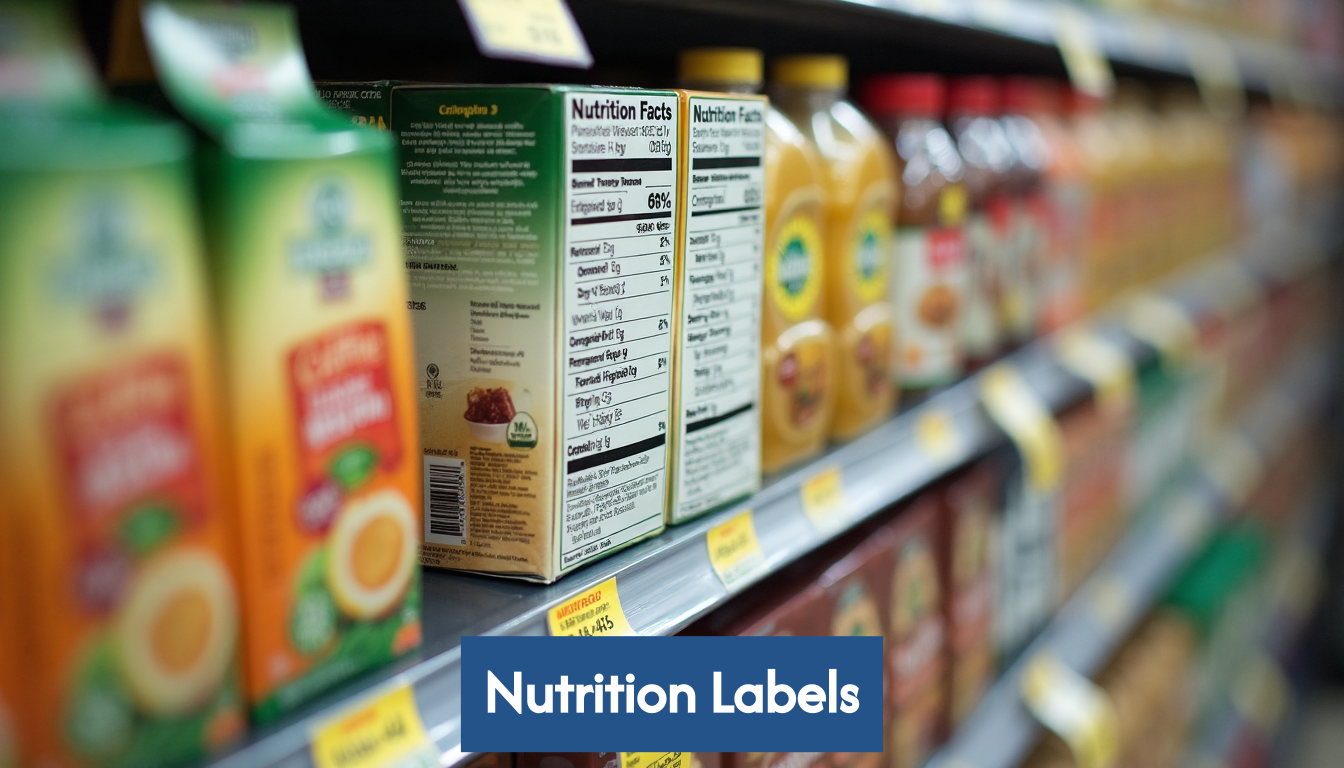
Understanding nutrition labels can feel overwhelming. Yet, these labels hold the key to making better food choices. Did you know that many people underestimate their calorie intake by over 40% when they don’t accurately read serving sizes? But here’s the twist: the information you think is the most important could be misleading. Serving sizes are often much smaller than what the average person consumes, leading to unexpected excesses in calories and nutrients. Just by mastering how to read these labels, you can transform your eating habits and align them with your health goals.
Table of Contents
- How To Use Food Nutrition Labels
- Key Areas Of The Nutrition Facts Label
- Putting Nutrition Label Information To Use
Quick Summary
| Takeaway | Explanation |
|---|---|
| Understand Serving Size | Always start with the serving size, as it determines how the nutritional information applies. Be aware that consuming the entire package means multiplying the nutritional values by the number of servings. |
| Check Calories and Nutrients | Focus on total calories and essential nutrients like fiber, vitamins, and minerals. Use the % Daily Value to assess if a food is high or low in specific nutrients. |
| Compare Products | When choosing products, compare nutrition labels side by side. Look for differences in serving sizes and key nutrients to make healthier choices. |
| Personalize Your Approach | Tailor your use of nutrition labels to your own health goals, whether that’s weight management, muscle building, or blood sugar control. |
| Develop Practical Habits | Create routines for reading labels, such as comparing products or referring to a personal guide, to enhance your understanding and decision-making in nutrition. |
How to Use Food Nutrition Labels
Understanding how to read nutrition labels is crucial for making informed dietary choices. These labels provide key information about the nutritional content of packaged foods, helping you make healthier decisions about what you eat.
Start with the Serving Size
The serving size is the foundation of reading nutrition labels. It tells you the specific amount of food the nutrition information represents. The FDA explains that serving sizes are standardized to make comparing similar foods easier. Most people don’t realize that the nutrition information doesn’t apply to the entire package, but only to a single serving.
For example, if a package contains 8 servings and you eat the entire container, you’ll need to multiply all the nutritional values by 8. This means the calories, fat, sugar, and other nutrients you consume will be much higher than what’s listed for a single serving. Portion awareness is key to understanding your actual nutrient intake.
Decode the Calories and Nutrients
After identifying the serving size, focus on total calories and key nutrients. The American Heart Association recommends following a specific approach when reading nutrition labels:
- Check the total calories per serving
- Limit nutrients like saturated fat, sodium, and added sugars
- Ensure you’re getting enough beneficial nutrients like fiber, vitamins, and minerals
Pay special attention to the % Daily Value column, which shows how much of each nutrient is in a single serving relative to a standard daily diet. This helps you quickly determine if a food is high or low in specific nutrients. Generally, 5% or less is considered low, while 20% or more is high.
Make Informed Comparisons
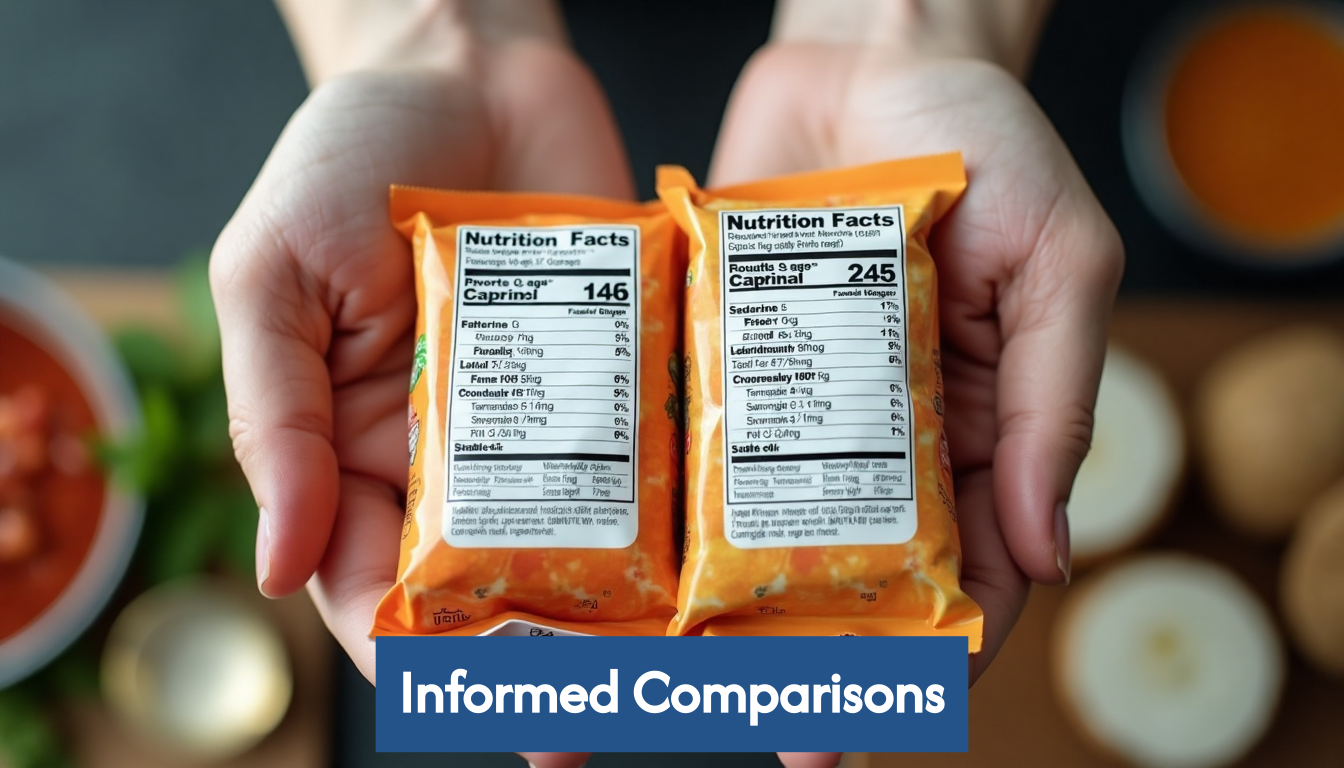
Reading nutrition labels isn’t just about understanding one product, but comparing different options. Look beyond the front packaging claims and dive into the actual nutrition facts. Some products marketed as “healthy” might surprise you when you examine their labels closely.
Consider comparing similar products side by side. Look at serving sizes, total calories, and key nutrients to make the most nutritious choice. For instance, two seemingly similar snacks might have vastly different nutritional profiles. One might be lower in calories but higher in added sugars, while another could offer more protein and fiber.
Remember, reading nutrition labels is a skill that improves with practice. Take your time, compare products, and gradually become more familiar with understanding what the numbers and percentages mean for your personal nutrition goals.
Key Areas of the Nutrition Facts Label
The Nutrition Facts Label is a comprehensive tool designed to help consumers understand the nutritional content of packaged foods. The FDA emphasizes that recent updates have made these labels more user-friendly and informative, highlighting key areas that are crucial for making informed dietary choices.
Serving Size and Calories
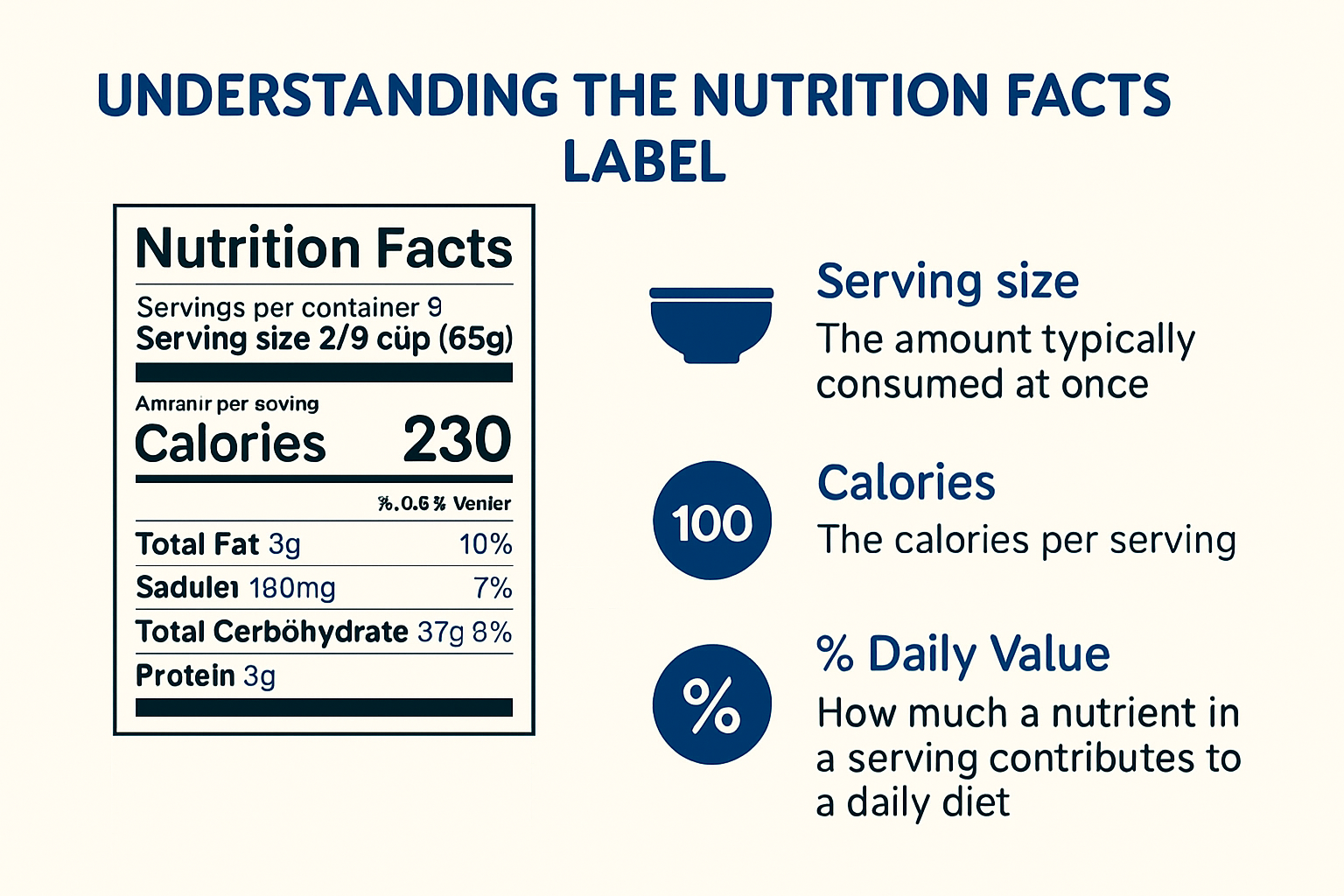
At the top of the label, serving size and calories take center stage. Harvard’s Nutrition Source notes that recent label designs now feature bolder fonts for these critical areas, making them more prominent and easier to read. The serving size reflects the amount of food people typically consume, which is not always the same as recommended portion sizes.
Calorie information is now more visually striking, helping consumers quickly assess the energy content of a food item. This is particularly important for those managing their weight or tracking daily calorie intake. Remember that the calorie count is per serving, so if you consume multiple servings, you’ll need to multiply the number accordingly.
Essential Nutrients and Percent Daily Value
The middle section of the Nutrition Facts Label provides detailed information about key nutrients. Nutrition experts recommend paying close attention to the Percent Daily Value (%DV), which shows how much a nutrient in a serving contributes to a total daily diet. This feature helps you understand the nutritional significance of the food you’re consuming.
Critical nutrients to focus on include:
- Dietary fiber
- Vitamin D
- Calcium
- Iron
- Potassium
The %DV provides a quick reference point: 5% or less is considered low, while 20% or more is high. This helps you make informed decisions about nutrient intake, whether you’re looking to increase beneficial nutrients or limit those like saturated fat, sodium, and added sugars.
Ingredients List and Nutrition Breakdown
Below the nutrient section, you’ll find the ingredients list, typically organized from most to least abundant. This provides insight into the food’s composition and can be crucial for those with dietary restrictions or specific health concerns. Look for whole food ingredients and be cautious of long lists with unfamiliar or processed components.
The label also breaks down different types of nutrients, including total fat, cholesterol, sodium, total carbohydrates, and protein. Pay attention to the types of fats (saturated, trans) and the source of carbohydrates (added sugars versus natural sugars).
Mastering the Nutrition Facts Label takes practice. Take time to compare different products, understand the serving sizes, and consider how each food fits into your overall dietary goals. The more familiar you become with reading these labels, the easier it will be to make nutritious food choices that support your health and wellness.
Putting Nutrition Label Information to Use
Transforming nutrition label knowledge into practical dietary choices requires strategic thinking and personalized planning. The FDA emphasizes that understanding these labels helps consumers make informed food decisions that support overall health and wellness.
Personalized Nutrition Strategies
Reading nutrition labels isn’t a one-size-fits-all approach. Your individual health goals, dietary restrictions, and nutritional needs should guide how you interpret and use label information. For individuals managing specific health conditions like diabetes, heart disease, or weight management, nutrition labels become powerful tools for dietary control.
Key personalization strategies include:
- Tracking specific nutrients relevant to your health goals
- Understanding how serving sizes align with your personal dietary needs
- Identifying potential allergens or ingredients to avoid
Diabetes experts recommend paying special attention to carbohydrate information, as the serving size directly impacts nutrient consumption. If you consume more than the listed serving size, you’ll proportionally increase calorie and nutrient intake.
Health Goal Alignment
Nutrition labels can be strategically used to support various health objectives. Whether you’re aiming to lose weight, build muscle, manage a chronic condition, or simply maintain a balanced diet, these labels provide critical information for making informed choices.
Consider these targeted approaches:
- Weight Management: Focus on total calories, serving size, and macronutrient balance
- Muscle Building: Prioritize protein content and overall calorie density
- Heart Health: Monitor sodium, saturated fat, and cholesterol levels
- Blood Sugar Control: Track total carbohydrates and added sugars
Practical Application Techniques
Effective use of nutrition labels requires developing practical skills and habits. Harvard’s Nutrition Source suggests creating a systematic approach to label reading that becomes second nature.
Develop these habits:
- Compare similar products side by side
- Look beyond marketing claims on packaging
- Understand % Daily Value as a quick nutrient assessment tool
- Create a personal reference guide for your nutritional needs
Remember that nutrition labels are dynamic tools. Regulations and label designs evolve, so stay informed about changes and continue refining your label-reading skills. The more comfortable you become with interpreting these labels, the more empowered you’ll be to make choices that support your unique health journey.
Ultimately, nutrition labels are about more than numbers—they’re about understanding the fuel you’re providing your body and making conscious, informed decisions that contribute to your overall well-being.
Frequently Asked Questions
What is the importance of serving size on nutrition labels?
The serving size is crucial as it determines the amount of food that the nutritional information reflects. Understanding serving sizes helps you accurately assess the calories and nutrients you’re consuming, especially if you eat multiple servings.
How do I read the % Daily Value on nutrition labels?
The % Daily Value (%DV) indicates how much a nutrient in a serving contributes to your daily diet. 5% or less is low, while 20% or more is high, helping you determine if a food is a good source of a specific nutrient.
How can I compare different food products using nutrition labels?
To compare products, look at the serving sizes and key nutrients in the nutrition facts. Place similar products side by side to evaluate total calories, fats, sugars, and beneficial nutrients to make healthier decisions.
What nutrients should I focus on when reading a nutrition label?
Focus on calories, dietary fiber, vitamins, and minerals. It’s also important to monitor saturated fat, sodium, and added sugars to make informed food choices that align with your health goals.
Transform Your Nutrition Knowledge into Action with Menalam
Understanding how to read nutrition labels is an essential step toward taking control of your health. But we know that deciphering serving sizes and nutrient values can still leave you feeling overwhelmed. Imagine if you could take your improved label-reading skills and pair them with a personalized nutrition strategy tailored just for you! That’s where Menalam comes in, bridging the gap between knowledge and actionable results.
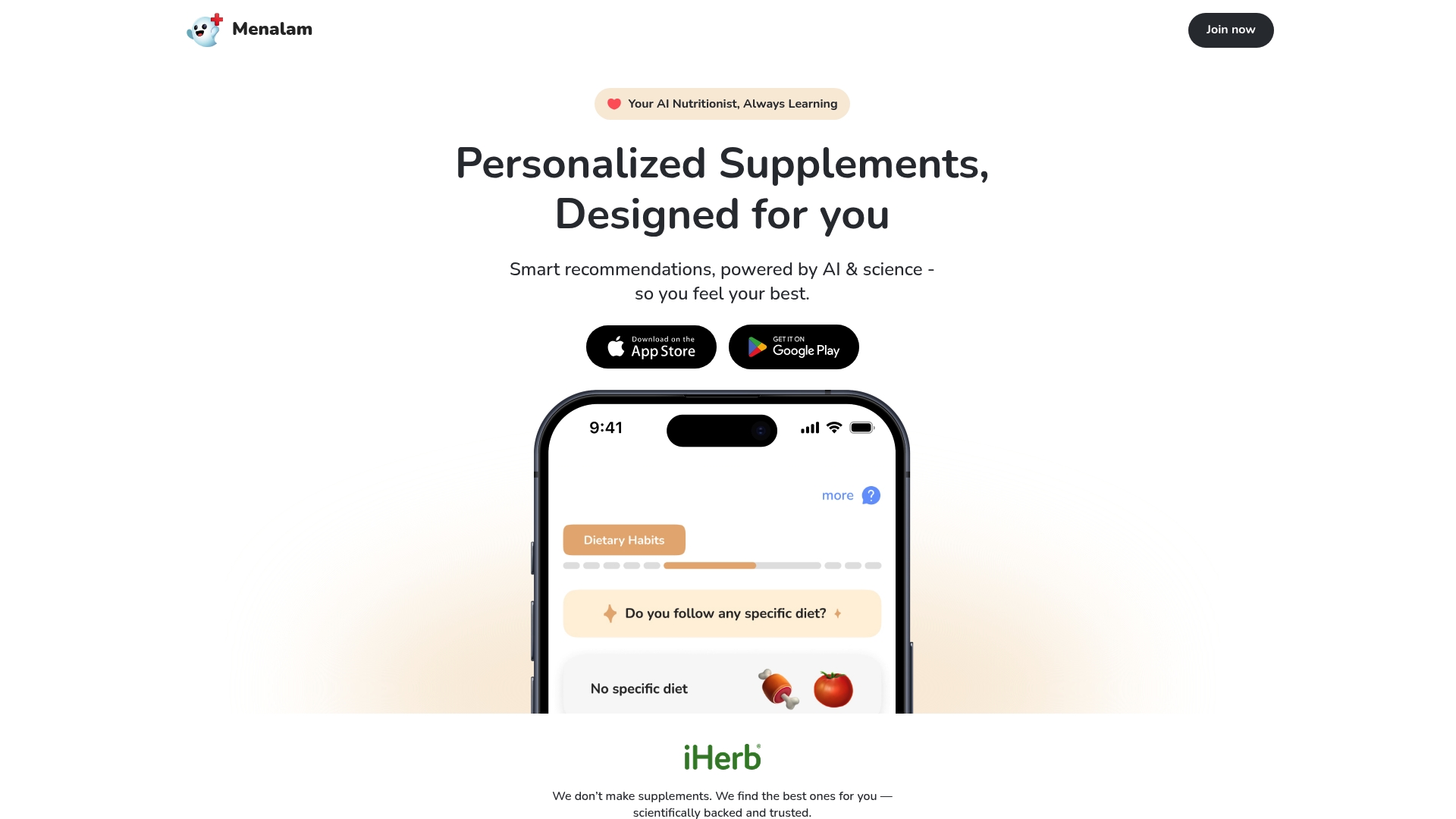
With Menalam’s innovative platform, you can:
- Receive personalized supplement recommendations based on your unique health profile.
- Track your health progress through our intuitive mobile app, ensuring you never miss a dose.
- Enjoy the peace of mind that comes with integrating blood test results and adjusting your health plans as you evolve.
Don’t just learn about nutrition—put your knowledge into practice with science-backed solutions. Take the first step towards a healthier you by visiting https://menalam.com today! Your personalized nutrition journey awaits!
Leave a Reply