
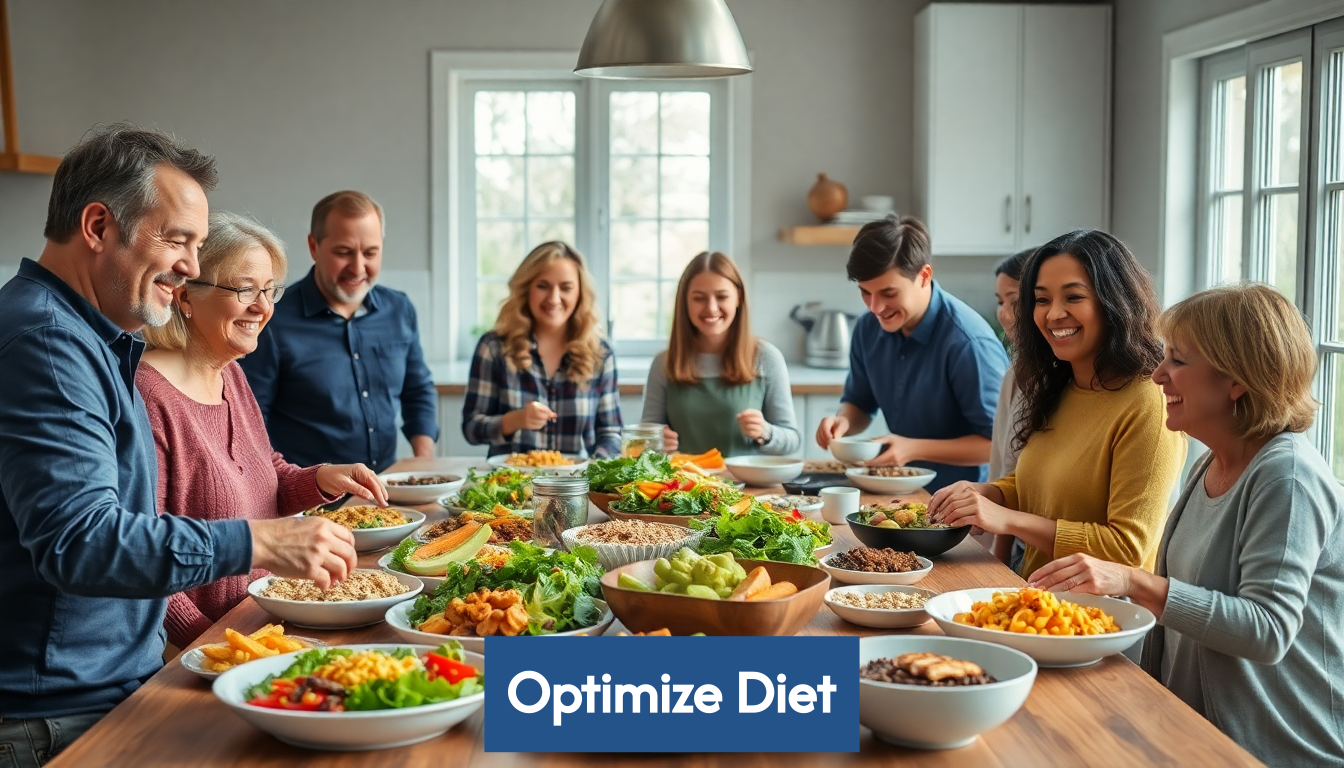
Nutrition isn’t one-size-fits-all. Your body has unique requirements that differ from everyone else’s. To optimize your diet effectively, you first need to understand what your body actually needs. Recent developments in nutritional science highlight this individuality, with the 2025 Dietary Guidelines Advisory Committee emphasizing health equity and recognizing the diversity in the United States as a key focus for upcoming nutrition recommendations. But here’s the surprising truth: even with a healthy diet, certain nutritional gaps can still lurk beneath the surface. Many Americans fail to get enough fiber, potassium, and vitamin D. This realization shifts the conversation from merely eating healthy foods to truly understanding and personalizing your nutrition. Understanding your unique nutritional profile is not just beneficial; it’s essential for long-term health.
Table of Contents
- Understanding Your Nutritional Needs
- Smart Meal Planning Strategies
- Balanced Eating For Long-Term Health
Quick Summary
| Takeaway | Explanation |
|---|---|
| Personalize Your Nutrition | Understand that nutritional needs vary based on individual factors like age, gender, activity level, and health status. Tailoring your diet to your unique requirements enhances effectiveness. |
| Implement Smart Meal Planning | Use strategies like batch cooking and flexible meal planning to consistently meet your nutritional needs, making healthy eating easier and more sustainable. |
| Focus on Balanced Eating for Longevity | Prioritize a plant-forward diet rich in whole foods and mindful eating practices to promote long-term health. Incorporate diversity and enjoyment in your meals for a sustainable eating pattern. |
| Think of Supplements as Complements | Use dietary supplements to fill specific nutritional gaps, but prioritize whole foods as the foundation of your diet, recognizing that they offer unique benefits. |
| Set Consistency Over Perfection | Aim for sustainable eating patterns by applying the 80/20 rule, maintaining nutritious habits 80% of the time while allowing flexibility for indulgences 20% of the time. |
Understanding Your Nutritional Needs

Nutrition isn’t one-size-fits-all. Your body has unique requirements that differ from everyone else’s. To optimize your diet effectively, you first need to understand what your body actually needs.
Recognizing Individual Nutritional Differences
We each have distinct nutritional needs based on our age, gender, activity level, health status, and even genetics. What works perfectly for your friend might not work for you. Recent developments in nutritional science highlight this individuality, with the 2025 Dietary Guidelines Advisory Committee emphasizing health equity and recognizing the diversity in the United States as a key focus for upcoming nutrition recommendations.
Your body’s requirements aren’t static either – they change throughout your life. A teenager needs different nutrients than a middle-aged adult or senior citizen. During pregnancy, illness, or intense physical training, your nutritional needs shift dramatically.
Starting to optimize your diet begins with this simple truth: your nutrition should be personalized. In fact, personalized nutrition is becoming a significant trend, as research increasingly highlights the importance of individualized approaches and even the gut-brain connection in optimizing nutritional health.
Essential Nutrients Everyone Needs
Despite our differences, all humans need certain basic nutrients. These include:
- Macronutrients: Proteins, carbohydrates, and fats that provide energy and structural components
- Micronutrients: Vitamins and minerals required in smaller amounts but crucial for hundreds of bodily functions
- Water: Often overlooked but absolutely essential for nearly every bodily process
- Fiber: Critical for digestive health and linked to numerous health benefits
The balance of these nutrients differs for each person. For example, athletes may need more protein for muscle repair, while someone with heart disease might need to focus on specific types of fats.
How to Determine Your Personal Nutritional Profile
To truly optimize your diet, you need to discover your own nutritional profile. Here are practical ways to do this:
-
Track your current diet for 7-14 days. Write down everything you eat and drink, along with how you feel physically and mentally. This baseline helps identify patterns and potential issues.
-
Consider getting blood work done. Basic tests can reveal deficiencies in iron, vitamin D, B vitamins, and other crucial nutrients. More comprehensive testing can provide deeper insights.
-
Reflect on your health goals. Are you trying to build muscle? Lose weight? Manage a health condition? Your goals shape your nutritional needs.
According to Dr. Helen Messier, a physician specializing in precision medicine, “The future of nutrition is personalized. We now understand that dietary recommendations must take into account an individual’s genetics, microbiome, metabolic response to foods, and lifestyle factors.”
The Scientific Report of the 2025 Dietary Guidelines Advisory Committee underscores this approach, providing evidence-based findings that will inform national nutrition recommendations with a focus on understanding population dietary intake and disease status.
Common Nutritional Gaps to Watch For
Even with a generally healthy diet, certain nutritional gaps are common. Many Americans don’t get enough fiber, potassium, calcium, vitamin D, and omega-3 fatty acids. Women often need more iron, while older adults frequently need more vitamin B12 and calcium.
Identifying your specific gaps is key to optimizing your diet. Sometimes these gaps require targeted foods; other times, they might need supplementation.
Understanding your nutritional needs isn’t a one-time task but an ongoing process. Your body changes, research evolves, and your nutrition should adapt accordingly. Start with these basics, then refine your approach as you learn more about your unique nutritional profile. This foundation will make every other step in optimizing your diet more effective and personalized to you.
Smart Meal Planning Strategies
Knowing your nutritional needs is just the first step. The real challenge lies in consistently putting that knowledge into practice. This is where smart meal planning becomes essential to optimize your diet successfully.
Why Meal Planning Works
Meal planning isn’t just about saving time – it fundamentally changes how you eat. When you plan meals, you make food decisions with clarity and intention rather than when you’re hungry and vulnerable to impulse choices. Recent research confirms this benefit, as studies show that people who implement structured meal preparation consume more nutritious foods, spend less on dining out, and experience better overall health outcomes.
Planning also helps you manage your nutrient intake more precisely. Instead of randomly assembling meals that might leave nutritional gaps, you can strategically include foods that provide specific nutrients you need. This targeted approach is exactly how to optimize diet for your personal requirements.
The Building Blocks Approach
One effective strategy is to think of meal planning as assembling building blocks rather than following rigid recipes. The basic building blocks include:
- A protein source (meat, fish, eggs, tofu, legumes)
- Complex carbohydrates (whole grains, starchy vegetables)
- Non-starchy vegetables and fruits
- Healthy fats (oils, nuts, seeds, avocado)
This approach gives you flexibility while ensuring nutritional balance. For example, you might start with chicken breast (protein), add quinoa (complex carb), roasted vegetables (non-starchy veg), and a drizzle of olive oil with pumpkin seeds (healthy fats). The next day, you could switch to salmon, brown rice, different vegetables, and avocado while maintaining the same nutritional structure.
Batch Cooking for Efficiency
Batch cooking transforms meal planning from a nice idea to a sustainable practice. The concept is simple: cook larger quantities less frequently. This might mean preparing a big pot of soup on Sunday that provides lunches for several days, or cooking multiple chicken breasts at once for use in different meals throughout the week.
Registered dietitian Sarah Johnson explains, “Batch cooking removes the daily decision-making that often leads to poor food choices. When a healthy option is already prepared, you’re much more likely to eat it.”
The key to successful batch cooking is selecting recipes that store and reheat well. Items like stews, grain bowls, roasted vegetables, and marinated proteins are excellent candidates.
Leveraging Technology for Personalized Planning
Technology has revolutionized meal planning. AI-powered meal planners can now help create personalized meal plans based on health conditions, preferences, and nutritional goals through sophisticated analysis. These tools can generate shopping lists, suggest recipes based on ingredients you already have, and even adjust portions based on your specific caloric needs.
While technology offers convenience, it’s important to approach it critically. The American Heart Association notes that while AI can serve up ideas for healthy meals quickly, dietitians recommend being cautious about potential limitations in the quality of recommendations. Always evaluate suggestions against your known nutritional needs.
The Weekly Planning Ritual
Successful meal planners often establish a weekly ritual that includes:
- Reviewing upcoming schedules to identify challenging days
- Planning meals that accommodate those challenges
- Creating a consolidated grocery list
- Setting aside specific time for batch cooking
This ritual might take 30 minutes on a weekend but saves hours during the busy week. It also drastically reduces the likelihood of falling back on unhealthy convenience foods when time is tight.
Flexibility: The Secret to Long-Term Success
The most sustainable meal plans include built-in flexibility. Rigid plans often fail at the first unexpected event. Instead, have a few backup options – perhaps a healthy frozen meal or a simple go-to recipe with pantry staples. This flexibility allows you to stay on track even when life throws curveballs.
As nutrition scientist Dr. Michael Williams puts it, “The perfect meal plan isn’t the most nutritionally ideal one on paper – it’s the one you’ll actually follow consistently.”
By implementing these smart meal planning strategies, you’ll find that optimizing your diet becomes less about willpower and more about systems that make healthy eating the path of least resistance. This approach transforms nutrition from a constant struggle into a sustainable lifestyle.
Balanced Eating For Long-Term Health
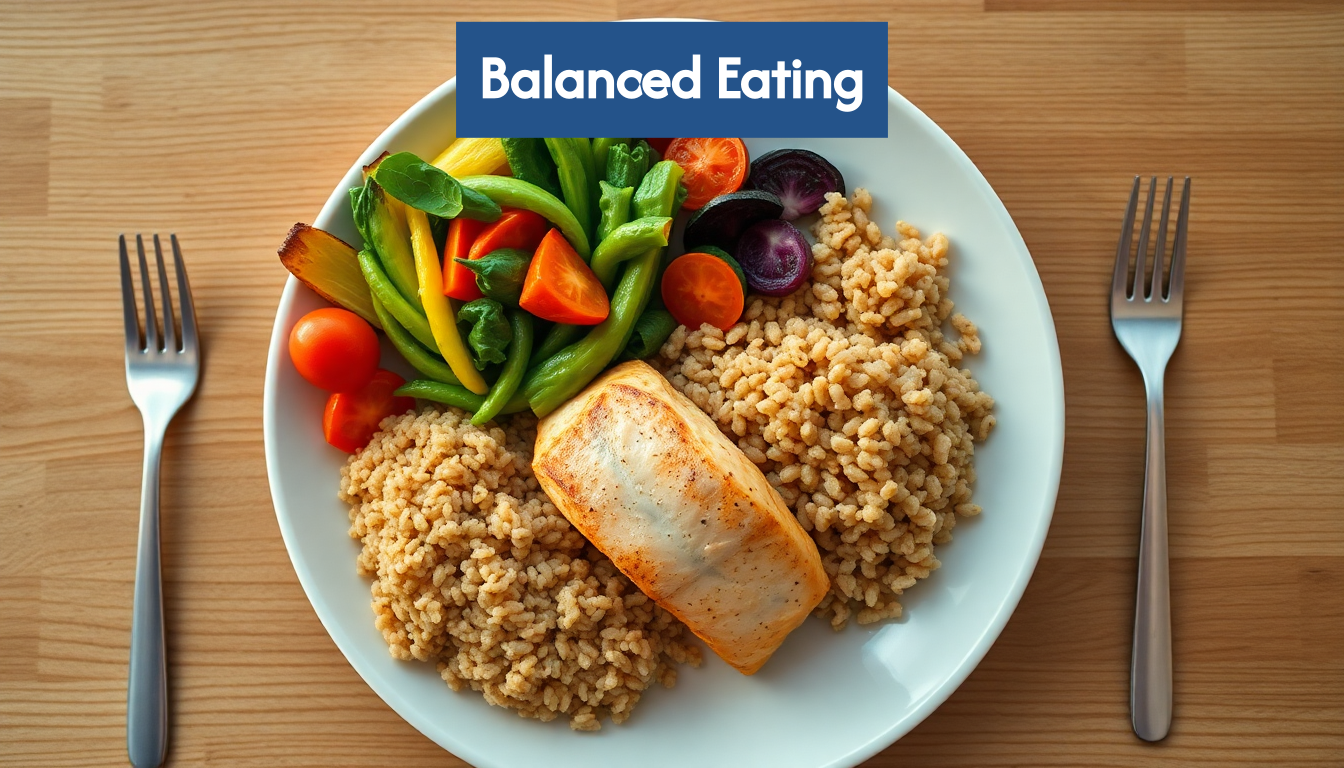
When we talk about how to optimize diet, the focus often shifts to short-term goals like weight loss or athletic performance. However, true dietary optimization should prioritize long-term health and longevity. The food choices you make today shape your health decades from now.
The Science of Diet and Longevity
Modern research continues to reinforce what many traditional cultures have known for centuries – balanced eating patterns significantly influence how we age. A remarkable 30-year study with 100,000 participants found that maintaining a diet rich in plant-based foods (fruits, vegetables, whole grains, nuts, legumes) and lower in ultra-processed foods is strongly linked to healthier aging. Participants following the Alternative Healthy Eating Index (AHEI) had an 86% greater likelihood of healthy aging at 70 years compared to those with poor adherence.
The quality of fats you consume also plays a crucial role. Higher consumption of unsaturated fats correlates with longevity and maintained physical and cognitive abilities, while higher consumption of trans fats, sodium, and red and processed meats is associated with less healthy aging, according to collaborative research from Harvard School of Public Health, University of Copenhagen, and University of Montreal.
Plant-Forward But Flexible
One of the most consistent findings in nutritional science is the benefit of plant-forward eating. This doesn’t mean you must become strictly vegetarian or vegan – rather, it’s about making plants the foundation of your meals while being mindful about animal product consumption.
Plant-forward dietary patterns that emphasize plant-based foods while moderately including healthy animal-based foods may promote overall healthy aging across cognitive, physical, and mental health domains. This balanced approach acknowledges both the nutritional benefits of plant foods and the important nutrients found in high-quality animal foods.
A practical way to implement this is the “plate method” – fill half your plate with non-starchy vegetables, a quarter with lean protein (which can include animal or plant sources), and a quarter with complex carbohydrates.
Balance Beyond Macronutrients
Balanced eating extends beyond just proteins, carbs, and fats. True balance includes:
-
Diversity of foods – Different foods contain different phytonutrients, minerals, and vitamins. Eating a wide variety of foods, especially colorful fruits and vegetables, ensures you get a broad spectrum of beneficial compounds.
-
Seasonal rotation – Consuming foods in their natural growing season often means better taste, higher nutrient content, and alignment with your body’s changing needs throughout the year.
-
Mindful eating – Paying attention to hunger and fullness cues helps maintain a healthy relationship with food. This practice enhances enjoyment and prevents both under and overeating.
-
Cultural and personal enjoyment – Sustainable dietary patterns must include foods that bring joy and connect to your cultural heritage. Food is more than just fuel – it’s a source of pleasure and cultural identity.
Dr. Melinda Rogers, a leading nutrition epidemiologist, notes: “The diets associated with the longest lifespans worldwide all balance nutritional adequacy with cultural traditions and enjoyment. When we strip away the pleasure of eating in pursuit of health, we often create unsustainable patterns.”
Supplements as Complements, Not Replacements
While whole foods should form the foundation of your diet, strategic supplementation can address specific nutritional gaps. For example, vitamin D supplementation is often necessary for those living in northern climates with limited sun exposure. Omega-3 supplements might benefit those who don’t regularly consume fatty fish.
However, supplements should complement, not replace, whole foods. The complex interactions between nutrients in food often provide benefits that isolated supplements cannot replicate.
Consistency Over Perfection
Perhaps the most important principle for long-term health is consistency over perfection. The occasional indulgence or deviation from your ideal eating pattern has minimal impact on long-term health. What matters most is your habitual patterns over months and years.
Rather than striving for dietary perfection, aim for sustainable consistency. The “80/20 rule” is a helpful framework – focus on nutritious, balanced eating about 80% of the time, allowing flexibility for special occasions or treats for the remaining 20%.
By approaching balanced eating with a long-term perspective, you’ll develop eating patterns that support health, longevity, and quality of life for decades to come. This approach transforms how to optimize diet from a short-term project into a lifelong journey of nourishing your body for lasting health.
Frequently Asked Questions
What are the essential nutrients everyone needs for a balanced diet?
All humans require macronutrients (proteins, carbohydrates, fats), micronutrients (vitamins, minerals), water, and fiber. The balance of these nutrients varies based on individual needs.
How can I determine my personal nutritional profile?
To determine your nutritional profile, track your diet for 7-14 days, consider getting blood work for nutrient levels, and reflect on your health goals to understand your unique nutritional needs.
What common nutritional gaps should I watch for in my diet?
Common nutritional gaps include insufficient fiber, potassium, calcium, vitamin D, and omega-3 fatty acids. Specific demographics may have unique gaps, such as iron needs in women and vitamin B12 in older adults.
Why is meal planning important for optimizing my diet?
Meal planning helps you make intentional food choices, ensures you meet your nutritional needs, and reduces impulsive eating. By planning ahead, you can enjoy healthier meals and maintain balanced nutrition.
Unlock Your Personalized Nutrition Journey with Menalam
Are you struggling to identify your unique nutritional needs, as highlighted in our guide to optimizing diet in 2025? You’re not alone! Many individuals grapple with common gaps like fiber, potassium, and vitamin D—making it essential to tailor your nutrition to fit your lifestyle, goals, and health status. With Menalam, you can transform confusion into clarity!
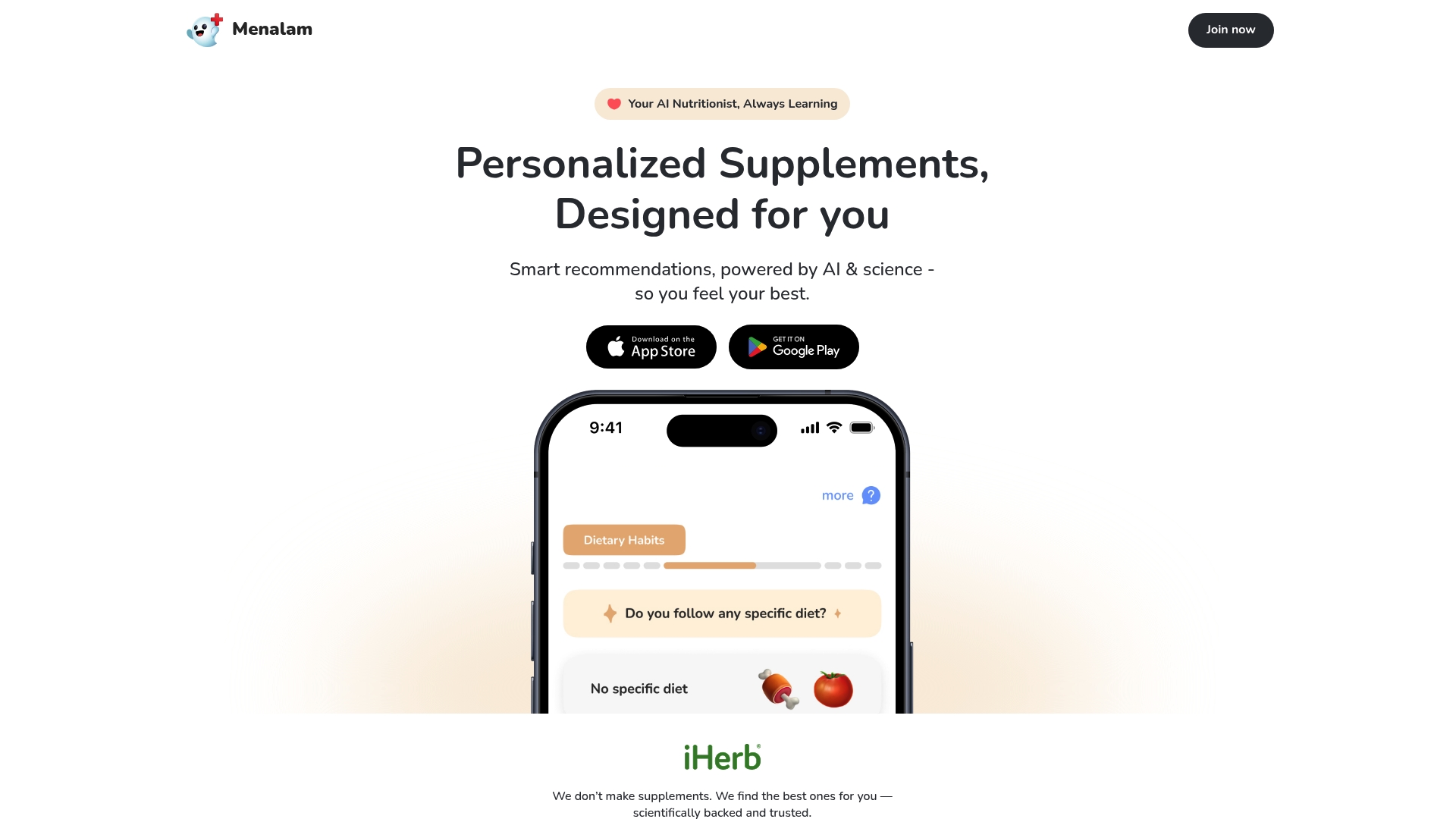
Say goodbye to cookie-cutter diets! Menalam is your artificial intelligence-driven digital nutritionist that provides personalized supplement recommendations, ensuring you fill in those nutritional gaps effectively. By taking our quick health quiz, you’ll receive tailored insights aligned with your unique profile and ongoing adjustments to keep you on track. Don’t let another day go by without the guidance you deserve. Visit Menalam.com today to elevate your health journey and enjoy bonuses like a mobile app to track your progress and timely reminders for consistency. Your path to optimized health begins now—let’s make it personal!
Leave a Reply