

Nutritionists play a pivotal role in shaping our health through the power of food. In 2025, their responsibilities will expand dramatically to include managing complex health conditions and advocating for health equity. But here’s the kicker: most people underestimate just how much a nutritionist can impact their lives. Research shows that healthy dietary patterns can significantly lower the risk of chronic diseases, such as cardiovascular issues and type 2 diabetes. The true magic lies not just in personalized meal plans but also in their ability to transform public health through evidence-based nutrition initiatives.
Table of Contents
- Understanding The Nutritionist Role
- Core Responsibilities And Duties
- Nutritionist’s Impact On Health
- Future Trends And Opportunities
Quick Summary
| Takeaway | Explanation |
|---|---|
| Nutritionists Assess Individual Needs | Nutritionists conduct comprehensive evaluations to develop personalized dietary plans that consider clients’ unique health goals and lifestyle factors. |
| Evolving Role in Healthcare | By 2025, nutritionists will expand their roles to include managing complex health conditions, translating nutrition science, and championing health equity. |
| Impact on Chronic Disease Management | Nutritionists play a crucial role in preventing and managing chronic diseases by translating evidence-based dietary strategies into actionable advice that supports client health. |
| Emphasis on Digital Transformation | The adoption of telehealth and digital tools allows nutritionists to enhance client access to services and provide remote consultation, significantly broadening their outreach. |
| Sustainability and Cultural Competence | Future nutritionists must integrate sustainability into their practices while providing culturally competent care to effectively address health disparities across diverse populations. |
Understanding the Nutritionist Role
At its core, the role of a nutritionist revolves around guiding individuals toward optimal health through food and nutrition. These professionals serve as navigators in the often confusing world of dietary advice, helping people make informed choices that support their unique health needs and goals.

Core Functions and Responsibilities
The fundamental responsibility of a nutritionist is to assess nutritional needs and develop personalized dietary plans. This process typically begins with a comprehensive evaluation of a client’s current eating habits, health history, lifestyle factors, and specific goals. Based on this assessment, nutritionists create customized nutrition strategies that address individual requirements.
According to the Bureau of Labor Statistics, nutritionists need advanced skills to assess clients’ nutritional needs, counsel on healthy eating habits, and develop personalized meal plans while considering important factors like cultural appropriateness and budget constraints. This holistic approach ensures that nutrition recommendations are not only scientifically sound but also practical and sustainable for each person.
Nutritionists also play a crucial role in nutrition education and counseling. They translate complex nutritional science into practical, actionable advice that clients can implement in their daily lives. This educational component often includes teaching clients how to read food labels, plan balanced meals, shop wisely for nutritious foods, and prepare healthy meals that align with their preferences and cultural backgrounds.
Evolving Roles in Modern Healthcare
The nutritionist’s role continues to evolve in response to changing healthcare needs and scientific advancements. Research published in the PMC indicates that by 2025, nutrition professionals are expected to fulfill multiple evolving roles, including:
- Diet optimizers managing complex health conditions
- Knowledge translators who communicate nutrition science effectively
- Equity champions in both healthcare and community settings
These expanded roles reflect the growing recognition of nutrition’s impact on health outcomes and the need for specialized nutrition expertise in various healthcare contexts.
Beyond Individual Care: Public Health Nutrition
While many nutritionists work with individual clients, others focus on community and public health nutrition. These professionals address nutrition at a population level, working to improve food environments and access to nutritious options for entire communities.
Public health nutritionists, as described by Tulane University’s School of Public Health, research community eating habits, design culturally appropriate nutrition initiatives, and collaborate with policymakers to promote improved nutritional health across diverse communities. Their work might involve developing nutrition programs for schools, conducting community nutrition education, or advocating for policies that improve food security and access to healthy foods.
Daily Activities and Work Settings
The daily responsibilities of a nutritionist vary significantly depending on their specific role and work setting. A typical day might include:
- Conducting nutrition assessments and consultations with clients
- Developing and updating meal plans and nutrition recommendations
- Documenting client progress and adjusting strategies as needed
- Collaborating with other healthcare providers as part of integrated care teams
- Researching the latest nutrition science to inform evidence-based practice
Nutritionists work in diverse settings, including hospitals, clinics, community health centers, corporate wellness programs, fitness facilities, research institutions, and private practice. Some specialize in sports nutrition, pediatric nutrition, geriatric nutrition, or nutrition support for specific medical conditions like diabetes or cardiovascular disease.
Understanding the multifaceted role of a nutritionist reveals the profound impact these professionals can have on individual and community health through the powerful medium of food and nutrition guidance.
Core Responsibilities and Duties
The role of a nutritionist encompasses a wide range of responsibilities that extend far beyond simply telling people what to eat. These professionals apply scientific knowledge about food and nutrition to help people make informed dietary choices that support their health goals and manage or prevent illness.
Clinical Assessment and Nutrition Planning
One of the primary duties of a nutritionist is conducting thorough nutritional assessments. This involves collecting and analyzing data about a client’s eating patterns, medical history, lifestyle factors, and health objectives. Using this information, nutritionists identify nutritional imbalances or areas for improvement.
Following assessment, nutritionists develop personalized nutrition plans tailored to each client’s specific needs. According to the Bureau of Labor Statistics, these professionals must counsel clients on nutrition issues and healthy eating habits while creating meal and nutrition plans customized to individual requirements. These plans take into account numerous factors including health status, cultural preferences, food accessibility, cooking abilities, and budget constraints.
Nutritionists regularly monitor client progress and make necessary adjustments to nutrition plans. This ongoing assessment is crucial for ensuring that interventions remain effective and appropriate as a client’s needs or health status changes over time.
Nutrition Education and Counseling
Effective nutrition counseling is an art that requires strong communication skills. Nutritionists must translate complex nutritional science into practical advice that clients can understand and implement. This includes teaching clients how to make healthier food choices, understand nutrition labels, prepare nutritious meals, and navigate eating challenges in various social situations.
Beyond individual counseling, many nutritionists develop and implement nutrition education programs for groups or communities. These might include workshops on healthy eating, cooking demonstrations, or educational materials designed to improve nutritional knowledge and skills among specific populations.
Medical Nutrition Therapy
An increasingly important aspect of a nutritionist’s role is providing specialized nutrition therapy for medical conditions. NutritionED.org explains that nutritionists may provide nutrition therapy to manage illnesses and health conditions through targeted dietary interventions. This therapeutic approach is especially crucial for conditions like diabetes, heart disease, kidney disease, food allergies, and gastrointestinal disorders.
In healthcare settings, nutritionists work as integral members of medical teams. According to research on Registered Dietitian Nutritionists in post-acute and long-term care settings, these professionals diagnose nutrition problems, provide evidence-based interventions, document malnutrition, write therapeutic diets, and lead interprofessional teams with their nutrition expertise.
Documentation and Reporting
Accurate and thorough documentation is essential in the nutritionist role. This includes maintaining detailed records of client assessments, nutrition care plans, intervention strategies, and progress notes. Such documentation serves multiple purposes:
- Tracking client progress and outcomes
- Ensuring continuity of care when multiple providers are involved
- Meeting legal and ethical requirements for professional practice
- Supporting insurance reimbursement for nutrition services
- Providing data for quality improvement initiatives
Professional Development and Research
The field of nutrition science constantly evolves as new research emerges. Nutritionists must stay current with the latest scientific evidence and best practices through ongoing education and professional development. Many also contribute to the field by conducting or participating in nutrition research projects.
Advocacy and Policy Work
Beyond working with individuals, many nutritionists engage in advocacy efforts to promote healthier food environments and policies. This might involve:
- Collaborating with schools to improve meal programs
- Working with food service operations to enhance nutritional quality
- Advocating for policies that increase access to healthy foods in underserved communities
- Participating in public health initiatives addressing nutrition-related health concerns
The scope of practice for nutritionists varies considerably depending on state licensure requirements, as noted by NutritionED.org. This creates important distinctions between nutritionists and registered dietitians in terms of legally permitted activities and required credentials. Understanding these distinctions is crucial for both professionals and the public seeking nutrition services.
Through these diverse responsibilities, nutritionists play a vital role in helping individuals and communities achieve better health through improved nutrition.
Nutritionist’s Impact on Health
The influence of nutritionists extends far beyond individual meal plans. These professionals shape health outcomes at both personal and community levels through evidence-based dietary interventions and nutrition education. Their work contributes to disease prevention, management of chronic conditions, and overall improvement in quality of life.
Preventing and Managing Chronic Disease
One of the most significant impacts nutritionists have is in the prevention and management of chronic diseases. A 2025 scientific report found strong associations between healthy dietary patterns and a lower risk of cardiovascular disease and type 2 diabetes in adults, regardless of racial, ethnic, or socioeconomic background, as noted by the University of Texas School of Public Health.
Nutritionists translate these scientific findings into practical dietary strategies that help individuals maintain healthy blood pressure, cholesterol levels, and blood sugar. By guiding clients toward heart-healthy eating patterns, nutritionists help reduce the risk factors associated with heart disease, which remains the leading cause of death globally.
For those already diagnosed with chronic conditions, nutritionists provide critical support in disease management. For example, they help people with diabetes understand how different foods affect their blood sugar levels and develop eating plans that maintain stable glucose control. Similarly, for individuals with kidney disease, nutritionists design specialized diets that reduce the workload on the kidneys while ensuring adequate nutrition.
Enhancing Mental Health and Cognitive Function
The connection between nutrition and mental health is gaining increased recognition, with nutritionists playing a key role in this emerging field. Research has established links between dietary patterns and mental health outcomes, including depression, anxiety, and cognitive decline.
By promoting diets rich in omega-3 fatty acids, antioxidants, and other brain-supporting nutrients, nutritionists help clients optimize their mental wellbeing alongside physical health. These interventions can be particularly valuable for aging populations concerned about cognitive decline and for individuals managing mood disorders.
Supporting Growth and Development
Nutritionists specializing in pediatric and maternal nutrition have a profound impact on health outcomes for children and mothers. Proper nutrition during pregnancy, infancy, and childhood sets the foundation for lifelong health and development.
Through prenatal nutrition counseling, nutritionists help ensure healthy fetal development and reduce the risk of complications. Their guidance during early childhood supports proper growth, immune function, and cognitive development. This early intervention can have lasting effects on a child’s health trajectory throughout life.
Culturally Responsive Nutrition Care
An increasingly important aspect of the nutritionist’s impact is providing culturally responsive care that honors diverse food traditions while promoting health. According to the University of Texas School of Public Health, nutritionists play a key role in providing culturally responsive and personalized nutrition strategies that improve the effectiveness of federal and community programs by aligning food recommendations with an individual’s current eating practices and preferences.
This approach recognizes that healthy eating looks different across cultural contexts. Rather than imposing a one-size-fits-all diet, culturally competent nutritionists work within a client’s food traditions to identify healthful adaptations that respect cultural identity while supporting health goals.
Advancing Public Health Through Evidence-Based Approaches
At a broader level, nutritionists contribute to public health by developing and implementing evidence-based interventions that address nutrition-related health challenges. The National Institutes of Health notes that the integration of rigorous, reproducible nutrition research and evidence-based interventions by nutritionists is essential for advancing public health and preventing chronic conditions worldwide.
These public health efforts might include:
- Developing community nutrition programs that increase access to healthy foods in underserved areas
- Creating workplace wellness initiatives that support employee health through improved nutrition
- Designing school nutrition programs that establish healthy eating habits early in life
- Collaborating on public health campaigns that address specific nutrition concerns such as sodium reduction or increased fruit and vegetable consumption
Measuring Success Through Improved Health Metrics
The impact of nutritionists can be measured through various health metrics and outcomes. These include improvements in biomarkers like blood pressure, blood glucose, and cholesterol levels; changes in body composition; enhanced energy levels and physical performance; reduced need for medications; and improved quality of life measures.
Through their specialized knowledge and client-centered approach, nutritionists empower individuals to use food as a tool for better health, demonstrating that thoughtful nutrition care can be one of the most powerful interventions in both preventive and therapeutic healthcare.
Future Trends and Opportunities

The role of nutritionists continues to evolve rapidly in response to technological advancements, shifting health priorities, and changing consumer preferences. Understanding these emerging trends provides valuable insight into the future landscape of nutrition practice and the expanding opportunities for professionals in this field.
Digital Transformation and Telehealth
Perhaps the most significant development reshaping the nutritionist role is the rapid adoption of digital tools and telehealth services. According to NutritionJobs.com, the rise of telehealth and virtual nutrition consultations is expanding access to dietitian services, especially for rural populations and follow-up care, enabling nutritionists to reach a broader client base through remote platforms.
These digital platforms allow nutritionists to:
- Conduct remote consultations with clients regardless of geographic location
- Monitor clients’ progress through digital food tracking and biometric data
- Provide ongoing support and accountability via messaging features
- Reach previously underserved populations who lack access to in-person services
As telehealth technology becomes more sophisticated, nutritionists will increasingly incorporate tools like artificial intelligence for dietary analysis, wearable technology data for real-time health monitoring, and virtual reality for interactive nutrition education experiences.
Personalized Nutrition and Nutrigenomics
The future of nutrition is increasingly personalized, moving beyond one-size-fits-all recommendations toward individualized approaches based on genetic profiles, microbiome composition, metabolic responses, and lifestyle factors. Nutrigenomics—the study of how genes and nutrients interact—is opening new frontiers for tailoring nutrition advice to an individual’s unique genetic makeup.
Nutritionists who develop expertise in personalized nutrition and nutrigenomics will be positioned to offer highly specialized services that consider how genetic variations influence nutrient metabolism, food sensitivities, and disease risk. This precision approach promises more effective interventions than generalized dietary guidelines alone.
Sustainability and Planetary Health
As environmental concerns become increasingly urgent, the role of nutritionists is expanding to address not just human health but planetary health as well. Kerry Health and Nutrition Institute identifies sustainable nutrition as an emerging mega-trend, requiring nutritionists to address not just individual health, but also environmental impact, food system resilience, and cultural relevance.
This trend positions nutritionists as key players in shaping future food policies and practices that promote both human and environmental wellbeing. Forward-thinking nutritionists are already incorporating sustainability considerations into their practice by:
- Recommending more plant-forward dietary patterns
- Educating clients about food waste reduction
- Promoting locally sourced and seasonally appropriate foods
- Considering the environmental footprint of different food choices
Growing Career Opportunities
The expanding role of nutritionists is reflected in promising job outlook statistics. The Bureau of Labor Statistics projects that employment of dietitians and nutritionists globally will grow by 7% from 2023 to 2033—faster than average for all occupations. This growth is driven by increased public interest in health and nutrition and the expanding range of nutritionist roles across various sectors.
Beyond traditional clinical settings, emerging career opportunities for nutritionists include:
- Corporate wellness program development and implementation
- Food industry roles focused on product development and nutrition communication
- Sports nutrition for amateur and professional athletes
- Specialized practice in areas like eating disorder recovery or food allergy management
- Digital health platform development and content creation
- Policy advocacy and food system reform
Integration with Mental Health Services
The growing recognition of the gut-brain connection and food’s impact on mental health is creating new opportunities for nutritionists to collaborate with mental health professionals. This integrative approach acknowledges the bidirectional relationship between nutrition and psychological wellbeing.
Nutritionists specializing in this area may work alongside psychiatrists, psychologists, and therapists to develop comprehensive treatment plans that address both nutritional and psychological aspects of conditions like depression, anxiety, ADHD, and eating disorders.
Emphasis on Health Equity and Cultural Competence
As healthcare systems worldwide strive to address disparities in health outcomes, nutritionists with expertise in culturally competent care and health equity will be increasingly valued. This includes understanding how food traditions, economic constraints, food access issues, and cultural values shape eating behaviors across diverse populations.
The future nutritionist must be equipped not only with scientific knowledge but also with the cultural humility and communication skills needed to effectively serve an increasingly diverse clientele. This expanded skill set positions nutritionists as important advocates for food justice and equitable access to nutritious foods for all communities.
By embracing these emerging trends and opportunities, nutritionists can expand their impact and contribute to a healthier, more sustainable future for individuals and communities worldwide.
Frequently Asked Questions
What is the role of a nutritionist in 2025?
Nutritionists in 2025 will serve as diet optimizers, knowledge translators, and equity champions, focusing on managing complex health conditions, promoting health equity, and providing evidence-based nutrition guidance.
How can a nutritionist help in managing chronic diseases?
Nutritionists can provide personalized dietary strategies that lower risk factors for chronic diseases such as cardiovascular issues and diabetes by translating complex nutritional science into actionable advice for clients.
What future trends are influencing the field of nutrition?
Key trends include the rise of digital health and telehealth services, personalized nutrition based on genetic profiles, an emphasis on sustainability in dietary choices, and integration with mental health services.
How does nutrition impact mental health?
Research indicates that dietary patterns can significantly influence mental health outcomes. Nutritionists can help optimize mental wellbeing by promoting diets rich in nutrients that support cognitive function and emotional health.
Unlock Your Personalized Nutrition Journey Today!
Are you ready to take control of your health in ways that go beyond basic dietary advice? As highlighted in our Complete Guide to the Vital Role of Nutritionist in 2025, nutritionists will soon play an essential role in managing complex health conditions and advocating for personalized, culturally responsive nutrition. By recognizing the powerful connection between nutrition and chronic disease management, you can prioritize your health with tailored solutions that truly fit your unique needs.
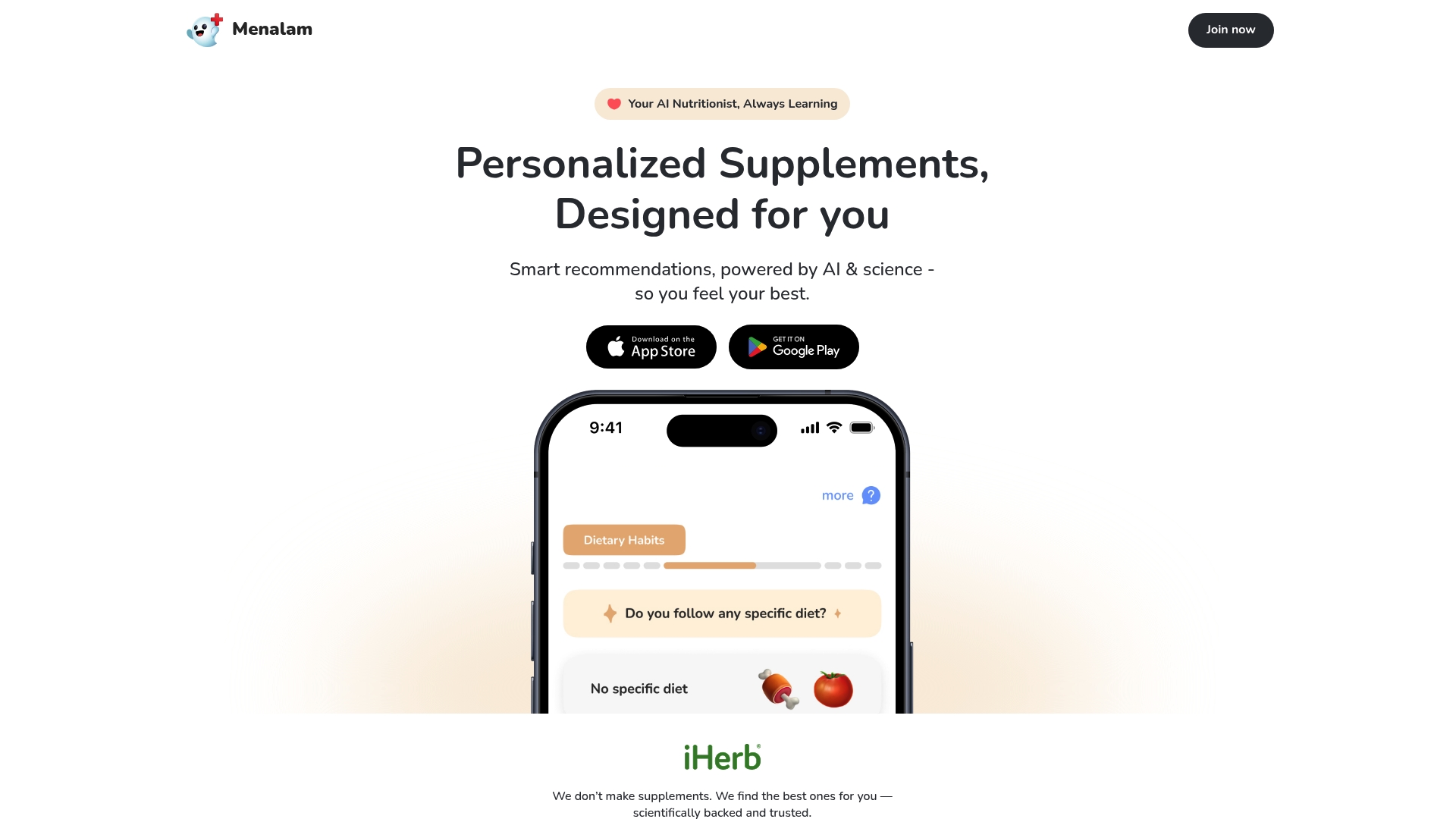
At Menalam, we bring the expertise of a nutritionist right to your fingertips. Our innovative platform uses AI-driven personalized recommendations to craft supplement plans that align with your health profile and lifestyle. Imagine receiving:
- Custom supplement recommendations based on a quick health quiz
- A mobile app that actively tracks your health progress
- Ongoing adjustments to your health plans, integrating your blood test results for precision
Don’t leave your health to chance! Empower yourself with science-backed guidance tailored just for you. Visit Menalam now to start your journey toward optimized health today! It’s time to unlock the potential of personalized nutrition and make informed choices that serve your unique journey.
Leave a Reply