
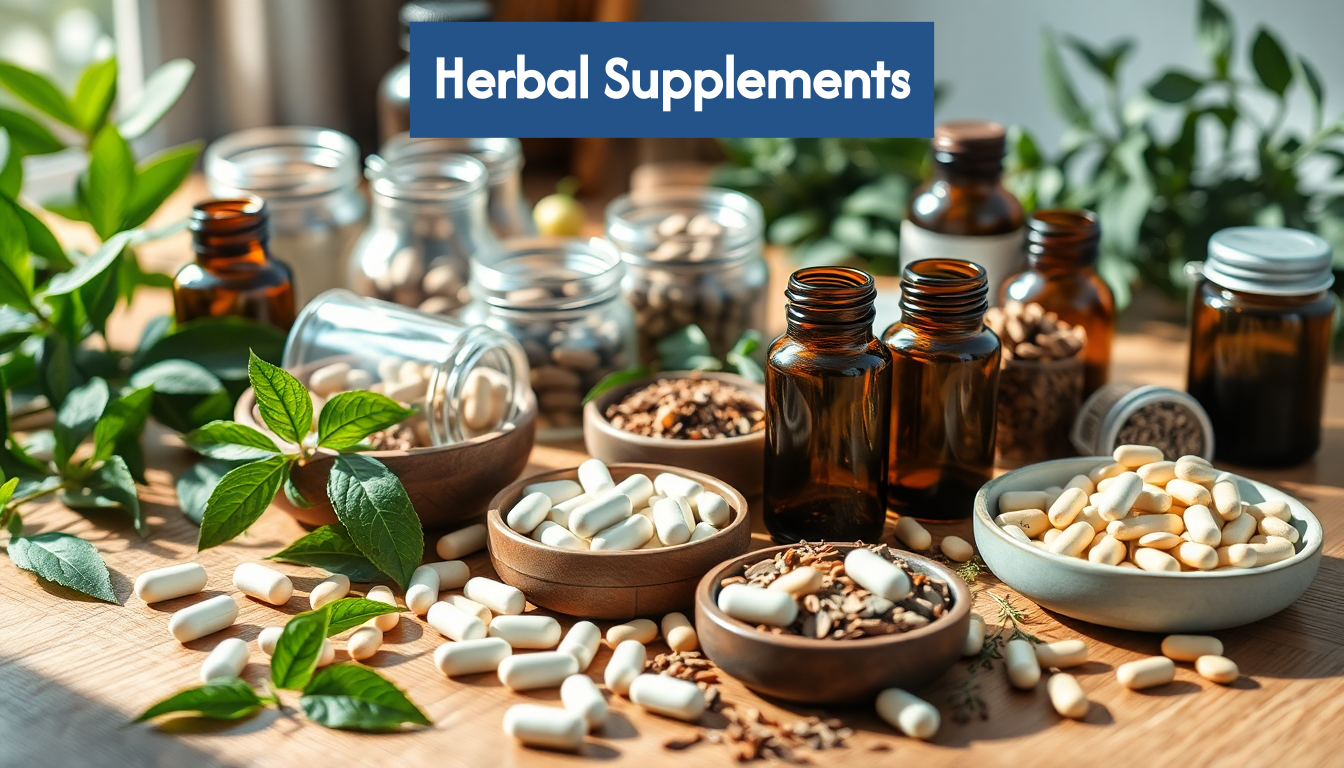
Herbal supplements have surged in popularity as people look for natural ways to boost health and wellness. Yet, despite their widespread use, it’s surprising that these products are not FDA-approved, meaning their effectiveness and safety are not guaranteed. What’s even more unexpected is that while many herbs show promising scientific benefits—like St. John’s Wort matching some antidepressants—quality control and drug interactions remain serious concerns. Understanding the real science behind herbal supplements can help you unlock their true potential while avoiding hidden risks.
Table of Contents
- Herbal Supplements An Overview
- Science And Ingredients Uncovered
- Research-Backed Health Benefits Explained
- Safety And Efficacy Considerations
- Future Trends In Herbal Science
Quick Summary
| Takeaway | Explanation |
|---|---|
| Herbal supplements are not FDA-approved | Unlike prescription medications, herbal supplements are categorized differently and are not guaranteed to be effective or safe, which emphasizes the need for informed and cautious use. |
| Potential interactions with medications | Many herbal supplements can alter drug metabolism, posing risks for individuals on conventional medications, such as the well-known interaction between St. John’s Wort and birth control pills. |
| Quality control is crucial | The potency and purity of herbal supplements can vary significantly; choosing standardized products from reputable manufacturers can help ensure consistent efficacy. |
| Individual considerations for special populations | Certain groups, including pregnant women, children, and older adults, may face heightened risks with herbal supplements and should consult healthcare providers prior to use. |
| Growing interest in personalized herbal solutions | Advances in genetics and microbiome research may lead to more tailored herbal treatment plans to optimize health benefits based on individual profiles. |
Herbal Supplements: An Overview
Herbal supplements represent one of the oldest forms of medicine, dating back thousands of years across diverse cultures worldwide. These natural remedies, derived from plants and plant extracts, have experienced a significant resurgence in popularity as more people seek alternatives to conventional pharmaceuticals. But what exactly are herbal supplements, and how do they fit into our modern understanding of health and wellness?

What Are Herbal Supplements?
Herbal supplements are products made from plants or plant parts used for their potential health benefits. Unlike prescription medications, these supplements are not intended to diagnose, treat, cure, or prevent disease—at least not according to regulatory definitions. They come in various forms, including capsules, tablets, powders, teas, extracts, and tinctures.
It’s crucial to understand that herbal supplements occupy a unique regulatory position. According to Pharmacy Times, herbal supplements are not FDA-approved, and their effectiveness is not guaranteed. The FDA primarily focuses on post-market surveillance rather than pre-market approval, creating a significantly different standard compared to prescription medications.
Common Types of Herbal Supplements
The world of herbal supplements is vast and diverse, with hundreds of products available. Some of the most commonly used include:
- Echinacea: Used to boost immune function and reduce cold symptoms
- Ginkgo biloba: Thought to improve memory and cognitive function
- St. John’s Wort: Taken for mild to moderate depression and mood disorders
- Ginseng: Used for increasing energy and reducing stress
- Turmeric: Valued for its anti-inflammatory properties
The Science and Traditional Knowledge Interface
The science behind herbal supplements represents a fascinating intersection of traditional knowledge and modern research. Many herbal remedies have centuries of traditional use supporting them, yet scientific validation through rigorous clinical trials remains inconsistent across different supplements.
For example, some herbs like St. John’s Wort have shown promising results in scientific studies, with some research indicating comparable efficacy to certain prescription antidepressants for moderate depression. However, the evidence base varies dramatically depending on the specific herb and condition being treated.
Benefits and Limitations
Herbal supplements offer several potential advantages. They often come with fewer side effects than synthetic drugs, can be more affordable, and may provide options for those who cannot tolerate conventional medications. Additionally, many people appreciate the holistic approach associated with herbal medicine.
However, significant limitations exist. Quality control can be inconsistent, with products varying in potency and purity. Herbal supplements can also interact with prescription medications, sometimes dangerously. For instance, St. John’s Wort is known to interact with numerous medications through its effects on liver enzymes, potentially reducing the effectiveness of birth control pills, blood thinners, and some cancer medications.
A Growing Field of Research
The scientific exploration of herbal supplements continues to evolve. Recent reviews have found particularly promising evidence for herbal remedies in addressing psychosomatic disorders, gynecological complaints, and upper respiratory infections. However, research quality remains inconsistent, with many studies lacking the methodological rigor required for definitive conclusions.
As interest in integrative medicine grows, so does the need for more comprehensive research into the science behind herbal supplements—balancing traditional wisdom with modern scientific methods to determine which remedies truly offer meaningful benefits for human health.
Science and Ingredients Uncovered
Behind every herbal supplement lies a complex array of bioactive compounds that interact with our bodies in various ways. Understanding the science behind herbal supplements requires examining both their active ingredients and the evidence supporting their proposed benefits. This scientific exploration helps bridge the gap between traditional knowledge and modern medicine.
Active Compounds in Herbal Supplements
Herbal supplements derive their effects from numerous naturally occurring chemical compounds. Unlike pharmaceutical drugs that typically contain a single active ingredient, herbs often contain dozens or even hundreds of compounds that may work together synergistically.
Some of the most important classes of bioactive compounds in herbs include:
- Alkaloids: Nitrogen-containing compounds that often have powerful physiological effects. Examples include caffeine in tea and morphine in poppy.
- Flavonoids: Plant pigments with antioxidant properties found in many fruits, vegetables, and herbs. These compounds help fight oxidative stress in the body.
- Polysaccharides: Complex carbohydrates with various biological activities, including immune modulation. These compounds are particularly abundant in mushroom-based supplements and certain teas.
- Terpenoids: A large and diverse class of organic compounds that often give plants their distinctive aromas and may have anti-inflammatory and antimicrobial properties.
The potency and composition of these compounds can vary significantly based on growing conditions, harvesting practices, and processing methods—one reason why standardization is so important in herbal supplement production.
Mechanisms of Action
The science behind herbal supplements reveals that these natural remedies interact with our bodies through multiple pathways. Many herbs work through similar biochemical mechanisms as pharmaceutical drugs—binding to receptors, influencing enzyme activity, or modulating gene expression—but often in more complex ways.
For instance, St. John’s Wort contains hypericin and hyperforin, compounds that appear to inhibit the reuptake of neurotransmitters like serotonin, dopamine, and norepinephrine—similar to how some prescription antidepressants work. However, it also affects additional pathways, potentially explaining both its benefits and its potential for interactions with other medications.
Similarly, turmeric’s active component curcumin has been shown to influence multiple inflammatory pathways, which explains its broad anti-inflammatory effects. Research suggests it inhibits enzymes involved in inflammation and modulates numerous cell signaling pathways.
The Evidence Spectrum
The scientific research supporting herbal supplements exists on a spectrum. Some herbs have been extensively studied in laboratory, animal, and human clinical trials, while others have minimal scientific validation despite centuries of traditional use.
For example, a well-studied herb like ginkgo biloba has been the subject of hundreds of clinical trials examining its effects on circulation, cognition, and other health parameters. While results are mixed, substantial evidence supports certain applications, particularly for improving blood flow.
On the other hand, many adaptogenic herbs popular in traditional Chinese and Ayurvedic medicine are only beginning to receive rigorous scientific attention, despite thousands of years of traditional use. The science behind these herbal supplements is still emerging.
Synergistic Effects and Whole Herb Philosophy
One fascinating aspect of the science behind herbal supplements is the concept of synergy. Many herbalists and researchers believe that the whole herb, with its full spectrum of compounds, often works better than isolated constituents.
This principle has been demonstrated in studies where purified compounds don’t produce the same effects as whole herb extracts. For example, research suggests that whole willow bark, which contains salicin (similar to aspirin), provides pain relief with fewer side effects than its isolated compound.
This synergistic approach represents a fundamental difference in philosophy between herbal medicine and conventional pharmaceuticals, which typically focus on single active compounds.
Moving Forward with Research
As scientific methods advance, our understanding of herbal supplements continues to deepen. Modern techniques like metabolomics, which studies all metabolites in a biological sample simultaneously, allow researchers to better understand the complex chemical profiles of herbs and their effects on human physiology.
These advances in the science behind herbal supplements are gradually helping to validate (or sometimes refute) traditional claims while providing a stronger foundation for integrating herbal remedies into contemporary healthcare practices.
Research-Backed Health Benefits Explained
The growing body of scientific research on herbal supplements has revealed numerous potential health benefits across various systems of the body. While not every traditional claim has been validated by modern science, several herbal supplements have demonstrated promising effects in clinical studies. Understanding these research-backed benefits helps consumers make more informed choices about incorporating herbal supplements into their wellness routines.
Immune System Support
Enhancing immune function remains one of the most sought-after benefits of herbal supplements, and scientific research has identified several herbs with immunomodulatory properties. Echinacea, perhaps the most well-known immune-supporting herb, has been the subject of numerous clinical trials. Research suggests it may increase the number and activity of white blood cells, particularly natural killer cells, potentially reducing the duration and severity of upper respiratory infections.
Another well-researched immune-supporting herb is elderberry (Sambucus nigra). Laboratory studies have demonstrated its ability to inhibit viral replication, while clinical trials suggest it may reduce the duration of flu-like symptoms. The anthocyanins in elderberry appear to work by blocking viral proteins that facilitate virus entry into cells.
Astragalus, a staple in traditional Chinese medicine, has shown promising immune-enhancing effects in research studies. Its polysaccharides and saponins appear to stimulate various components of the immune system, including macrophages and natural killer cells, potentially offering protection against both viral and bacterial pathogens.
Cognitive Function and Brain Health
As our population ages, interest in herbs that support brain health has intensified, with research validating several traditional remedies. Ginkgo biloba, one of the most extensively studied herbs for cognitive function, has demonstrated modest benefits for cognitive performance and cerebral blood flow in some studies. While not a cure for dementia, research suggests it may help stabilize or improve cognitive performance in some older adults with mild cognitive impairment.
Bacopa monnieri, an herb used in Ayurvedic medicine, has shown impressive results in clinical trials examining cognitive enhancement. Research indicates it may improve memory acquisition and retention, potentially by enhancing nerve signal transmission and synaptic activity. Its antioxidant properties may also protect brain cells from oxidative damage.
Lion’s mane mushroom (Hericium erinaceus) represents an emerging area of research in cognitive health. Preliminary studies suggest its compounds may stimulate nerve growth factor (NGF) production, potentially supporting nerve cell regeneration and growth. Early clinical trials have shown promise for mild cognitive impairment, though larger studies are needed.
Inflammation and Pain Management
Chronic inflammation underlies many health conditions, and several herbs have demonstrated significant anti-inflammatory effects in research settings. Turmeric, particularly its active compound curcumin, has been extensively studied for its anti-inflammatory properties. Clinical trials support its effectiveness for conditions like osteoarthritis and rheumatoid arthritis, with some studies showing comparable relief to non-steroidal anti-inflammatory drugs (NSAIDs) but with fewer side effects.
Boswellia serrata (Indian frankincense) contains boswellic acids that inhibit pro-inflammatory enzymes. Research has demonstrated its effectiveness in reducing pain and improving physical function in people with osteoarthritis and rheumatoid arthritis. Some studies also suggest benefits for inflammatory bowel conditions.
White willow bark, which contains salicin (related to aspirin), has been validated through research as an effective pain reliever. Unlike synthetic aspirin, the combination of compounds in willow bark appears to cause fewer gastrointestinal side effects while still providing effective relief for lower back pain and osteoarthritis.
Stress Reduction and Mood Support
The effects of adaptogenic herbs on stress response systems have garnered significant scientific attention. Ashwagandha (Withania somnifera) has demonstrated impressive results in randomized controlled trials, showing significant reductions in cortisol levels and self-reported stress and anxiety. Research suggests it may help regulate the hypothalamic-pituitary-adrenal (HPA) axis, which controls stress responses.
Rhodiola rosea has shown similar stress-reducing effects in clinical studies. Research indicates it may help prevent stress-induced depletion of important brain neurotransmitters while enhancing mental performance during periods of stress. Several studies have demonstrated improvements in fatigue, concentration, and stress-related burnout.
For mood support, beyond the well-studied St. John’s Wort for mild to moderate depression, saffron (Crocus sativus) has emerged as a promising herb backed by multiple clinical trials. Research indicates it may increase serotonin and other neurotransmitters in the brain, with studies showing effectiveness comparable to some antidepressant medications for mild to moderate depression.
Cardiovascular Health
Herbal supplements have demonstrated several beneficial effects on heart health through various mechanisms. Hawthorn (Crataegus species) has shown benefits for mild heart failure in multiple clinical trials. Research suggests it improves heart function by increasing cardiac output and exercise tolerance while decreasing symptoms like fatigue and shortness of breath.
Garlic supplements, particularly aged garlic extract, have demonstrated modest but consistent effects on blood pressure and cholesterol levels in numerous studies. Research indicates it may help reduce arterial plaque formation and improve elasticity of blood vessels, contributing to overall cardiovascular health.
As research continues to evolve, our understanding of herbal supplements’ benefits grows more nuanced. While these natural remedies offer promising support for various health concerns, it’s important to approach them with realistic expectations and, ideally, guidance from knowledgeable healthcare providers who can integrate traditional wisdom with modern scientific evidence.
Safety and Efficacy Considerations

When exploring herbal supplements, understanding both their potential benefits and risks is essential for making informed health decisions. Despite their natural origin, herbal supplements are not inherently safe in all circumstances. The science behind herbal supplements reveals important considerations regarding their safety profile, efficacy validation, and appropriate usage parameters.
Natural Doesn’t Always Mean Safe
One of the most persistent misconceptions about herbal supplements is that “natural” equals “safe.” This assumption can lead to inappropriate use and unexpected consequences. Many powerful pharmaceutical drugs originate from plants—including digitalis from foxglove, taxol from yew trees, and morphine from poppies—demonstrating that natural compounds can have potent, sometimes dangerous effects.
Herbs contain biologically active compounds that interact with bodily systems in complex ways. Some herbs, like comfrey and kava, have been associated with serious liver damage when used inappropriately. Others, such as ephedra, were removed from the market due to cardiovascular risks. Understanding that herbal supplements can have real physiological effects—both beneficial and potentially harmful—is crucial for their safe use.
Drug Interactions: A Critical Safety Concern
Perhaps the most significant safety consideration with herbal supplements involves their interactions with conventional medications. The science behind herbal supplements shows that many herbs can alter drug metabolism, particularly through effects on cytochrome P450 enzymes in the liver, which process many medications.
St. John’s Wort provides a classic example of this interaction potential. It induces liver enzymes that metabolize many drugs, potentially reducing their effectiveness. This interaction has significant implications for medications like oral contraceptives, blood thinners, immunosuppressants, and certain cancer drugs, where reduced effectiveness could have serious consequences.
Other common interactions include:
- Ginkgo biloba may increase bleeding risk when combined with blood thinners like warfarin
- Garlic supplements might enhance the effects of blood pressure medications
- Valerian can intensify the sedative effects of sleep medications and anti-anxiety drugs
Quality and Standardization Challenges
The efficacy of herbal supplements depends significantly on product quality, which varies widely in the marketplace. Unlike prescription medications, herbal supplements aren’t required to demonstrate efficacy before marketing, and manufacturing standards can differ substantially between products.
Several factors affect supplement quality:
- Growing conditions: Soil quality, climate, and agricultural practices influence the concentration of active compounds
- Harvesting practices: The timing of harvest and which plant parts are used significantly impact potency
- Processing methods: Drying, extraction, and storage conditions can preserve or degrade active ingredients
- Standardization approaches: How manufacturers ensure consistent levels of key compounds
Standardized extracts aim to deliver consistent amounts of presumed active ingredients, potentially offering more reliable effects. However, focusing solely on one or two compounds may sometimes miss the synergistic benefits of the whole herb.
Special Populations: Heightened Risks
Certain groups face elevated risks when using herbal supplements and require additional caution. The science behind herbal supplements reveals particular concerns for:
Pregnant and breastfeeding women: Many herbs lack safety data for pregnancy and lactation. Some, like black cohosh and dong quai, may stimulate uterine contractions, while others may affect hormonal balance or transfer active compounds through breast milk.
Children: Pediatric dosing for herbal supplements is rarely established through research. Children’s developing systems may respond differently to bioactive compounds, and appropriate doses cannot simply be scaled down from adult recommendations.
Older adults: Age-related changes in liver and kidney function can affect how herbs are metabolized and cleared from the body. Additionally, older adults often take multiple medications, increasing interaction risks.
Pre-surgical patients: Many herbs affect blood clotting, blood pressure, or anesthesia metabolism. Most surgeons recommend discontinuing herbal supplements at least two weeks before planned procedures.
Evaluating Efficacy Claims
Assessing the efficacy of herbal supplements requires a critical examination of available evidence. The strength of scientific support varies dramatically across different herbs and claimed benefits.
When evaluating efficacy claims, consider:
- Study design: Randomized, double-blind, placebo-controlled trials provide stronger evidence than observational studies or traditional use accounts
- Sample size: Larger studies generally provide more reliable results than small ones
- Replication: Multiple studies showing similar results build stronger evidence than single studies
- Publication quality: Peer-reviewed journals typically maintain higher standards than industry-funded publications
The most scientifically supported herbs have multiple high-quality clinical trials demonstrating benefits for specific conditions. However, many herbs have mixed or preliminary evidence, meaning their effects are less certain or may apply only in specific circumstances.
The Path to Safe and Effective Use
To maximize benefits while minimizing risks, a thoughtful approach to herbal supplements is essential. This includes consulting healthcare providers—particularly those knowledgeable about both conventional and herbal medicine—before beginning new supplements, especially for individuals with existing health conditions or those taking medications.
Choosing quality products from reputable manufacturers with third-party testing and clear labeling helps ensure you’re getting what’s advertised. Starting with lower doses and monitoring for effects or side effects allows for personalized adjustment based on your body’s response.
The science behind herbal supplements continues to evolve, gradually providing clearer guidance on both safety and efficacy. By approaching these natural remedies with respect for their power—both beneficial and potentially harmful—consumers can make more informed choices about incorporating them into their health regimens.
Future Trends in Herbal Science
The science behind herbal supplements stands at an exciting crossroads, with emerging technologies and changing consumer preferences driving innovation. As research methodologies advance and global interest in natural health solutions grows, several key trends are shaping the future of herbal science. These developments promise to enhance our understanding of traditional remedies while providing more effective, personalized, and scientifically validated herbal solutions.
Integration of Advanced Technologies
The application of cutting-edge technologies to herbal research represents one of the most promising trends in the field. Sophisticated analytical techniques like metabolomics, proteomics, and genomics are revolutionizing how researchers identify and understand the bioactive compounds in herbs. These approaches allow scientists to create detailed chemical profiles of plants, tracking thousands of compounds simultaneously rather than focusing on just a few known constituents.
Artificial intelligence and machine learning algorithms are also making significant contributions, helping researchers sift through massive datasets to identify patterns and potential applications that might otherwise remain hidden. These computational approaches can predict which herbs might be effective for specific conditions based on their chemical compositions and molecular structures, potentially accelerating the discovery process.
According to a recent bibliometric analysis, one particularly promising technological frontier is the intersection of herbal medicine and nanotechnology. This rapidly growing research area focuses on developing herbal nanoparticles that can enhance the bioavailability, stability, and targeted delivery of herbal compounds. The field has seen substantial growth over the past decade, with China leading research efforts and significant focus on traditional Chinese medicine applications, drug delivery systems, and environmentally friendly green synthesis methods.
Personalized Herbal Medicine
Personalized medicine—tailoring treatments to individual genetic profiles, lifestyle factors, and health conditions—is transforming healthcare, and herbal medicine is no exception. The future will likely see increasingly customized herbal recommendations based on an individual’s unique biochemistry and needs.
Genetic testing may eventually help identify which herbal supplements will work best for specific individuals based on their genetic makeup. For example, variations in genes that affect drug metabolism might similarly influence how a person processes certain herbal compounds, making some supplements more or less effective for them personally.
Microbiome research represents another frontier in personalization. Growing evidence suggests that gut bacteria play a crucial role in how we metabolize and respond to both foods and supplements. Future herbal products might be designed to work synergistically with a person’s unique gut microbiome profile or even to favorably modify that microbiome.
Increased Scientific Validation
As demand for evidence-based natural remedies grows, we’re seeing a corresponding increase in rigorous scientific research on herbal supplements. This trend is likely to accelerate, with more large-scale, well-designed clinical trials assessing both traditional claims and novel applications.
Systematic reviews and meta-analyses of existing research are also providing clearer pictures of which herbs have substantial evidence supporting specific uses. These comprehensive assessments help separate truly effective herbs from those with weaker scientific foundations, giving healthcare providers and consumers more confidence in their choices.
Additionally, research into mechanisms of action is advancing rapidly. Rather than simply documenting effects, scientists are increasingly uncovering exactly how herbal compounds interact with cellular pathways, receptors, and physiological systems. This deeper mechanistic understanding helps validate traditional uses while potentially revealing new applications.
Sustainability and Conservation Efforts
As global demand for herbal products continues to rise, sustainability has become an increasingly urgent consideration. The future of herbal science will necessarily include greater attention to cultivation practices, conservation of wild medicinal plants, and development of more environmentally friendly processing methods.
Biotechnology offers promising solutions to sustainability challenges. Techniques like plant cell culture and precision fermentation may eventually allow production of key herbal compounds without harvesting whole plants, reducing pressure on wild populations and agricultural land.
Genetic research is also helping conservation efforts by identifying genetic markers for high-quality medicinal plants and developing improved cultivation techniques. These approaches can help ensure consistent potency while reducing the need to harvest from threatened wild populations.
Regulatory Evolution
The regulatory landscape surrounding herbal supplements continues to evolve globally, with a general trend toward more structured oversight. Future regulations will likely focus on improving quality control standards, requiring more thorough safety assessments, and potentially establishing clearer efficacy guidelines.
Some regions are developing more formalized approaches to traditional herbal medicine systems. For example, the European Medicines Agency has established a registration pathway specifically for traditional herbal medicinal products with long histories of use. Similar frameworks may emerge in other regions, creating more standardized approaches to validating traditional herbal knowledge.
Digital tracking and blockchain technology may also play roles in the future regulatory environment, potentially providing more transparent supply chains that can verify herb authenticity and quality from field to final product.
Integrative Approaches
Perhaps the most promising trend is the growing integration of herbal medicine with conventional healthcare. Rather than viewing herbal supplements and conventional medicine as opposing approaches, researchers, clinicians, and consumers increasingly recognize the potential benefits of thoughtfully combining them.
Integrative medical centers and research programs that investigate how herbs interact with conventional treatments are expanding. This collaborative approach helps identify beneficial herb-drug combinations while avoiding potentially harmful interactions.
As the science behind herbal supplements advances, we’re moving toward a future where traditional wisdom and modern research complement each other, providing more comprehensive, personalized approaches to health and wellness. This evolution promises to enhance both the safety and effectiveness of herbal supplements while making them more accessible to those who may benefit from them.
Frequently Asked Questions
What are herbal supplements?
Herbal supplements are products made from plants or plant parts used for their potential health benefits. They come in various forms, including capsules, teas, extracts, and powders, and are not FDA-approved.
Are herbal supplements safe to use?
While many people consider herbal supplements to be safe, natural does not always mean safe. Some herbs can cause adverse effects or interact with medications, so it’s important to consult healthcare providers before use.
How do herbal supplements interact with medications?
Many herbal supplements can alter the metabolism of drugs in the liver, potentially reducing their effectiveness. For instance, St. John’s Wort may interfere with birth control pills and other medications, posing significant safety concerns.
What should I look for when choosing herbal supplements?
When selecting herbal supplements, choose products from reputable manufacturers that undergo third-party testing for quality and standardization. Look for clear labeling of ingredients and active compounds to ensure consistency and efficacy.
Unlock Your Personalized Path to Wellness with Menalam
In a world where herbal supplements are often marketed without the safety and efficacy guarantees you deserve, how can you confidently navigate your health journey? As the article highlights, the lack of FDA oversight and variability in herbal product quality make it challenging to know what truly works for you.

Menalam is here to bridge that gap. Our AI-driven platform empowers you to receive personalized supplement recommendations, perfectly aligned with your unique health profile, lifestyle, and dietary preferences.
Imagine transforming your wellness routine with solutions that adjust in real-time based on your progress and blood test results. With smart reminders and comprehensive tracking through our mobile app, you can ensure adherence and monitor your health like never before!
Take charge today—experience the confidence of science-backed nutrition. Get started now at https://menalam.com to complete your quick health quiz and unlock a tailored supplement plan just for you!
Leave a Reply