

Understanding how to select the right vitamins can feel overwhelming—especially with the supplement market booming at a staggering $140 billion annually. But here’s the kicker: many people unknowingly waste money on vitamins their bodies don’t even need. The twist? By assessing your unique health requirements, you can unlock the benefits of tailored supplements that truly support your well-being. Let’s dive into how you can make informed choices that work for you.
Assess Personal Health Needs
The starting point for learning how to choose vitamins isn’t in the supplement aisle—it’s understanding your personal health needs. Before adding any supplements to your routine, it’s crucial to identify which nutrients your body might actually need.
Evaluate Your Diet and Lifestyle
Your daily eating habits are the foundation of your nutritional intake. Begin by honestly assessing your diet. Do you consume a variety of fruits and vegetables daily? Are you getting enough protein sources? Do dietary restrictions like vegetarianism or food allergies limit certain nutrient groups? These questions help identify potential nutritional gaps.
Lifestyle factors also significantly impact your nutritional requirements. Physical activity levels, stress, sleep quality, and age all influence which vitamins your body needs. For instance, athletes may need different nutritional support than office workers, while adults over 50 often require additional vitamin B12 and calcium.
According to research published in the Journal of Personalized Medicine, personalized health assessments that consider demographic, lifestyle, and family history data can effectively identify individual health needs without requiring extensive laboratory testing. This means you can make informed decisions about supplements based on your personal circumstances.
Consult Healthcare Professionals
While self-assessment is valuable, professional guidance is irreplaceable when learning how to choose vitamins. Schedule a consultation with your healthcare provider or a registered dietitian before starting any supplement regimen. These professionals can:
- Review your medical history and current medications
- Recommend appropriate blood tests to identify deficiencies
- Provide personalized supplement recommendations
- Warn about potential interactions with medications
Blood tests are particularly valuable tools for identifying specific vitamin deficiencies. Rather than guessing which supplements you need, laboratory testing provides objective data about your nutritional status. Common tests include vitamin D levels, iron status, B12, and comprehensive metabolic panels.
Consider Health Goals and Risk Factors
Your specific health objectives should guide your approach to choosing vitamins. Are you concerned about bone health? Looking to support immune function? Trying to increase energy levels? Each goal may require different nutritional support.
Family history and personal health risk factors also merit consideration. If osteoporosis runs in your family, calcium and vitamin D might deserve greater attention. Those with digestive disorders may need supplements to compensate for reduced nutrient absorption. Personalized assessment is key to determining which vitamins to take based on your unique health profile.
Taking time to assess your personal health needs before purchasing supplements isn’t just good practice—it’s the difference between targeted nutritional support and aimless supplement consumption. This foundational step ensures that when you do select vitamins, they’ll address your body’s actual requirements rather than following general trends.
Key Takeaways
| Takeaway | Explanation |
|---|---|
| Assess Personal Health Needs | Understand your nutritional requirements by evaluating your diet, lifestyle, and health goals before selecting vitamins. This personal assessment is essential for targeting your supplement choices effectively. |
| Consult Healthcare Professionals | Seek guidance from healthcare providers or registered dietitians who can assess your medical history, recommend blood tests for deficiencies, and provide tailored supplement suggestions. |
| Understand Key Vitamin Ingredients | Familiarize yourself with the different forms of vitamins, appropriate dosages, and additional ingredients in supplements to ensure you are choosing high-quality products that your body can effectively absorb. |
| Decode Supplement Product Labels | Learn to accurately read supplement labels, focusing on crucial information like the Supplement Facts panel, quality indicators, and distinguishing between marketing claims and substantive content. |
| Check For Quality Certifications | Prioritize supplements with third-party certifications to ensure safety, purity, and accurate labeling. These certifications offer reliable evidence of product quality and effectiveness. |
Understand Key Vitamin Ingredients
Knowing how to choose vitamins means understanding what’s actually in the bottle. The ingredient list on supplement labels can be overwhelming, but developing a basic knowledge of key vitamin forms and components will empower you to make informed decisions.
Active Forms vs. Synthetic Alternatives
Vitamins come in various forms, and your body may utilize some more efficiently than others. When examining supplement labels, pay attention to the specific form of each vitamin listed. For example, vitamin B12 appears as methylcobalamin, cyanocobalamin, hydroxocobalamin, or adenosylcobalamin. The methylcobalamin form is typically better absorbed and utilized by the body than cyanocobalamin, which requires additional conversion steps.
Similarly, vitamin D supplements offer D2 (ergocalciferol) or D3 (cholecalciferol). Research indicates D3 is more effective at raising and maintaining vitamin D blood levels. When choosing vitamins, look for the most bioavailable forms—those your body can most readily absorb and utilize.
According to research published in MDPI Nutrients, global nutritional imbalances are widespread, with diet-related factors contributing to approximately 20% of global deaths. This emphasizes the importance of understanding supplement ingredients that can help address nutritional gaps effectively.
Dosage and Nutrient Interactions
When learning how to choose vitamin supplements, pay careful attention to dosages. More isn’t always better—excessive amounts of certain nutrients can be harmful or interfere with the absorption of others. For instance, high doses of zinc can inhibit copper absorption, while excessive calcium can impair iron uptake.
Consider these key points when evaluating supplement dosages:
- Compare the amount provided against the Recommended Dietary Allowance (RDA) or Daily Value (DV)
- Be cautious of products exceeding 100% of the DV without good reason
- Nutrient synergy matters—some vitamins work best in combination (like vitamin D aiding calcium absorption)
- Check for potential interactions with medications you’re taking
The right dosage also depends on your individual needs. For example, pregnant women require different amounts of certain nutrients compared to other adults, while someone with a diagnosed deficiency might temporarily need higher doses under medical supervision.
Additional Ingredients and Fillers
Quality supplements contain more than just the active vitamins—they often include supporting compounds that enhance absorption or stability. However, many products also contain unnecessary fillers, artificial colors, or potential allergens that you should identify before purchasing.
When reviewing supplement labels, check for these common additives:
- Binders and fillers (like microcrystalline cellulose or magnesium stearate)
- Flow agents (silicon dioxide, vegetable stearates)
- Sweeteners (especially in chewable or gummy vitamins)
- Coatings and glazes (shellac, vegetable coating)
If you have allergies or sensitivities, verify that supplements are free from common allergens like gluten, dairy, soy, or specific food colorings. Many quality vitamin companies now offer products that are specifically labeled free from major allergens.
Understanding vitamin ingredients represents a crucial step in learning how to choose vitamins that align with your health goals. By recognizing different forms, appropriate dosages, and additional ingredients, you’ll be better equipped to select supplements that provide genuine nutritional value rather than unnecessary or potentially harmful additives.
Decode Supplement Product Labels
Learning how to choose vitamins requires developing the ability to interpret supplement labels accurately. Product labels contain crucial information about contents, dosages, and quality standards that can help you make informed decisions about which supplements best meet your needs.
Identify Required Label Elements
Every supplement sold in the United States must include specific information on its label as required by the FDA. Understanding these elements helps you evaluate product quality and suitability. When examining a supplement label, look for these essential components:
The Supplement Facts panel provides detailed nutritional information, similar to the Nutrition Facts panel on food products. This standardized section lists active ingredients with their amounts per serving and percentage of Daily Value. Pay special attention to serving size—some manufacturers artificially inflate a product’s appeal by listing nutrients per multiple tablets.
Identify the manufacturer’s name and contact information. Reputable companies clearly state who they are and how to reach them. If this information is difficult to find, consider it a potential warning sign about transparency.
Check for any specific directions for use, including recommended dosage, timing (with meals or on an empty stomach), and any special instructions. These guidelines reflect how the product was designed to be most effective.
As revealed in a study on dietary supplement databases, the supplement market is highly dynamic, with products frequently changing formulations. This makes careful label reading particularly important since even familiar products may have updated ingredients or dosages.
Look for Quality Indicators
Beyond the required elements, quality supplements often include additional information that signals their reliability. When figuring out how to choose vitamins that meet high standards, watch for these quality indicators:
Third-party testing certifications from organizations like USP (United States Pharmacopeia), NSF International, or ConsumerLab indicate that an independent organization has verified the product’s contents match what’s claimed on the label. These symbols suggest a commitment to quality and accuracy.
Manufacturing standards such as Good Manufacturing Practices (GMP) compliance tell you the facility follows specific quality control protocols. Labels may state “Manufactured in a GMP-certified facility” or display relevant certification symbols.
Expiration dates are crucial for potency—vitamins can degrade over time. A clearly marked expiration date shows the manufacturer has tested the product’s stability and is transparent about how long it remains effective.
Lot or batch numbers allow products to be traced back to specific production runs, which is important for quality control and safety recalls if necessary. This seemingly minor detail indicates robust manufacturing oversight.
Recognize Marketing Claims vs. Facts
One of the most challenging aspects of learning how to choose vitamins is separating marketing hype from substantiated information. Supplement labels often contain persuasive claims that require careful evaluation.
Structure/function claims like “supports immune health” or “promotes joint flexibility” are permitted without FDA pre-approval but must be accompanied by a disclaimer stating the FDA hasn’t evaluated the claim. These statements suggest potential benefits but don’t guarantee results.
Words like “natural,” “premium,” or “clinical strength” have no standardized definitions in the supplement industry and may be used primarily as marketing tools. Focus instead on specific, verifiable information like ingredient sources and amounts.
Health claims that suggest a supplement treats, prevents, or cures a disease are strictly regulated and rarely permitted on supplement labels. Be wary of products making such promises, especially for serious conditions.
When choosing vitamin supplements, remember that the most reliable information on the label is factual data like ingredient lists and amounts rather than benefit-oriented claims. By learning to decode supplement labels effectively, you gain a valuable skill for identifying quality products that align with your specific health needs.
Check For Quality Certifications
When learning how to choose vitamins, identifying reliable quality certifications is one of the most concrete ways to distinguish superior products from questionable ones. In an industry with varying standards, these third-party verifications provide objective evidence that a supplement meets specific quality criteria.
Understanding Third-Party Certification
Third-party certification means an independent organization has evaluated a supplement according to established standards. This external validation is far more reliable than a manufacturer’s self-claims about quality. When determining how to choose supplements, prioritize products that have undergone this rigorous external scrutiny.
The most respected certification organizations in the supplement industry include:
-
USP (United States Pharmacopeia): Verifies ingredient identity, purity, strength, and proper manufacturing processes. USP-certified supplements must dissolve properly to ensure absorption and contain declared ingredients at stated potency.
-
NSF International: Conducts comprehensive testing for contaminants, verifies label accuracy, and inspects manufacturing facilities. Their NSF Certified for Sport program provides additional testing for athletic-banned substances, making it particularly valuable for athletes.
-
ConsumerLab: Tests supplements for quality, purity, and potency, publishing their findings in subscription-based reports. Products that pass their testing can display the CL Seal of Approval.
As detailed in research on certification systems, effective certification programs reduce information asymmetries between producers and consumers. In the supplement industry, where quality can vary dramatically, these certifications help bridge the knowledge gap, allowing you to make more informed decisions about which vitamins to take.
What Certification Actually Guarantees
When figuring out how to pick vitamins, it’s important to understand what each certification actually verifies. Most quality certifications address several key aspects:
- Identity verification: Confirms the supplement contains what it claims to contain
- Potency testing: Ensures the product provides the labeled amount of active ingredients
- Purity assessment: Checks for harmful contaminants like heavy metals, pesticides, or microbes
- Manufacturing inspection: Verifies the facility follows Good Manufacturing Practices (GMP)
However, certifications have limitations. They don’t typically evaluate whether a supplement is appropriate for your specific health needs or guarantee effectiveness for particular conditions. Rather, they verify that what’s in the bottle matches what’s on the label and meets safety standards.
When Certifications Matter Most
While quality certifications are valuable indicators for all supplements, they become particularly crucial in certain situations when learning how to choose the right vitamins:
For products with higher contamination risks, like herbal supplements or fish oil, third-party testing provides essential verification of purity. Plants can absorb environmental toxins, while fish may contain mercury or other pollutants.
When selecting supplements for special populations such as pregnant women, children, or those with compromised immune systems, certification offers additional assurance of safety and purity.
In categories with known quality issues, certification becomes especially important. For example, studies have found significant discrepancies between labeled and actual content in some vitamin D, probiotics, and herbal products.
Remember that not all high-quality supplements carry third-party certifications due to the additional costs involved. Some reputable manufacturers conduct extensive in-house testing and provide certificates of analysis upon request. When evaluating how to find quality supplements without certification symbols, look for detailed information about the company’s quality control processes and willingness to share test results.
By prioritizing certified products when possible, you gain an additional layer of confidence in your supplement choices. These certifications serve as valuable tools in your quest to determine how to choose vitamins that truly support your health goals.
Compare Prices and Reviews
Understanding how to choose vitamins includes making informed financial decisions. Price comparison and consumer review analysis are practical steps that help you find quality supplements that fit your budget. This balanced approach ensures you’re making decisions based on both value and efficacy.
Price Comparison Strategies
When learning how to choose vitamin supplements, remember that price doesn’t always correlate directly with quality. Some premium-priced products justify their cost with superior ingredients or manufacturing processes, while others simply have higher marketing expenses or profit margins.
To effectively compare supplement prices, calculate the cost per serving rather than just looking at the bottle price. A seemingly expensive supplement might actually be more economical if it contains more servings or higher potencies per dose. This calculation provides a standardized way to compare value across different products.
Look beyond the initial purchase price to understand the true cost of supplementation. Consider factors like:
- Frequency of use (daily vs. occasional)
- Required dosage to achieve therapeutic levels
- Subscription or bulk purchase discounts
- Free shipping thresholds from retailers
According to research on e-commerce price comparison, consumers can save significant time and money by comparing prices across multiple retailers rather than purchasing from the first source they find. This is particularly relevant for supplements, where pricing can vary dramatically between physical stores, manufacturer websites, and third-party retailers.
Evaluating Consumer Reviews
Customer reviews provide valuable insights when deciding how to pick vitamins, but they require careful interpretation. Review quality varies widely, and the supplement industry sometimes struggles with fake or incentivized reviews that skew perceptions.
When analyzing reviews to determine how to choose the right vitamins, look for these indicators of reliability:
- Detailed experiences rather than vague praise or criticism
- Mentions of specific effects or results with reasonable timeframes
- Reviews from verified purchasers who have used the product consistently
- Balanced perspectives that acknowledge both positives and limitations
Be particularly attentive to reviews that mention factors aligned with your priorities—whether that’s taste, ease of swallowing, absence of side effects, or noticeable health improvements. This targeted approach helps you find products that address your specific concerns.
Balancing Price and Quality
The ultimate goal when learning how to choose supplements is finding the optimal balance between cost and quality. Neither the cheapest nor the most expensive option is automatically the best choice for your needs.
Consider creating a simple evaluation matrix with your key decision factors. For example:
-
Does the supplement contain the specific form and dosage of nutrients you need?
-
Is it certified or tested by reputable third parties?
-
Are reviews generally positive from people with similar health concerns?
-
Is the price reasonable compared to similar quality products?
This systematic approach helps prevent both overspending on unnecessarily expensive products and compromising on quality to save money. Remember that the true value of a supplement comes from its ability to effectively address your nutritional needs—an inexpensive supplement that doesn’t work or contains poor-quality ingredients offers no real value.
When determining how to find the best supplements, sometimes the sweet spot lies with mid-range products from established companies that have invested in quality ingredients and testing but haven’t inflated their prices with excessive marketing costs. These products often provide the best combination of quality and value for most consumers seeking reliable supplementation.
Frequently Asked Questions
What should I consider when choosing vitamins?
When choosing vitamins, assess your personal health needs by evaluating your diet, lifestyle, and specific health goals. Consulting healthcare professionals can provide personalized recommendations based on your unique health profile.
How can I identify vitamin deficiencies?
Vitamin deficiencies can be identified through blood tests recommended by healthcare providers. These tests measure levels of essential vitamins and minerals in your body, helping you understand what supplements you may need.
Are all vitamin supplements the same?
No, not all vitamin supplements are the same. They can vary in quality, ingredient forms, dosages, and bioavailability. Look for high-quality products with third-party certifications to ensure safety and effectiveness.
How do I read supplement labels?
To read supplement labels, focus on the Supplement Facts panel for ingredient amounts and dosages, check for quality indicators like third-party testing, and be cautious of marketing claims that may not be substantiated by facts.
Unlock Your Personalized Path to Better Health!
Choosing the right vitamins shouldn’t be a guessing game. As highlighted in our recent article, understanding your personal health needs and diet is essential—but it can often feel overwhelming. You might find yourself unsure about which nutrients your body truly requires, or how to interpret the myriad of supplement options available. Fear not! That’s where Menalam comes in. Our innovative platform acts as your digital nutritionist, providing tailored supplement recommendations based on your unique health profile, dietary preferences, and lifestyle.
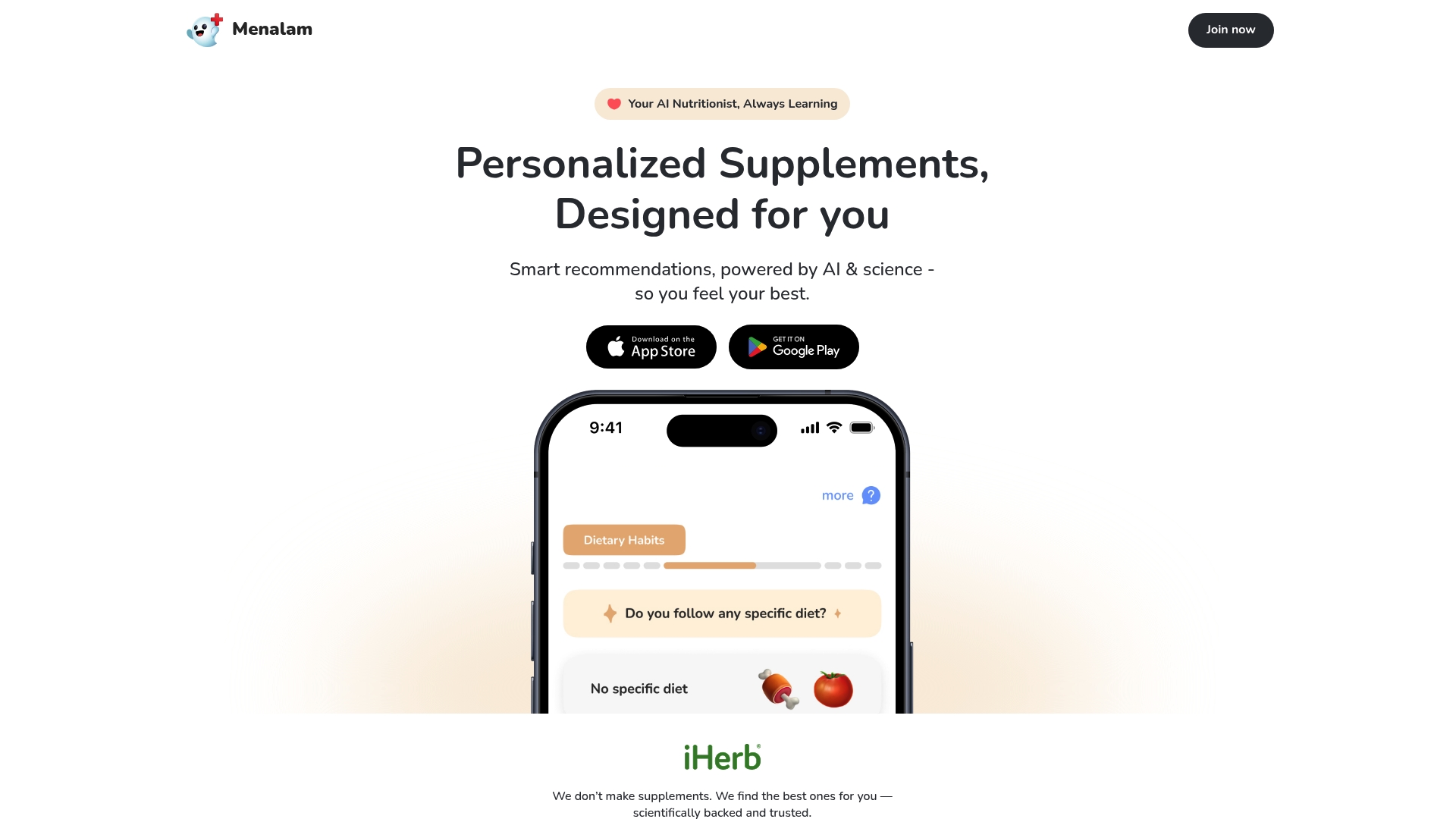
Take control of your health journey today! Answer a few simple questions on our quick health quiz, and discover the specific vitamins designed just for you. Our AI-driven insights, along with integration of your health data and blood test results, ensure that you receive science-backed guidance tailored to your individual needs. Plus, our mobile app keeps you on track with smart reminders and ongoing adjustments to your health plan.
Why wait? Start feeling your best now! Visit Menalam to get started on your personalized supplement journey today!
Leave a Reply