

Nutrition is evolving, and the role of supplements has never been more crucial. Recent studies reveal that nearly one-third of the U.S. population faces at least one vitamin deficiency. Surprisingly, even those who eat healthy diets can find nutritional gaps lurking in their meals. But here’s the twist—supplements are not just a backup; they are now recognized as an essential part of a well-rounded health strategy. By embracing targeted supplementation, you can bridge these gaps and empower your body to function at its best.
The Role of Supplements in Nutrition
Nutritional supplements serve as powerful allies in our quest for optimal health, stepping in where our regular diet may fall short. Modern nutrition science has revealed that even well-balanced diets often need strategic supplementation to achieve complete wellness.
Bridging the Nutritional Gap
Despite our best efforts to maintain healthy eating habits, nutritional gaps have become increasingly common. According to research cited by functional medicine experts, modern food production methods have significantly reduced the nutrient density of many foods. Industrial farming practices, extensive processing, and long storage periods strip away essential vitamins and minerals before food even reaches our plates.
This reality creates a concerning situation where eating what appears to be a healthy diet may still leave you nutritionally deficient. Supplements provide a practical solution to address these gaps, delivering concentrated doses of specific nutrients your body requires for optimal function.
Supporting Increased Nutritional Demands
Our bodies face unprecedented nutritional demands in today’s world. Environmental pollutants, chronic stress, irregular sleep patterns, and exposure to toxins all increase our need for protective nutrients. These modern lifestyle factors create situations where the recommended daily allowances (RDAs) of certain nutrients may be insufficient for true wellness.
For example, vitamin D requirements increase significantly for people with limited sun exposure, while antioxidant needs rise when facing environmental stressors. Supplements allow for targeted nutritional support that adapts to these individualized needs, providing your body with the precise tools it needs to maintain balance.
Enhancing Therapeutic Outcomes
Beyond basic nutrition, supplements can play a crucial role in addressing specific health concerns. When used appropriately, they become powerful therapeutic tools that complement conventional approaches to wellness.
For instance, omega-3 fatty acids have demonstrated significant benefits for cardiovascular health, while specific probiotic strains show promise for digestive disorders. Magnesium supplements have proven valuable for migraine prevention, and targeted vitamin complexes support immune function during vulnerable periods.

The strategic use of supplements transforms nutrition from a one-size-fits-all approach to a personalized wellness strategy. By understanding your unique biochemistry, lifestyle factors, and health objectives, you can develop a supplement regimen that works synergistically with your diet to optimize your health outcomes.
Rather than viewing supplements as optional additions, we can recognize them as essential components of a comprehensive nutrition strategy—tools that help us adapt to our modern world while supporting our body’s innate healing capacity.
Key Takeaways
| Takeaway | Explanation |
|---|---|
| Nutritional Gaps are Common | Many people, despite healthy eating, face nutritional deficiencies due to modern food production methods and lifestyle factors, making supplements necessary to fill these gaps. |
| Targeted Supplementation is Key | Analyzing individual dietary intake and nutrient needs is essential for creating a personalized supplement regimen that effectively addresses specific deficiencies. |
| Quality Matters in Supplement Selection | Choosing high-quality supplements from reputable manufacturers ensures better absorption and effectiveness. Look for certifications and detailed ingredient information to guide your choices. |
| Timing and Interaction Awareness | The timing of supplement intake can significantly affect absorption; it’s crucial to be aware of potential interactions between supplements, medications, and foods to maintain safety and efficacy. |
| Professional Guidance Enhances Outcomes | Working with qualified healthcare professionals can help tailor supplement strategies based on individual health goals, ensuring a more effective and safe supplementation approach. |
Identifying Nutrient Gaps in Diet
Understanding where your nutrition falls short is the critical first step in determining why supplements are necessary for your health. Even with the best intentions, many people experience nutrient deficiencies that can impact overall wellness and long-term health outcomes.
Common Nutritional Deficiencies
Despite living in an age of food abundance, nutritional deficiencies remain surprisingly common across all demographics. Research indicates that nearly one-third of the U.S. population is at risk of at least one vitamin deficiency or anemia, with certain groups facing even higher risks. Women (especially during pregnancy or breastfeeding), non-Hispanic Blacks, and individuals with lower socioeconomic status often experience more significant nutritional gaps.
The most prevalent deficiencies include:
- Vitamin D deficiency: Affecting bone health, immune function, and mood regulation
- Magnesium deficiency: Impacting over 300 enzymatic reactions in the body
- Omega-3 fatty acid insufficiency: Critical for cardiovascular and brain health
- B vitamin shortfalls: Essential for energy production and neurological function
What makes these deficiencies particularly troubling is that they often develop silently, with symptoms appearing only after significant depletion has occurred.
Recognizing Signs of Nutrient Depletion
Your body communicates nutritional needs through various physical signs that are easy to overlook or attribute to other causes. Persistent fatigue, frequent illnesses, slow wound healing, and unexplained mood changes can all signal underlying nutrient deficiencies.
More specific indicators include:
- Brittle nails and hair loss (possibly indicating iron or biotin deficiency)
- Muscle cramps and spasms (potentially signaling magnesium or potassium insufficiency)
- Poor night vision or eye health issues (possibly related to vitamin A deficiency)
- Unexplained skin issues like dermatitis (potentially tied to essential fatty acid or B vitamin shortfalls)
These manifestations should not be dismissed as normal aging or stress responses, as they often represent your body’s attempt to communicate specific nutritional needs.
Diet Analysis and Targeted Supplementation
A systematic approach to identifying nutrient gaps involves analyzing your regular diet against established nutritional standards. This process reveals not just what you’re eating, but what you’re missing. The standard American diet, heavily weighted toward processed foods, creates predictable deficiency patterns that supplements can effectively address.
Taking a targeted approach to supplementation means first understanding your unique nutritional terrain through:
- Dietary tracking to identify consumption patterns
- Blood work to measure specific nutrient levels
- Consideration of life stage and special circumstances (pregnancy, intense physical training, recovery)
- Evaluation of genetic factors that might influence nutrient needs

This personalized assessment provides clarity on why supplements are necessary for your individual situation, moving beyond general recommendations to address your specific biochemical needs. Rather than randomly selecting supplements based on trends, this methodical approach ensures you’re addressing actual deficiencies with precision.
Understanding your unique nutrient gaps transforms supplementation from a guessing game into a strategic wellness intervention with measurable benefits for your daily health.
Health Benefits of Daily Supplements
While a nutritious diet forms the foundation of good health, daily supplements offer significant benefits that can enhance your overall wellbeing when used appropriately. Understanding these benefits helps explain why supplements are necessary components of a comprehensive health strategy.
Optimizing Cellular Function
At the most fundamental level, supplements support the billions of cellular processes occurring in your body every day. Many vitamins and minerals serve as essential cofactors for enzymes that drive metabolism, energy production, and cellular repair.
For example, B vitamins play crucial roles in energy metabolism, helping convert food into usable fuel for your cells. Magnesium participates in over 300 enzymatic reactions, from protein synthesis to blood glucose control. When these nutrients are consistently available in optimal amounts, your cells can function at their best, supporting everything from physical energy to cognitive performance.
Research from Nature Made indicates that daily multivitamin intake significantly improves nutritional status and reduces inadequate intake of essential nutrients—particularly important for those common nutrients many Americans don’t get enough of through diet alone, including vitamins A, C, D, E, K, calcium, magnesium, and potassium.
Strengthening Immune Defense
Your immune system requires specific nutrients to maintain surveillance, recognize threats, and mount effective responses to pathogens. Several vitamins and minerals play starring roles in this complex system:
- Vitamin C supports various cellular functions of the immune system and helps maintain barrier integrity
- Vitamin D modulates both innate and adaptive immune responses
- Zinc influences multiple aspects of immune function, from skin barrier integrity to T-cell development
- Selenium helps regulate inflammatory responses and oxidative stress
When these immune-supporting nutrients are consistently available through supplementation, your body can maintain robust defense mechanisms against seasonal challenges and everyday exposures.
Supporting Tissue Integrity and Function
Beyond cellular and immune benefits, supplements provide critical support for your body’s tissues and organs. This tissue-specific support becomes increasingly important as we age and face greater environmental and lifestyle challenges.
Bone health benefits tremendously from calcium and vitamin D supplementation, especially for adults over 50 when absorption naturally declines and requirements increase. These nutrients work synergistically—vitamin D enhances calcium absorption while both contribute to maintaining bone density and preventing age-related deterioration.
Cardiovascular health can be supported through omega-3 fatty acid supplementation, which helps maintain healthy blood pressure, reduce inflammation, and support proper heart rhythm. Coenzyme Q10 provides additional support by enhancing cellular energy production in the heart muscle.
Cognitive function benefits from supplements like omega-3s, B vitamins, and antioxidants that support neuronal health, neurotransmitter production, and protection against oxidative damage in brain tissue.
Addressing Age-Specific Nutritional Needs
As we age, our nutritional requirements change, often increasing just as our ability to absorb and utilize nutrients declines. This creates a perfect scenario where supplements become increasingly necessary for maintaining optimal health.
For adults over 50, nutrient needs shift significantly. Absorption of vitamin B12 diminishes due to decreased stomach acid production, making supplementation nearly essential. Similarly, the ability to synthesize vitamin D from sunlight exposure decreases with age, while calcium requirements increase to protect bone density.
Daily supplementation provides a reliable method to meet these changing needs, helping to prevent the gradual nutritional decline that often accompanies aging.
While supplements should never replace whole foods, they provide targeted nutritional support that complements your diet and addresses the specific challenges of modern living, making them necessary tools in your daily health regimen.
Choosing Quality Supplement Products
Understanding why supplements are necessary is only half the equation; selecting high-quality products is equally critical for achieving the health benefits you seek. The supplement industry’s minimal regulation creates a marketplace where quality varies dramatically, making informed selection essential.
Evaluating Manufacturer Standards
The foundation of supplement quality begins with the manufacturer’s commitment to excellence. Look for companies that voluntarily adhere to manufacturing standards that exceed minimum requirements.
Reputable manufacturers implement Good Manufacturing Practices (GMPs) and obtain third-party certifications that verify their quality control processes. These companies typically invest in rigorous testing at multiple stages of production, from raw material sourcing to finished product verification.
According to supplement quality researchers, practitioners who switch their patients to higher-quality supplement brands often observe immediate improvements in effectiveness. This real-world evidence supports the importance of manufacturing standards in determining a supplement’s therapeutic value.
When researching manufacturers, look for transparency regarding their quality control procedures, including how they test for potency, purity, and ingredient identity. Companies willing to share their testing protocols and results demonstrate confidence in their products and commitment to consumer safety.
Understanding Bioavailability and Form
Not all supplement forms are created equal. The bioavailability—how efficiently your body can absorb and utilize a nutrient—varies significantly depending on the specific form of the ingredient.
For example:
- Magnesium citrate is generally more bioavailable than magnesium oxide
- Methylcobalamin (vitamin B12) is typically better utilized than cyanocobalamin
- Vitamin D3 (cholecalciferol) is more effective at raising blood levels than vitamin D2 (ergocalciferol)
High-quality supplements use forms with superior absorption rates and bioavailability. They also consider complementary nutrients that enhance absorption, such as including vitamin K2 with vitamin D3 or combining iron with vitamin C.
Avoiding Common Quality Pitfalls
The supplement marketplace contains numerous products that fail to deliver on their promises. Avoid supplements sold exclusively through mass-market retailers that prioritize cost over quality. A troubling finding from a 2022 study revealed that more than half of immune health products examined had inaccurate labels, with many containing unlisted ingredients or incorrect amounts.
Be wary of products that:
- Contain unnecessary fillers, artificial colors, or preservatives
- Make extraordinary claims that seem too good to be true
- Lack transparency about sourcing and manufacturing
- Are significantly cheaper than comparable products from reputable brands
These red flags often indicate corners being cut in quality assurance, potency, or ingredient sourcing.
Reading Labels Effectively
A supplement label reveals much about product quality for those who know what to look for. Pay particular attention to the following elements:
Dosage: Verify that the product contains therapeutic amounts of key ingredients. Many inferior supplements include technically correct ingredients but at doses too low to provide benefits.
Form specification: Quality labels clearly state the precise form of each nutrient (e.g., “magnesium glycinate” rather than just “magnesium”).
Transparency about additives: Better products fully disclose all ingredients, including fillers, flow agents, and capsule materials.
Allergen information: Reputable manufacturers clearly identify potential allergens and often design products free from common allergens.
Choosing high-quality supplements requires diligence, but the investment pays dividends in effectiveness. When supplements are necessary for your health, ensuring you select products that deliver their promised benefits becomes an essential part of your wellness strategy.
By applying these quality assessment criteria, you transform supplement selection from guesswork into a science-based decision that supports your health goals.
Maximizing Supplement Effectiveness Safely
Understanding why supplements are necessary is fundamental, but knowing how to optimize their effectiveness while maintaining safety is equally important. Strategic supplementation involves more than simply taking pills—it requires thoughtful planning and implementation to achieve the best health outcomes.
Timing and Absorption Considerations
The timing of supplement intake significantly influences absorption and effectiveness. Different nutrients have distinct absorption requirements that can enhance or diminish their benefits:
Fat-soluble vitamins (A, D, E, and K) should be taken with meals containing healthy fats to maximize absorption. For example, taking vitamin D with breakfast that includes avocado or eggs can increase its bioavailability by 30-50%.
Water-soluble vitamins (B complex and vitamin C) are best absorbed on an empty stomach but can cause digestive discomfort for some people. If you experience stomach upset, taking these with a small meal can mitigate this effect while still maintaining reasonable absorption rates.
Minerals often have complex absorption relationships. Calcium and iron compete for absorption pathways, making it advisable to take them at different times. Zinc is best absorbed when taken at least two hours apart from high-fiber foods or supplements that might bind to it.
According to holistic medicine practitioners, properly timing your supplements can make the difference between effective treatment and wasted investment, particularly when addressing specific health concerns or deficiencies.
Avoiding Negative Interactions
Supplement safety requires awareness of potential interactions—not just between different supplements but also with medications and foods:
-
Certain supplements can amplify or reduce the effects of prescription medications. For example, St. John’s Wort interacts with numerous medications by affecting liver enzymes that metabolize drugs.
-
Some combinations of minerals can compete for absorption. Taking high doses of zinc can impair copper absorption, while excessive calcium can interfere with iron and magnesium uptake.
-
Herbal supplements may have synergistic or antagonistic effects when combined with other supplements or medications. Ginkgo biloba, garlic supplements, and fish oil all have blood-thinning properties that could become problematic when used together or with pharmaceutical blood thinners.
Always inform your healthcare providers about all supplements you’re taking to avoid potential negative interactions, particularly before surgical procedures or when starting new medications.
Creating a Sustainable Supplementation Strategy
Developing a sustainable approach to supplementation ensures long-term benefits while avoiding common pitfalls that lead to inconsistency or abandonment of your regimen:
Start with essentials rather than overwhelming yourself with too many supplements at once. Begin with a high-quality multivitamin and 1-2 targeted supplements addressing your primary health concerns.
Establish a consistent routine by linking supplement taking to existing habits. Store morning supplements near your coffee maker or toothbrush, and evening supplements by your bedside water glass.
Monitor effectiveness through periodic reassessment. Some supplements show benefits quickly, while others require months of consistent use. Schedule regular check-ins with healthcare providers to evaluate your supplementation strategy through appropriate testing.
Cycle certain supplements when appropriate. Some supplements work best when taken cyclically rather than continuously. For example, adaptogens might benefit from periodic breaks, while probiotics might be rotated to introduce different strains.
Personalization and Professional Guidance
One-size-fits-all approaches rarely yield optimal results with supplementation. Your genetic makeup, current health status, age, gender, and specific health goals all influence which supplements will benefit you most.
Consider working with qualified healthcare professionals who can:
- Order appropriate testing to identify specific deficiencies
- Help interpret test results in the context of your symptoms and health history
- Recommend personalized supplement protocols with appropriate dosages
- Monitor your progress and adjust recommendations as needed
This personalized approach acknowledges that while supplements are necessary for optimal health in our modern world, the specific supplements needed vary significantly between individuals.
By implementing these strategies for timing, avoiding interactions, maintaining consistency, and personalizing your approach, you’ll maximize the effectiveness of your supplements while keeping safety at the forefront of your wellness journey.
Frequently Asked Questions
What are the benefits of taking daily supplements?
Daily supplements help fill nutritional gaps in your diet, optimize cellular function, strengthen immune defense, and support tissue integrity as you age, ensuring your body has the essential nutrients it needs for overall health.
How do I know if I need supplements?
You can identify the need for supplements by analyzing your diet for deficiencies, recognizing signs of nutrient depletion like fatigue or hair loss, and consulting with healthcare professionals for personalized assessments based on your lifestyle and health goals.
Are all supplements safe to take?
Not all supplements are created equal. It’s essential to choose high-quality products from reputable manufacturers, be aware of potential interactions with medications, and consult with a healthcare professional to ensure they are safe for your specific health situation.
How should I take my supplements for maximum effectiveness?
To maximize supplement effectiveness, consider timing your intake according to absorption requirements (e.g., fat-soluble vitamins with meals), avoid combinations that can interfere with absorption, and establish a consistent routine linked to your daily habits.
Unlock Your Personalized Wellness Journey Today!
Navigating the complex landscape of nutrition and understanding your individual deficiencies can feel overwhelming, especially with modern diets often falling short. As highlighted in our recent guide, many people face nutritional gaps and deficiencies—even when they think they’re leading healthy lifestyles. Do you often experience fatigue, poor immune response, or have specific health goals that seem out of reach?
At Menalam, we believe knowledge is power, and we equip you with tailor-made solutions. By simply completing a quick health quiz, you will gain:
- Personalized supplement recommendations designed to fill your unique nutritional gaps.
- A comprehensive view of your health through our mobile app that tracks your supplement intake and overall progress.
- Continuous adjustments to your health plan, ensuring you’re always on the path to optimal wellness.
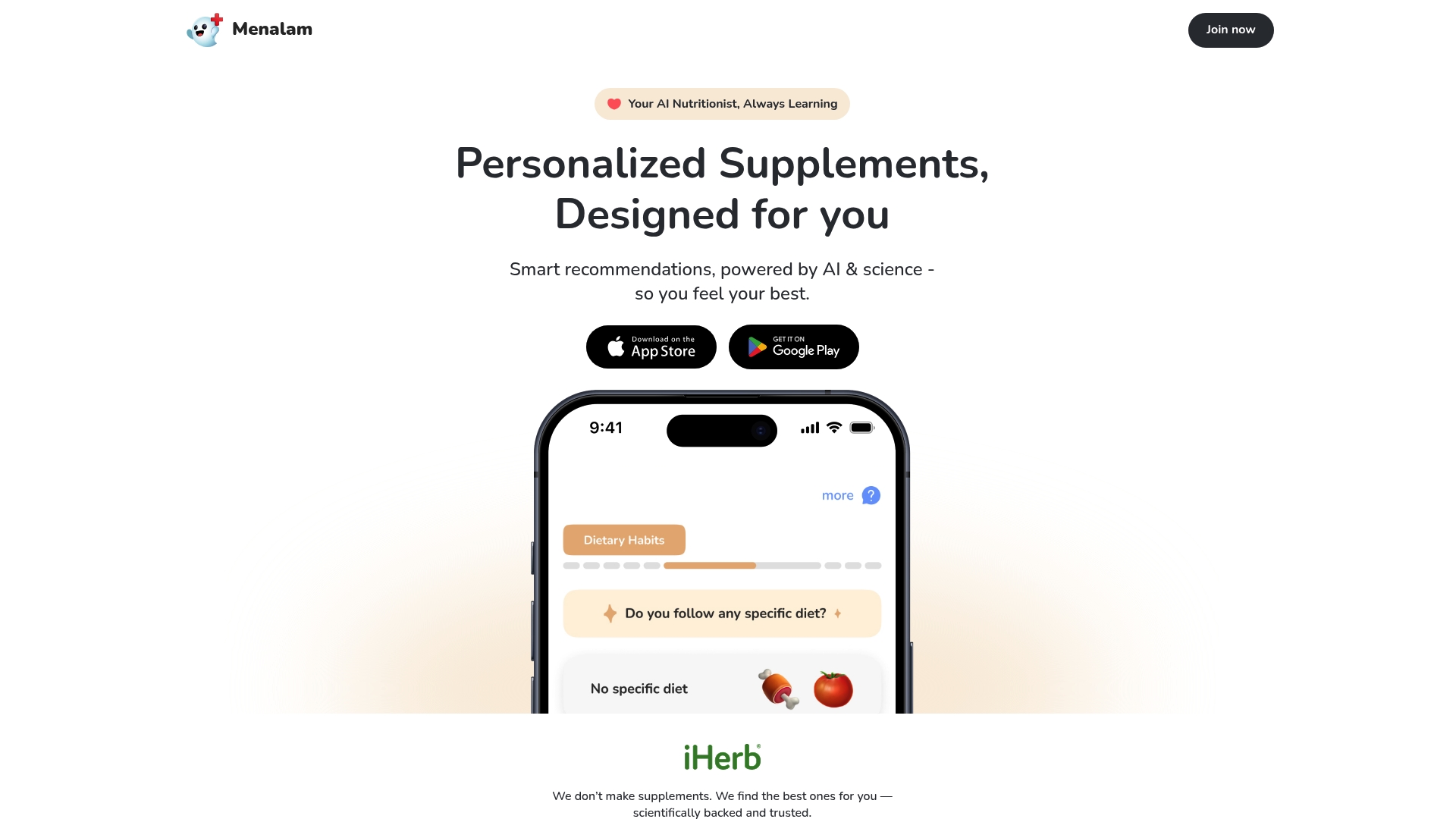
Are you ready to take control of your health? Don’t leave your wellness to chance; let data-driven insights guide your supplement journey. Experience the transformative power of personalized nutrition today at Menalam, and step into a healthier, more vibrant self—starting now!
Leave a Reply