

The world of vitamins can be a maze—studies suggest that nearly 75% of Americans take some type of supplement. But here’s the kicker: most of these don’t have strong scientific backing. It turns out, many people are investing in products based on hype rather than evidence. Science-backed vitamins, on the other hand, are backed by rigorous research indicating their health benefits, filling vital nutritional gaps while supporting essential bodily functions. Curious about how you can differentiate between effective supplements and mere marketing claims? Let’s dive into the science that truly supports better health.
What Are Science-Backed Vitamins?
Science-backed vitamins are nutritional supplements that have substantial research supporting their efficacy and health benefits. Unlike trendy supplements with questionable claims, science-backed vitamins have undergone rigorous testing through clinical trials and peer-reviewed studies to verify their effects on human health. These evidence-based supplements provide essential nutrients that your body needs but may not get enough of through diet alone.
The Foundation of Evidence-Based Supplementation
The world of supplements can be overwhelming. Walk into any health store and you’ll find shelves packed with colorful bottles promising everything from enhanced energy to improved cognitive function. But how do you separate fact from fiction?
Science-backed vitamins stand on a foundation of research and clinical evidence. According to Howard D. Sesso, associate director of the division of preventive medicine at Brigham and Women’s Hospital, “Vitamins and minerals work in wild and wondrous ways, some of which we understand, many of which we’re still trying to understand.” This highlights both what we know and the ongoing research into these essential nutrients.
Humans require approximately 30 vitamins and minerals for proper bodily function. These nutrients are crucial for processes ranging from energy production to immune system function and bone health. Understanding which supplements have scientific backing helps you make informed decisions about your health regimen.
Key Differences Between Vitamin Types
Not all vitamins function the same way in your body. There are two main categories:
- Fat-soluble vitamins (A, D, E, and K) are stored in fatty tissue and the liver. They require dietary fat for optimal absorption and can remain in your body for days or even months.
- Water-soluble vitamins (B-complex and C) dissolve in water and generally aren’t stored in the body. These nutrients typically need to be replenished daily.
Understanding this distinction is vital when determining your supplement regimen. For instance, taking fat-soluble vitamins with a meal containing healthy fats enhances absorption, while water-soluble vitamins may need more frequent dosing.
Personalization: The Future of Supplementation
The science of vitamin supplementation is moving beyond one-size-fits-all approaches. Research increasingly shows that individual needs vary based on factors including age, sex, diet, lifestyle, geographic location, and genetic makeup.
Personalized supplementation takes into account your unique biochemistry and life circumstances. For example, someone living in northern climates may need more vitamin D during winter months due to limited sun exposure, while pregnant women have different nutritional requirements than other adults.
Modern science-backed vitamin regimens acknowledge these differences and provide targeted support where needed, rather than recommending the same multivitamin for everyone. This evidence-based, personalized approach represents the most effective use of supplements to support your overall health and wellbeing.
Key Takeaways
| Takeaway | Explanation |
|---|---|
| Focus on Science-Backed Vitamins | Opt for vitamins that have undergone rigorous testing and have substantial research supporting their efficacy to ensure you are making informed health decisions. |
| Understand Vitamin Types | Distinguish between fat-soluble and water-soluble vitamins to determine how and when to take them for optimal absorption. |
| Personalized Supplementation Is Key | Recognize that individual needs vary based on age, sex, lifestyle, and health status, and choose supplements tailored to your unique nutritional requirements. |
| Evaluate Supplement Quality | Select high-quality supplements by looking for third-party testing and certifications that verify purity, potency, and safety. |
| Integrate Supplements with Lifestyle | Maximize the effectiveness of your supplements by combining them with a balanced diet, proper timing, and addressing factors that affect nutrient absorption. |

Proven Benefits and Research Insights
The value of science-backed vitamins goes beyond marketing claims—robust research demonstrates their concrete health benefits. Understanding these evidence-based advantages helps you make informed decisions about which supplements deserve a place in your daily regimen.
Filling Nutritional Gaps and Supporting Vital Functions
Even with a balanced diet, nutritional gaps can occur due to soil depletion, food processing, cooking methods, and individual absorption issues. Science-backed supplements help bridge these gaps, ensuring your body receives essential nutrients for optimal functioning.
Vitamin D supplementation offers a compelling example of research-backed benefits. Studies consistently show that maintaining adequate vitamin D levels supports bone health by enhancing calcium absorption. Additionally, research indicates vitamin D plays crucial roles in immune function and mood regulation. For many people, especially those in northern climates or with limited sun exposure, supplementation becomes necessary to achieve optimal levels.
B vitamins represent another well-researched category with demonstrated benefits. The B-complex vitamins work synergistically to support cellular energy production, cognitive function, and nervous system health. Research shows that B12 supplementation is particularly important for vegetarians, vegans, and older adults who may struggle with absorption from food sources.
Prevention and Management of Health Conditions
Science-backed vitamins also show promise in preventing or managing specific health conditions. Folate (B9) supplementation before and during pregnancy has been conclusively shown to reduce neural tube defects in developing babies—a finding so significant that many countries mandate folate fortification in certain foods.
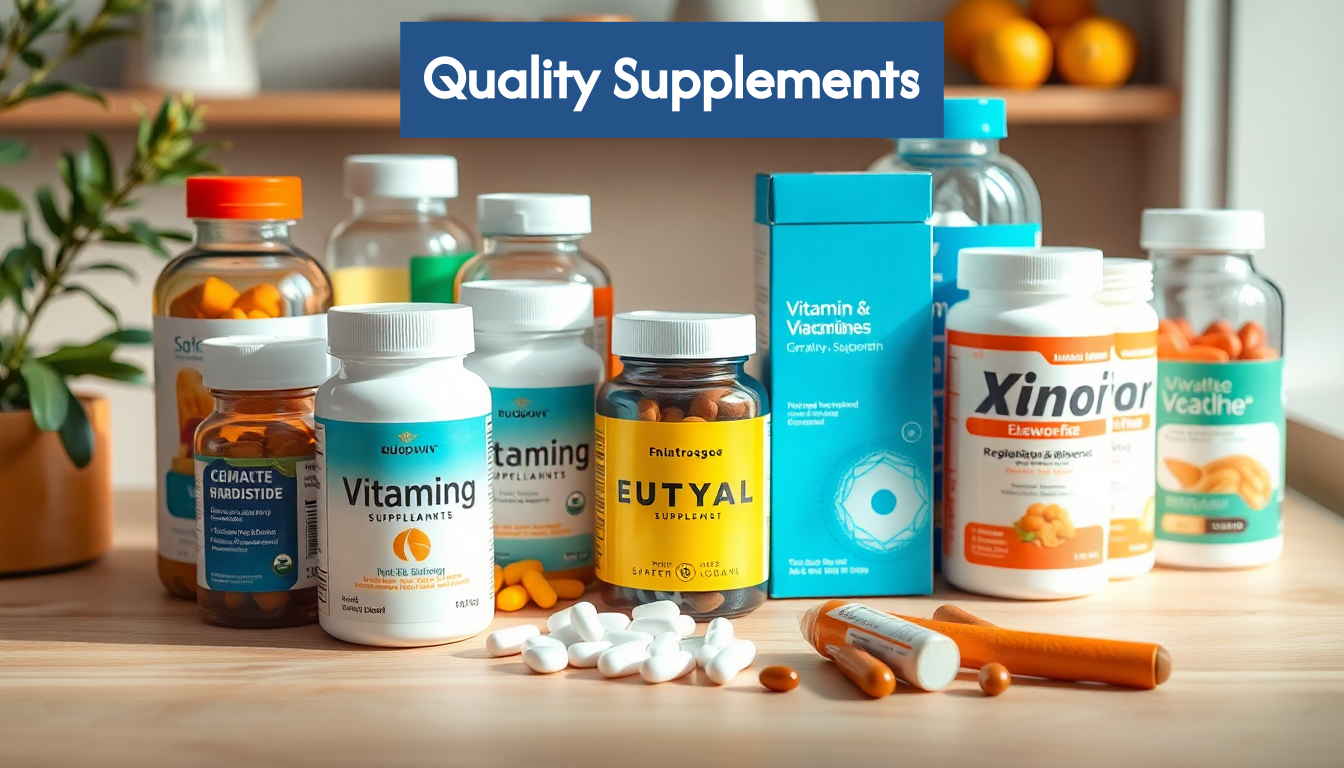
Antioxidant vitamins like C and E have been extensively studied for their role in neutralizing free radicals and reducing oxidative stress. While megadoses haven’t proven beneficial in research, maintaining adequate levels through targeted supplementation helps protect cells from damage and supports immune function.
Omega-3 fatty acids, while not technically vitamins, exemplify science-backed supplementation with consistent research supporting their benefits for heart health. Studies show they help reduce inflammation, lower triglyceride levels, and support overall cardiovascular function—especially important for those who don’t regularly consume fatty fish.
Personalized Benefits Based on Individual Needs
The most compelling research in nutritional science points toward personalization. Your specific supplement needs depend on numerous factors including age, sex, genetic makeup, health status, and lifestyle.
For instance, research clearly shows that women of childbearing age benefit from iron supplementation to prevent deficiency anemia, while men and postmenopausal women typically need less iron. Calcium and magnesium needs vary throughout life, with higher requirements during growth periods and later years when bone density becomes a concern.
Athletes and highly active individuals have demonstrated benefits from specific supplementation protocols. Research shows increased needs for certain nutrients that support energy production, muscle recovery, and immune function during periods of intense training.
The science of vitamins continues evolving, with research increasingly focusing on bioavailability, optimal dosing, and synergistic relationships between nutrients. This growing body of evidence helps refine recommendations, moving away from one-size-fits-all approaches toward truly personalized supplement regimens that address your unique health profile and goals.
How to Choose Quality Supplements
With thousands of supplements flooding the market, selecting high-quality science-backed vitamins requires careful consideration. Not all supplements are created equal, and the difference between premium and substandard products can significantly impact their safety and effectiveness.
Look Beyond Marketing Claims
Supplements aren’t held to the same rigorous standards as pharmaceutical drugs, creating a marketplace where quality varies dramatically. Don’t be swayed by attractive packaging or bold claims. Instead, focus on objective measures of quality and efficacy.
Start by examining the supplement facts panel. High-quality supplements clearly list active ingredients with precise amounts. Be wary of proprietary blends that don’t disclose individual ingredient quantities—this lack of transparency makes it impossible to verify if therapeutic doses are present.
Pay attention to the forms of vitamins and minerals used. Science-backed supplements utilize bioavailable forms that your body can efficiently absorb and utilize. For example, methylcobalamin (B12) is generally better absorbed than cyanocobalamin, and calcium citrate is more easily utilized than calcium carbonate, especially for those with low stomach acid.
Third-Party Testing and Quality Certifications
Reputable supplement companies invest in third-party testing to verify the purity, potency, and safety of their products. A 2022 study found that 17 out of 30 immune health products on a major online marketplace had inaccurate labels, 13 were misbranded, and 9 contained unlisted ingredients. This highlights why independent verification is crucial.
Look for these quality indicators:
- USP Verified Mark: The United States Pharmacopeia verifies ingredient quality, quantity, and manufacturing processes
- NSF Certification: Confirms products meet strict standards for quality, safety, and label accuracy
- GMP Certification: Good Manufacturing Practices ensure consistent production standards
- Certificate of Analysis (COA): Documents confirming product testing for purity and potency
Companies that prioritize quality will typically make these certifications easily accessible on their websites or product packaging.
Evaluate Manufacturing Standards and Company Reputation
The reputation of the company producing the supplement offers valuable insights into product quality. Research the manufacturer’s history, scientific credentials, and commitment to transparency. Companies with in-house research teams or collaborations with academic institutions often produce higher-quality, science-backed products.
Consider how long the company has been in business. While new doesn’t necessarily mean inferior, established companies with solid track records have demonstrated their commitment to quality over time. Look for brands that publish their research or cite specific studies supporting their formulations.
Beware of companies making claims that sound too good to be true. Legitimate science-backed supplements will make measured claims supported by research rather than promising miracle results.
Dosage and Bioavailability Considerations
Science-backed supplements provide nutrients in therapeutic dosages—amounts shown in research to produce the desired health benefits. Suboptimal doses may save manufacturers money but fail to deliver results. Conversely, some supplements contain excessive doses that exceed safety thresholds and may cause adverse effects.
Bioavailability—how well your body can absorb and utilize a nutrient—represents another critical factor. Quality supplements incorporate delivery systems that enhance absorption. This might include lipid-based delivery for fat-soluble vitamins or specific mineral chelations that improve uptake.
Remember that the most effective supplement regimen is tailored to your individual needs. Work with healthcare providers to identify which specific nutrients would benefit you based on your health status, diet, lifestyle, and any existing conditions. This personalized approach, combined with selecting high-quality products, provides the foundation for truly effective supplementation.
Daily Tips for Vitamin Intake
Even the highest quality science-backed vitamins won’t deliver optimal benefits if taken incorrectly. Maximizing the effectiveness of your supplement regimen involves more than just swallowing pills—timing, combinations, and lifestyle factors all play crucial roles in nutrient absorption and utilization.
Timing Matters: When to Take Different Supplements
The timing of your supplement intake can significantly impact absorption and effectiveness. Different vitamins have distinct optimal timing windows based on their properties and interactions:
Fat-soluble vitamins (A, D, E, and K) should be taken with meals containing healthy fats. Your body needs dietary fat to properly absorb these nutrients. Taking your vitamin D supplement with breakfast that includes avocado, nuts, or yogurt can enhance absorption compared to taking it on an empty stomach.
Water-soluble vitamins like B-complex and vitamin C can generally be taken any time of day, but morning consumption often works best. Since these vitamins provide energy support, taking them early may complement your body’s natural rhythms. Additionally, vitamin C is mildly stimulating for some people, so evening consumption might disrupt sleep.
Minerals have specific timing considerations. Iron supplements are best absorbed on an empty stomach but may cause digestive discomfort for some people. Calcium and magnesium supplements often work well taken in divided doses, with calcium earlier in the day and magnesium in the evening, where it may provide additional relaxation benefits.
Optimizing Absorption Through Strategic Combinations
Some nutrients work synergistically, while others compete for absorption. Understanding these interactions helps you organize your supplement routine effectively.
Beneficial combinations include:
- Vitamin D with calcium (improves calcium absorption)
- Vitamin C with iron (enhances iron uptake)
- B vitamins taken together (work synergistically)
Combinations to separate include:
- Calcium and iron (compete for absorption pathways)
- Zinc and copper (high doses of one can reduce absorption of the other)
- Some probiotics and antibiotics (timing should be separated by several hours)
Research shows that taking certain nutrients together can significantly improve their effectiveness, particularly when addressing specific health concerns. For example, vitamin D and calcium work together for bone health, while B-complex vitamins function as a team to support energy metabolism.
Integration with Diet and Lifestyle
Supplements work best as part of a comprehensive approach to nutrition and well-being. Consider these practical strategies for maximizing benefits:
Pair supplements with complementary foods. For example, taking your iron supplement with orange juice or other vitamin C-rich foods enhances absorption. Similarly, probiotic supplements may be more effective when taken alongside prebiotic-rich foods like bananas, onions, or garlic.
Stay consistent with timing. Your body responds well to routines. Taking supplements at approximately the same time each day helps maintain steady nutrient levels and reduces the chance of forgetting doses.
Address underlying absorption issues. Factors like stress, inadequate sleep, and poor digestive health can impair nutrient absorption regardless of supplement quality. Support your digestive system through stress management techniques, adequate hydration, and potential inclusion of digestive enzymes if needed.
Consider medication interactions. Certain medications can affect vitamin absorption or function. Common examples include acid-reducing drugs interfering with B12 absorption and some statins affecting CoQ10 levels. Always inform your healthcare provider about your supplement regimen to identify potential interactions.
Remember that science-backed vitamins serve as supplementary support to—not replacements for—a nutrient-dense diet. The most effective approach combines strategic supplementation with a foundation of whole foods, adequate hydration, regular physical activity, and stress management. This integrated approach delivers far greater benefits than relying on supplements alone, regardless of their quality.
Risks and Myths Uncovered
While science-backed vitamins offer substantial benefits when used appropriately, misconceptions abound in the supplement world. Understanding both the potential risks and separating fact from fiction helps you make informed decisions about your supplement regimen.
Common Misconceptions About Supplements
The supplement industry thrives partly on widespread myths that can lead consumers astray. Let’s examine some of the most persistent misconceptions:
Myth 1: “Natural” always means safe and effective.
Many consumers equate “natural” with safety, but this assumption can be dangerous. Naturally-occurring substances can be just as potent—and potentially harmful—as synthetic ones. Herbs like comfrey and kava have natural origins but carry significant liver toxicity risks when misused. Science-backed supplementation focuses on evidence of safety and efficacy rather than natural origins alone.
Myth 2: More is always better.
Exceeding recommended dosages rarely improves outcomes and often increases risks. Fat-soluble vitamins (A, D, E, K) can accumulate to toxic levels when taken in excess. Even water-soluble vitamins like B6 can cause nerve damage at high doses. The scientific approach emphasizes optimal, not maximum, intake.
Myth 3: Everyone needs the same supplements.
Despite marketing suggesting universal benefits, research clearly shows that supplementation needs vary dramatically between individuals. Factors like age, sex, diet, lifestyle, geographic location, genetic makeup, and health status all influence which supplements might benefit you—and which might be unnecessary or even counterproductive.
Myth 4: Supplements can replace a healthy diet.
No supplement regimen, no matter how comprehensive, can substitute for the complex nutritional matrix found in whole foods. Fruits, vegetables, and other whole foods contain thousands of phytonutrients, fiber, and compounds that work synergistically in ways science is still discovering—benefits that isolated supplements cannot replicate.
Potential Risks and Considerations
Even science-backed vitamins carry certain risks that deserve attention:
Interaction with medications represents one of the most significant concerns. Certain supplements can enhance, diminish, or alter the effects of prescription medications. For example, vitamin K can reduce the effectiveness of blood thinners like warfarin, while St. John’s Wort interacts with numerous medications including antidepressants and birth control pills. Always discuss your supplement regimen with healthcare providers to identify potential interactions.
Quality and contamination issues persist in the supplement industry. Without the same rigorous oversight applied to pharmaceuticals, supplements may contain undeclared ingredients, contaminants, or inaccurate amounts of active components. This underscores the importance of choosing products from reputable manufacturers that employ third-party testing.
Pre-existing health conditions can create specific risks. People with certain medical conditions need to approach supplementation cautiously. Those with kidney disease, for instance, may need to avoid high-dose mineral supplements, while individuals with hemochromatosis (iron overload) should typically avoid iron supplements altogether.
The Science-Based Approach to Supplementation
Navigating the complex world of supplements requires a balanced, evidence-based perspective. Science-backed supplementation acknowledges both potential benefits and limitations. Rather than making sweeping claims, it recognizes the nuanced relationship between nutrients and health.
The most scientifically sound approach to supplementation involves:
- Identifying specific nutritional needs through assessment of diet, lifestyle, and when appropriate, testing
- Targeting supplementation to address identified deficiencies or support specific health goals
- Selecting high-quality products with demonstrated bioavailability
- Monitoring for both benefits and adverse effects
- Adjusting the regimen as needs change
This measured approach stands in stark contrast to indiscriminate supplement use driven by marketing claims rather than scientific evidence. By understanding both the promises and limitations of supplementation, you can make choices that genuinely support your health while avoiding unnecessary risks and expenses.
Remember that science-backed supplementation is just one component of a comprehensive approach to wellness that includes nutrient-dense foods, regular physical activity, stress management, and adequate sleep. This integrated perspective offers the most substantial and sustainable health benefits.
Frequently Asked Questions
What are science-backed vitamins?
Science-backed vitamins are nutritional supplements that have substantial research supporting their efficacy and health benefits. They have undergone rigorous testing and clinical trials to verify their effects on human health.
How can I choose high-quality supplements?
Select high-quality supplements by examining the supplement facts panel for active ingredients, looking for third-party testing and certifications, and researching the manufacturer’s reputation for transparency and safety.
What is the difference between fat-soluble and water-soluble vitamins?
Fat-soluble vitamins (A, D, E, and K) are stored in fatty tissue and require dietary fat for absorption, while water-soluble vitamins (B-complex and C) dissolve in water and need to be replenished more frequently since they are not stored in the body.
Why is personalized supplementation important?
Personalized supplementation is important because individual nutrient needs vary based on factors like age, sex, diet, lifestyle, and health status. Tailoring supplements to these unique needs enhances their effectiveness and supports optimal health.
Unlock Your Personalized Path to Optimal Health!
Are you tired of sifting through countless vitamins and supplements, unsure which ones are truly backed by science and best fit your unique needs? The journey to better health shouldn’t be a puzzle. With Menalam, we take the guesswork out of supplementation by leveraging artificial intelligence that tailors recommendations specifically for you. Imagine a digital nutritionist by your side, guiding you towards the vitamins that effectively fill those nutritional gaps and support critical bodily functions—as emphasized in our article on science-backed vitamins.
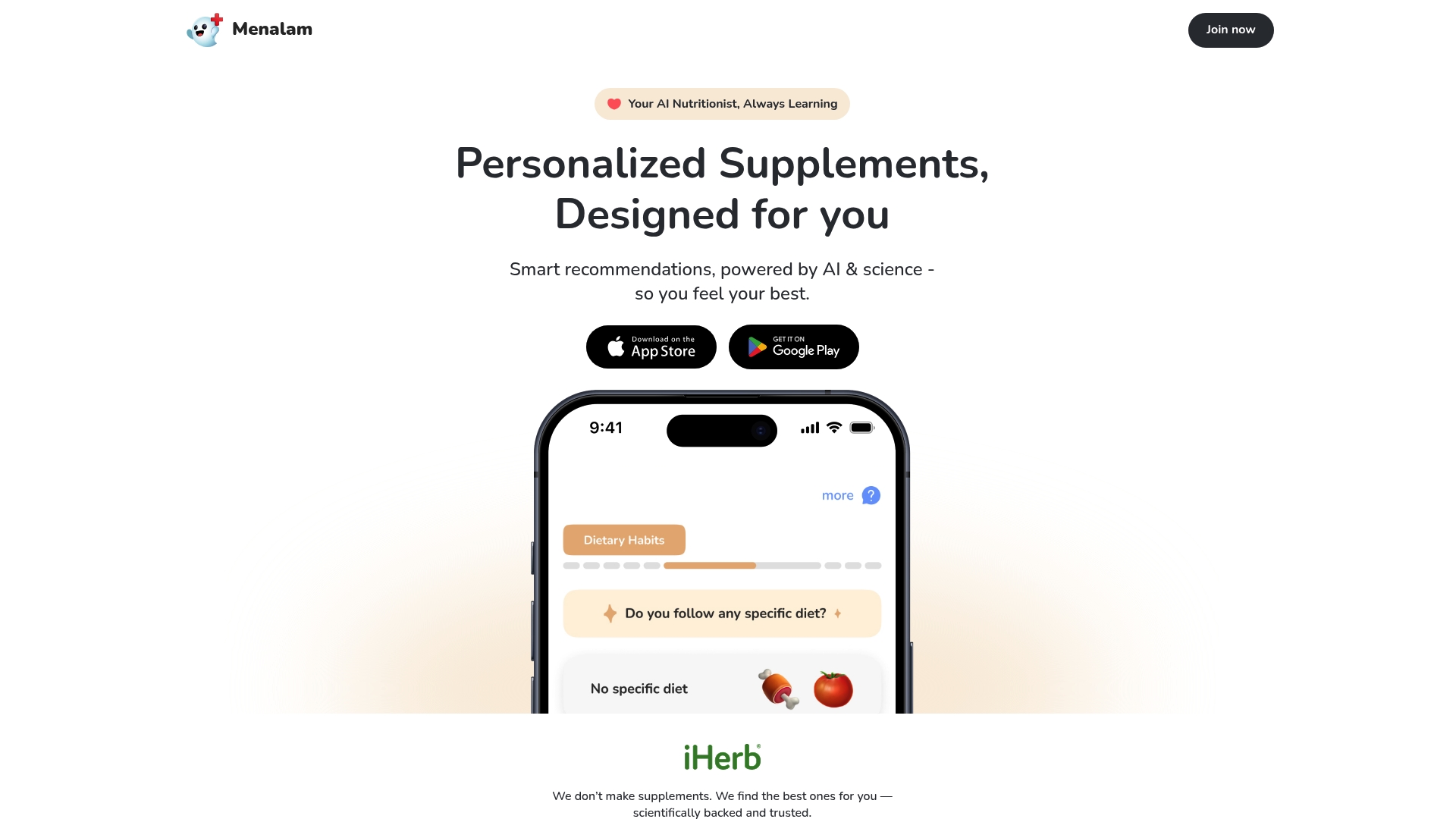
Ready to take control of your health? By answering a quick health quiz at Menalam, you can receive a customized supplement plan designed just for you. Not only will you discover scientifically validated vitamins, but our platform also allows for ongoing adjustments based on your progress along with integration of your health data and blood test results. Don’t wait to experience the benefits of personalized nutrition—start your journey with Menalam today and transform your health regimen!
Leave a Reply