

The timing of your supplements can make or break their effectiveness—research shows that absorption can vary wildly based on when you take them. But here’s the kicker: most people are unaware that merely shifting the time of day they take their vitamins could amplify their benefits significantly. Imagine improving your energy, mood, and even your workout results just by being strategic about when you pop that supplement. It’s time to rethink how you schedule your health routine.
Science Behind Supplement Timing
Understanding the science behind the timing of supplements can dramatically improve their effectiveness. Your body’s absorption capabilities, metabolic processes, and circadian rhythms all play crucial roles in how well supplements deliver their intended benefits.
Bioavailability and Absorption Factors

Bioavailability refers to how much of a supplement actually makes it into your bloodstream for use. This crucial factor varies significantly depending on when you take your supplements. Fat-soluble vitamins (A, D, E, and K) are better absorbed when taken with meals containing healthy fats, as these nutrients require fat for proper absorption. Studies show that vitamin D absorption can increase by up to 50% when taken with the largest meal of the day compared to on an empty stomach.
Water-soluble vitamins like B complex and vitamin C, however, can be taken without food. These vitamins dissolve in water and are generally absorbed more efficiently on an empty stomach. The body doesn’t store most water-soluble vitamins, meaning timing these supplements to maintain consistent blood levels becomes even more important.
According to research on brain supplement timing, our natural circadian rhythm significantly impacts cognitive function throughout the day, which directly affects how certain supplements work. Morning is often optimal for supplements designed to enhance focus and alertness, as they complement your body’s natural energy patterns.
Nutrient Competition and Synergy
Many people don’t realize that certain minerals and vitamins compete for absorption when taken together. Calcium and iron, for example, use similar absorption pathways in the intestines. Taking these supplements simultaneously can reduce the absorption of both. This competition means spacing out certain supplements can significantly improve their effectiveness.
Conversely, some nutrients work synergistically. Vitamin D enhances calcium absorption, making them perfect companions. Vitamin C improves iron absorption, creating another beneficial pairing. Understanding these relationships allows you to strategically time your supplements for maximum benefit.
Your digestive system also operates on its own schedule. Stomach acid production tends to be higher in the afternoon and evening, which can affect how certain supplements are broken down and absorbed. Probiotics, for instance, may survive better when taken 30 minutes before meals when stomach acid levels are lower.
Metabolic Timing and Exercise
For active individuals, the timing of supplements relative to exercise creates another important dimension. Protein and amino acid supplements show enhanced effectiveness when consumed within the “anabolic window” – typically within 30-60 minutes after strength training when your muscles are primed for nutrient uptake and repair.
Carbohydrate supplements are most effective when consumed before or during endurance activities lasting longer than 60 minutes. This timing keeps glycogen stores replenished, preventing performance decline. Creatine absorption improves when taken consistently – timing matters less than regular intake for this supplement.
Your hormonal fluctuations throughout the day also influence how supplements are processed. Cortisol, your primary stress hormone, peaks in the morning and gradually decreases throughout the day. Some adaptogenic herbs work better when taken during periods of higher stress to help modulate cortisol levels.
Understanding the science behind supplement timing isn’t just about effectiveness—it’s about optimizing your health investment. By aligning your supplement routine with your body’s natural biological processes, you can maximize benefits while potentially reducing the amounts needed for results.
Key Takeaways
| Takeaway | Explanation |
|---|---|
| Optimal Timing Enhances Absorption | Timing your supplements according to their type—fat-soluble vitamins with meals and water-soluble vitamins on an empty stomach—can significantly improve their bioavailability and effectiveness. |
| Prevent Nutrient Competition | Space out supplements like calcium and iron that compete for absorption to ensure better effectiveness of both. Meanwhile, pair synergistic nutrients like vitamin D with calcium for enhanced benefits. |
| Morning Routine Is Key for Energy | Taking B-complex vitamins, vitamin C, and probiotics in the morning optimizes energy metabolism and immune support while ensuring better absorption. |
| Post-Workout Nutrition Matters | Consume protein and fast-digesting carbohydrates within 1-2 hours post-exercise to maximize recovery and glycogen replenishment. |
| Personalize Your Supplement Schedule | Assess your individual needs and create a tailored supplement schedule to align with your health goals and lifestyle, considering potential interactions with medications. |
Optimal Timing for Daily Vitamins
Knowing exactly when to take your daily vitamins can significantly enhance their effectiveness and reduce potential side effects. Your body’s natural rhythms and digestive patterns create ideal windows for different supplements throughout the day.
Morning Supplements: Start Your Day Right
The morning offers an excellent opportunity for certain supplements that can energize your body and prepare you for the day ahead. B-complex vitamins are ideal morning supplements as they support energy metabolism and can help maintain alertness throughout the day. Taking B vitamins on an empty stomach in the morning helps maximize absorption and provides energy when you need it most.
Vitamin C is another excellent morning supplement. It can help boost your immune system at the start of your day and is water-soluble, meaning it doesn’t require food for absorption. Some studies suggest that taking vitamin C in the morning may help improve iron absorption if you’re consuming iron-rich foods at breakfast.
Probiotics also perform well when taken first thing in the morning, about 30 minutes before eating. This timing allows the beneficial bacteria to pass through your stomach when acid levels are lower, increasing their chances of surviving the journey to your intestines where they’re needed.
According to pharmacist recommendations, iron supplements are best absorbed on an empty stomach, making mornings ideal. However, since iron can cause stomach upset for some people, taking it with a small amount of food or later in the day might be necessary if you experience discomfort.
Mealtime Supplements: Maximizing Absorption
Many vitamins and minerals are best taken with meals to maximize their absorption and minimize digestive discomfort. Fat-soluble vitamins (A, D, E, and K) should be taken with your largest meal containing fat, as they require dietary fat for proper absorption. Without fat present, your body may only absorb a fraction of these important nutrients.
Mineral supplements like calcium, magnesium, and zinc are generally better absorbed when taken with food. Calcium in particular can be split into smaller doses throughout the day, as your body can only absorb about 500mg at once. Consider taking half your calcium supplement with breakfast and half with dinner for optimal absorption.
Multivitamins, which typically contain a mix of water-soluble and fat-soluble vitamins along with minerals, are generally best taken with a meal containing some fat. This approach represents a compromise that allows for decent absorption of most components. Most people find taking their multivitamin with breakfast works well, though taking it with lunch or dinner is perfectly acceptable if that timing works better for your routine.
Evening Supplements: Supporting Rest and Recovery

Certain supplements are ideally suited for evening consumption because they support relaxation, recovery, or work during sleep. Magnesium is often recommended in the evening because it promotes muscle relaxation and can support quality sleep. Taking magnesium about an hour before bedtime may help calm your nervous system and prepare your body for rest.
Omega-3 fatty acids can be taken any time of day with food, but some people prefer taking them with dinner. This timing may reduce the chance of experiencing the “fishy burps” that sometimes accompany these supplements, as you’re less likely to notice this effect while sleeping.
Melatonin, a popular sleep supplement, should be taken 30-60 minutes before your intended bedtime to help signal to your body that it’s time to sleep. It works with your natural circadian rhythm to promote drowsiness and improve sleep quality.
The most important aspect of supplement timing isn’t perfection but consistency. While optimal timing can enhance effectiveness, taking your vitamins regularly—even if not at the perfect time—will provide more benefit than taking them sporadically or not at all. Establish a routine that works with your lifestyle, as the best supplement schedule is one you can maintain long-term.
Best Practices for Workout Supplements
Timing your workout supplements correctly can significantly impact your athletic performance, recovery, and overall fitness results. Understanding when to take specific performance-enhancing supplements before, during, and after exercise creates a strategic approach to maximizing your training efforts.
Pre-Workout Timing Strategies
The pre-workout window is critical for setting yourself up for an effective training session. Most pre-workout supplements containing caffeine, beta-alanine, and other stimulants work best when taken 20-30 minutes before exercise. This timing allows the ingredients to enter your bloodstream and begin working as you start your workout.
According to fitness experts at NASM, optimal timing for pre-workout supplements is approximately 30 minutes before beginning your exercise routine, allowing the active ingredients to reach peak effectiveness as you start training. This careful timing ensures you experience the performance-enhancing benefits precisely when you need them most.
Creatine, one of the most well-researched workout supplements, doesn’t necessarily need to be taken immediately before workouts. What matters most with creatine is consistency—taking it daily to maintain muscle saturation levels. However, some research suggests taking creatine post-workout may slightly enhance its effects by capitalizing on increased blood flow to muscles.
Branched-chain amino acids (BCAAs) can be beneficial when taken 15-30 minutes before training, especially if you’re working out in a fasted state. These amino acids help protect against muscle breakdown during intense exercise and may improve endurance performance by reducing exercise-induced fatigue.
Intra-Workout Nutrition Timing
During longer training sessions lasting more than 60 minutes, intra-workout supplementation becomes increasingly important. Carbohydrate supplements like dextrose or highly branched cyclic dextrin can help maintain blood glucose levels and prevent performance decline during extended exercise sessions.
The ideal approach for intra-workout supplements is to sip them continuously throughout your training rather than consuming them all at once. This method maintains a steady stream of nutrients to working muscles and helps sustain energy levels throughout your entire workout.
Electrolyte supplements are particularly beneficial during high-intensity or long-duration exercise that causes significant sweating. Replacing lost sodium, potassium, and magnesium during your workout helps prevent dehydration and associated performance decreases. For most athletes, beginning electrolyte supplementation after about 45-60 minutes of intense exercise is optimal.
Post-Workout Recovery Window
The post-workout period represents a crucial opportunity for recovery supplementation. The traditional “anabolic window” concept suggests taking protein within 30 minutes after exercise for optimal muscle protein synthesis. While research now shows this window is wider than previously thought, consuming protein within 1-2 hours post-workout remains a good practice, especially if you haven’t consumed protein before training.
Protein timing post-workout is particularly important if you’re training fasted or haven’t had protein for several hours before exercise. In these cases, consuming 20-40 grams of high-quality protein as soon as possible after training helps jumpstart the muscle recovery process.
Fast-digesting carbohydrates taken alongside protein after workouts can enhance recovery by replenishing glycogen stores and potentially improving protein uptake. The optimal carbohydrate intake post-workout depends on the intensity and duration of your training session, with more intense or longer workouts requiring greater carbohydrate replacement.
Supplement stacking and timing should be personalized based on your specific workout type, timing, and goals. For morning exercisers, pre-workout nutrition becomes especially important since glycogen stores may be depleted after overnight fasting. Evening athletes might need to consider whether stimulant-based pre-workouts will affect sleep quality.
Remember that workout supplements should complement, not replace, a well-designed nutrition plan. Even the best-timed supplements cannot compensate for poor overall nutrition or inadequate calorie intake. The foundation of performance nutrition remains whole foods, with supplements serving as strategic additions to address specific needs or timing challenges.
Finally, be mindful that individual responses to supplements vary significantly. Pay attention to how your body responds to different timing protocols and be willing to adjust based on your personal experience and results. The most effective supplement timing strategy is ultimately the one that works best for your unique physiology and fitness goals.
Pairing Supplements with Meal Times
The relationship between supplements and meals is crucial for maximizing nutrient absorption and minimizing potential digestive discomfort. Understanding when to take vitamins with food or on an empty stomach can dramatically impact their effectiveness and how your body utilizes these nutrients.
Supplements Best Taken With Food
Many supplements benefit from being paired with meals due to enhanced absorption or reduced gastrointestinal side effects. Fat-soluble vitamins (A, D, E, and K) should always be taken with meals containing some healthy fats. When you consume these vitamins alongside dietary fat, your body produces bile and pancreatic enzymes that significantly improve their absorption and utilization.
Mineral supplements often cause stomach irritation when taken on an empty stomach. Calcium, magnesium, zinc, and iron can be particularly problematic, potentially causing nausea, constipation, or stomach pain. According to registered dietitian recommendations, taking minerals with meals can mitigate these uncomfortable digestive issues while maintaining effectiveness.
Fish oil supplements, which provide essential omega-3 fatty acids, should be taken with a meal containing fat. This not only improves absorption but also reduces the notorious “fishy burps” that many people experience. Taking fish oil with your largest meal of the day, especially one containing other healthy fats, maximizes its anti-inflammatory benefits.
Multivitamins generally contain a mix of water-soluble and fat-soluble vitamins along with minerals. Because of this mixed composition, taking your multivitamin with a balanced meal represents the best compromise for overall absorption. Most experts recommend taking multivitamins with breakfast or lunch rather than dinner, as some B vitamins may be energizing and potentially interfere with sleep if taken too late in the day.
Supplements Best Taken Without Food
Some supplements demonstrate better absorption when taken on an empty stomach, at least 30 minutes before eating or two hours after a meal. Iron supplements, when not part of a multivitamin, are actually better absorbed without food—especially when taken with vitamin C to enhance absorption. However, if iron causes stomach upset, the slight decrease in absorption when taking it with food may be worth avoiding the discomfort.
Probiotics work best when taken either 30 minutes before a meal or with a very light meal. This timing helps the beneficial bacteria survive the acidic environment of your stomach, which becomes more acidic during and after meals. Morning is often ideal for probiotic supplementation, as stomach acid levels are naturally lower after the overnight fast.
SAM-e (S-adenosyl-L-methionine), used for joint health and mood support, shows better absorption when taken on an empty stomach. Similarly, L-glutamine, popular for gut health and athletic recovery, is more effectively absorbed without competing with other amino acids from food.
Strategic Meal Pairing for Enhanced Absorption
Beyond simply taking supplements with or without food, the specific composition of your meal can impact nutrient absorption. When taking iron supplements, avoid consuming dairy, calcium-rich foods, coffee, or tea at the same time, as these can inhibit iron absorption. Instead, pair iron with vitamin C-rich foods like citrus fruits or bell peppers to enhance uptake.
Magnesium supplements work particularly well when taken with evening meals. This timing not only supports absorption but also takes advantage of magnesium’s relaxing properties to potentially improve sleep quality. A dinner containing some carbohydrates can further enhance magnesium’s calming effects.
Zinc supplements should be taken with a protein-containing meal but separated from high-calcium foods or supplements. The amino acids in protein can help improve zinc absorption, while calcium can compete with zinc for absorption when taken simultaneously.
B vitamins are generally well-absorbed regardless of food intake, but taking them with breakfast can support energy metabolism throughout the day. If you’re using higher doses of B vitamins for therapeutic purposes, spreading them across meals throughout the day may help maintain more consistent blood levels.
Meal spacing and timing become especially important when taking multiple supplements. Try to separate calcium and iron supplements by at least two hours. Similarly, space out zinc and copper supplements, as they compete for absorption. These spacing strategies prevent nutrient competitions that can reduce the effectiveness of your supplement regimen.
Remember that consistency with supplement timing relative to meals is more important than perfect timing. Establishing a routine that works with your lifestyle—and that you can maintain long-term—will ultimately provide more benefit than sporadically taking supplements at theoretically optimal times.
Creating a Personalized Supplement Schedule
Developing a customized supplement schedule that aligns with your unique health needs, lifestyle, and goals is essential for maximizing benefits. A personalized approach ensures you’re taking the right supplements at the right times while considering potential interactions and your daily routine.
Assessing Your Individual Needs
Before creating your supplement schedule, it’s important to evaluate your specific nutritional requirements. Consider your age, gender, health conditions, diet, activity level, and any medications you’re taking. These factors significantly influence which supplements you might benefit from and when you should take them.
According to health experts at Puritan, consulting with healthcare professionals is a crucial first step. Your doctor, registered dietitian, or nutritionist can help identify nutritional gaps through blood tests and health assessments. This professional guidance can prevent unnecessary supplementation while ensuring you address genuine deficiencies.
Review your diet honestly to identify potential nutritional gaps. If you follow a plant-based diet, you might need vitamin B12, iron, or omega-3 supplements. Those who avoid dairy may benefit from calcium and vitamin D supplementation. Individuals with limited sun exposure often require additional vitamin D regardless of diet.
Consider your health goals as well. Are you looking to support heart health, improve cognitive function, enhance athletic performance, or address specific health concerns? Your objectives will guide which supplements deserve priority in your regimen.
Organizing Your Supplement Schedule
Once you’ve determined which supplements you need, organize them into a logical schedule that maximizes absorption and effectiveness. Start by separating supplements that should be taken with food from those better absorbed on an empty stomach. This basic categorization forms the foundation of your timing strategy.
Create distinct morning, afternoon, and evening routines based on the optimal timing for each supplement. For example:
- Morning routine: Take B-complex vitamins for energy, vitamin D, and probiotics on an empty stomach
- With breakfast: Fat-soluble vitamins (A, E, K), multivitamin, fish oil, and minerals that require food
- Afternoon: Iron with vitamin C (if needed) between meals
- Evening routine: Magnesium, calcium, and zinc with dinner
- Before bed: Supplements supporting sleep like additional magnesium, melatonin, or adaptogens
Consider potential interactions between supplements and medications. Calcium can interfere with thyroid medication absorption, iron can reduce the effectiveness of certain antibiotics, and some supplements may affect blood pressure or blood-thinning medications. Space these out appropriately based on your healthcare provider’s recommendations.
Design your schedule to be practical within your daily routine. The most effective supplement plan is one you can consistently follow. If you struggle to remember multiple daily doses, simplify by consolidating compatible supplements at fewer time points throughout the day.
Implementing and Adjusting Your Plan
Start implementing your supplement schedule gradually rather than introducing everything at once. This methodical approach allows you to monitor how your body responds to each addition and identify any potential side effects or sensitivities.
Use practical tools to maintain consistency with your supplement schedule. Pill organizers with morning, afternoon, and evening compartments help ensure you take the right supplements at the right times. Digital reminders or smartphone apps can provide timely alerts when it’s time to take specific supplements.
Quality matters as much as timing. Choose supplements from reputable manufacturers that undergo third-party testing for purity and potency. Higher-quality supplements often have better bioavailability, meaning your body can utilize the nutrients more effectively regardless of when you take them.
Be prepared to adjust your supplement schedule based on changing circumstances. Seasonal variations (less sun exposure in winter), changes in diet, new medications, or shifts in health status may necessitate modifications to your regimen.
Regularly reassess your supplement needs and schedule effectiveness. What works for you now may need adjustment as your health evolves. Schedule periodic reviews with your healthcare provider to ensure your supplement plan continues to align with your nutritional needs and health goals.
Remember that supplements are meant to complement, not replace, a nutritious diet. Even the most perfectly timed supplement routine cannot compensate for poor dietary choices. Focus on obtaining nutrients from whole foods first, with supplements filling specific gaps in your nutritional intake.
By taking a thoughtful, personalized approach to supplement timing and consistently following your customized schedule, you’ll maximize the potential benefits of your supplements while minimizing waste and potential side effects.
Frequently Asked Questions
What is the best time to take water-soluble vitamins?
Water-soluble vitamins, such as B-complex and vitamin C, are most effectively absorbed when taken on an empty stomach. It’s recommended to take them in the morning before meals for optimal benefits.
When should I take fat-soluble vitamins?
Fat-soluble vitamins like A, D, E, and K should be taken with meals that contain healthy fats. This helps enhance their absorption, maximizing their health benefits.
How do I avoid nutrient competition when taking supplements?
To prevent nutrient competition, space out supplements that compete for absorption, such as calcium and iron, by at least two hours. This strategic timing allows each supplement to be absorbed more effectively.
What are the benefits of timing workouts with supplements?
Taking workout supplements, such as protein or amino acids, around your training sessions enhances their effectiveness. Consuming them shortly before or after exercising optimizes muscle recovery and nutrient uptake.
Unlock Your Personalized Supplement Routine for Optimal Health!
Imagine transforming your health journey by scheduling your supplements with precision—leveraging the insights from The Ultimate Guide to Timing of Supplements for Better Health! Are you feeling overwhelmed by conflicting supplement advice or lost in the maze of absorption timings? Menalam can guide you! With our innovative AI-driven platform, we provide truly personalized supplement recommendations tailored to your unique health profile, lifestyle, and dietary preferences.
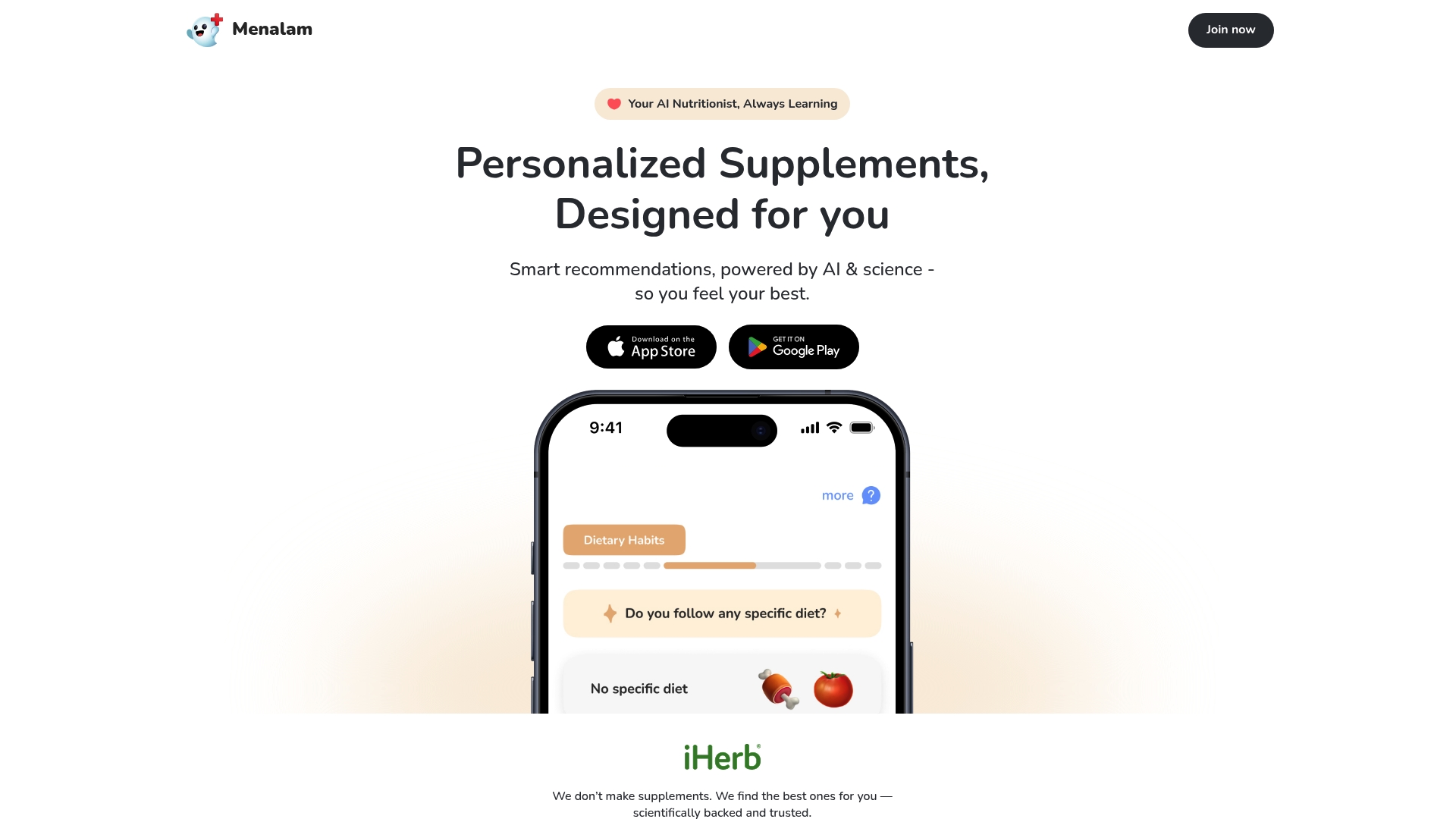
Don’t let nutrient competition or ineffective timing hinder your wellness goals any longer. With Menalam, you’ll receive smart reminders for your supplement intake, real-time health tracking via our mobile app, and ongoing adjustments to your plan based on your progress. 💪
Ready to elevate your nutrition game? Start by taking our quick health quiz today at Menalam and unlock the key to smarter supplement timing that works just for you! Why wait to experience enhanced energy and improved health? Let us define your path to optimal wellness now!
Leave a Reply