
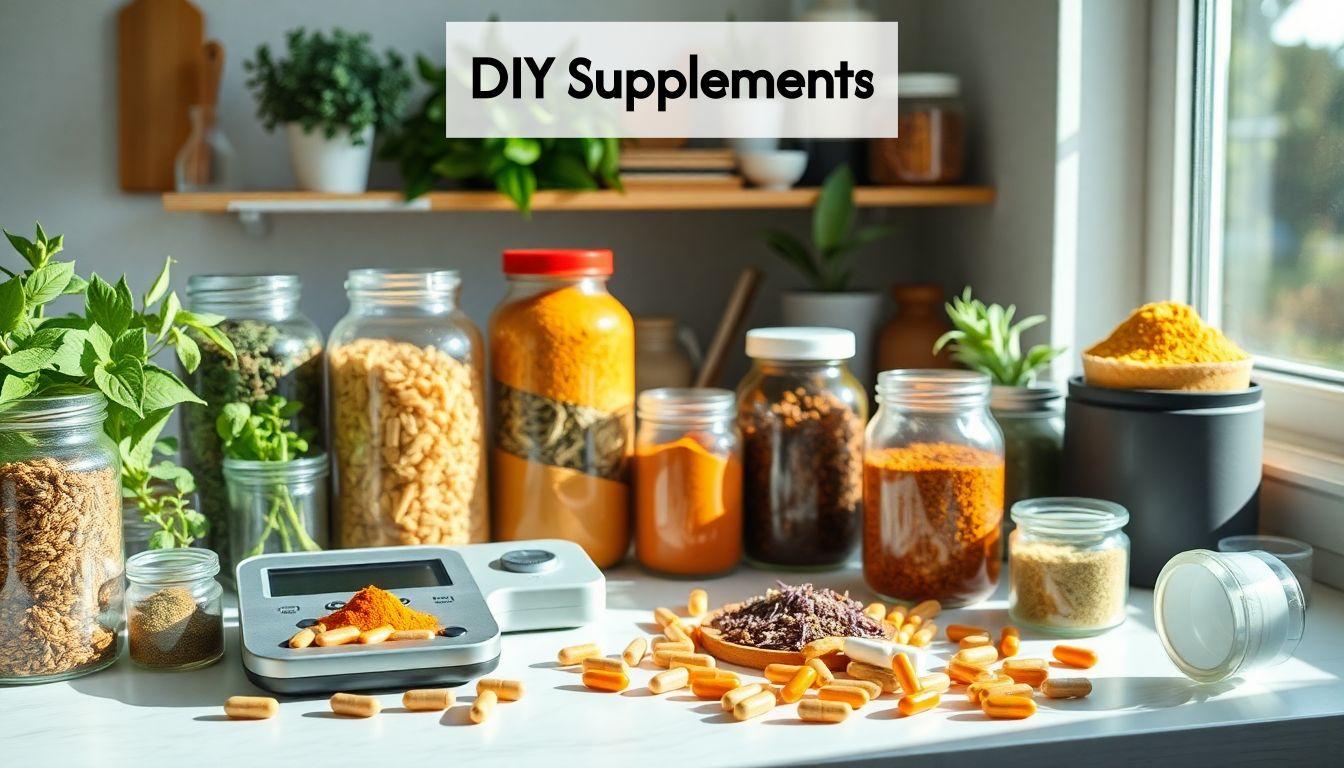
In a world where over 95% of people struggle with nutritional deficiencies, the surge in the supplement industry is both staggering and concerning. But here’s the twist—the mass-produced options may be more about profit than your health. By making your own supplements, you not only sidestep low-quality fillers but also gain the freedom to tailor your intake to your specific needs. This DIY approach could revolutionize how you support your health.
Understanding the Basics of Supplements
Before diving into making your own supplements, it’s essential to understand what supplements actually are and why they’ve become so important in modern health regimens. Supplements are products designed to deliver nutrients that might be missing from your diet, including vitamins, minerals, herbs, amino acids, and enzymes. They come in various forms such as tablets, capsules, powders, and liquids.
Why Consider Making Your Own Supplements?
The supplement industry has exploded into a multi-billion dollar market, but with this growth comes concerns about quality, effectiveness, and transparency. According to research cited by health experts, over 95% of the world’s population experiences health problems, with nutritional deficiencies playing a significant role. This widespread malnutrition stems from several factors including nutrient-depleted soils, food processing methods, and modern lifestyle habits.
By making supplements at home, you gain several advantages:
- Complete control over ingredients, ensuring no fillers or unwanted additives
- Cost savings compared to premium commercial products
- The ability to customize formulations to your specific needs
- Freshness and potency you can verify firsthand
Essential Knowledge Before Starting
Before creating your own supplements, you need to understand some fundamentals about supplement safety and efficacy. DIY supplement making isn’t about randomly mixing ingredients – it’s a methodical process that requires research and precision.
First, understand that supplements aren’t regulated by the FDA in the same way as pharmaceuticals. This places greater responsibility on you to ensure safety when making supplements at home. Research each ingredient thoroughly, including potential interactions with medications you may be taking.
Second, recognize that supplement needs are highly individual. What works for one person may not work for another. Consider your specific health goals, dietary patterns, age, gender, and any existing conditions before formulating your supplements.
Third, quality matters tremendously. When sourcing ingredients for making your own vitamins or supplements, opt for pharmaceutical or food-grade materials from reputable suppliers. The purity of raw ingredients will directly impact the safety and effectiveness of your final product.
Lastly, DIY supplements are not a replacement for professional medical advice. While making supplements at home can be rewarding and beneficial, always consult healthcare professionals about your specific nutritional needs, especially if you have underlying health conditions.
Armed with this foundational knowledge, you’re ready to begin exploring the exciting world of DIY supplement creation – a practice that puts you in control of what goes into your body and how you support your health goals.
Key Takeaways
| Takeaway | Explanation |
|---|---|
| Control Over Ingredients | Making your own supplements allows you to choose quality ingredients, ensuring no fillers or unwanted additives are included in your formulations. |
| Research is Essential | Adequate knowledge about individual health needs and the properties of chosen ingredients is critical for formulating effective supplements. |
| Safety and Compliance | Maintaining a clean workspace and following safety protocols is vital, as there is no regulatory oversight like the FDA for home-based supplement creation. |
| Proper Storage Practices | Store finished supplements in airtight containers and label them correctly to ensure potency and safety over their shelf life. |
| Consult Professionals | Always consult healthcare professionals regarding dietary supplements, especially if you have health conditions or take medications, for personalized advice and safety. |
Easy Guide to Making Supplements: Step-by-Step DIY Process
Creating your own supplements at home is not only satisfying but also gives you complete control over what goes into your body. With the right approach, making supplements can be straightforward, cost-effective, and tailored to your specific health needs. Let’s break down the process into manageable steps.
Gathering Your Materials and Ingredients
Before you begin making your own vitamins and supplements, you’ll need to collect the necessary equipment and high-quality ingredients:
- Capsule filling machine – A 100-hole manual capsule filler is perfect for beginners and can be purchased online for $20-30
- Empty capsules (size 00 is standard, but sizes range from 000 to 5)
- Digital scale that measures in milligrams
- Supplement powders of your choice
- Mixing bowls and utensils (stainless steel preferred)
- Storage containers (dark glass bottles work best)
- Labels and marker
- Optional: Masks and gloves for handling fine powders
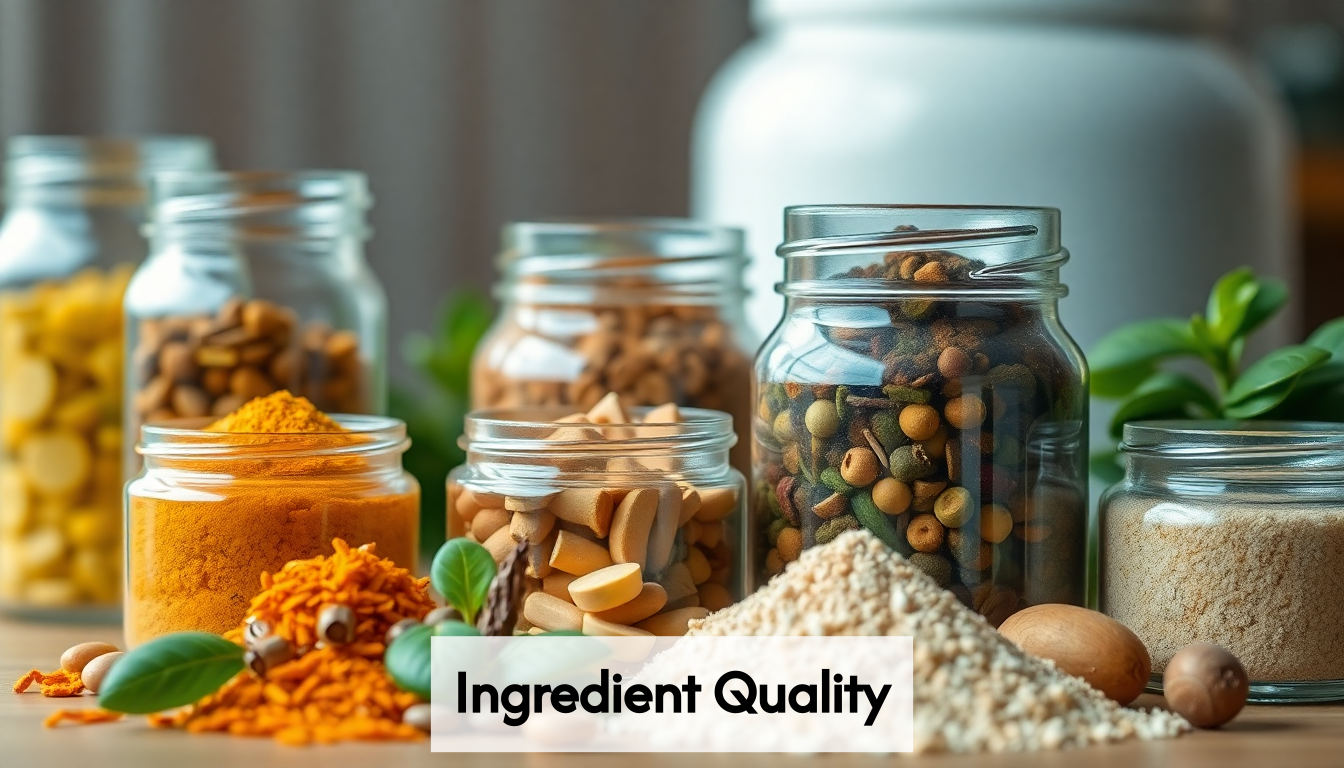
When selecting ingredients for your DIY supplements, prioritize quality. According to research from Supliful, creating your own supplement blends allows for complete control over ingredients, ensuring purity and the ability to cater to specific health needs. Purchase from reputable suppliers that provide certificates of analysis and opt for pharmaceutical or food-grade materials.
Formulating Your Supplement
Developing a formula is perhaps the most crucial step in making supplements at home. This requires research and careful consideration:
First, determine your health goals. Are you looking to increase protein intake, boost immunity, or address a specific nutritional gap? Your goals will guide your ingredient selection.
Next, research appropriate dosages for each ingredient. This information can be found in scientific literature, recommended daily allowances (RDAs), and by consulting with healthcare professionals. Never exceed recommended dosages, as some nutrients can be harmful in excess.
Consider ingredient interactions as well. Some compounds work synergistically (like vitamin D and calcium), while others may interfere with each other’s absorption (iron and calcium, for example).
A simple starter formula might be a vitamin C supplement with rose hips, or a turmeric supplement with black pepper extract to enhance absorption. Begin with straightforward formulations before attempting more complex blends.
The Encapsulation Process
Once your formula is ready, it’s time to create your capsules:
- Set up your workspace in a clean, dry area with minimal airflow to prevent powder dispersion
- Separate your empty capsules into tops and bottoms
- Place the capsule bottoms into your filling machine
- Weigh your supplement powder according to your formula
- Spread the powder evenly across the capsule tray
- Use the spreading tool to fill all capsules evenly
- Place the capsule tops onto the machine and press down to close all capsules
- Remove completed capsules and inspect for proper closure
The beauty of making your own supplements is the precision it offers. With a digital scale and careful measuring, you can create exact doses tailored to your needs – something that’s particularly valuable for those with specific health requirements.
Storing and Labeling
Proper storage extends the shelf life of your homemade supplements:
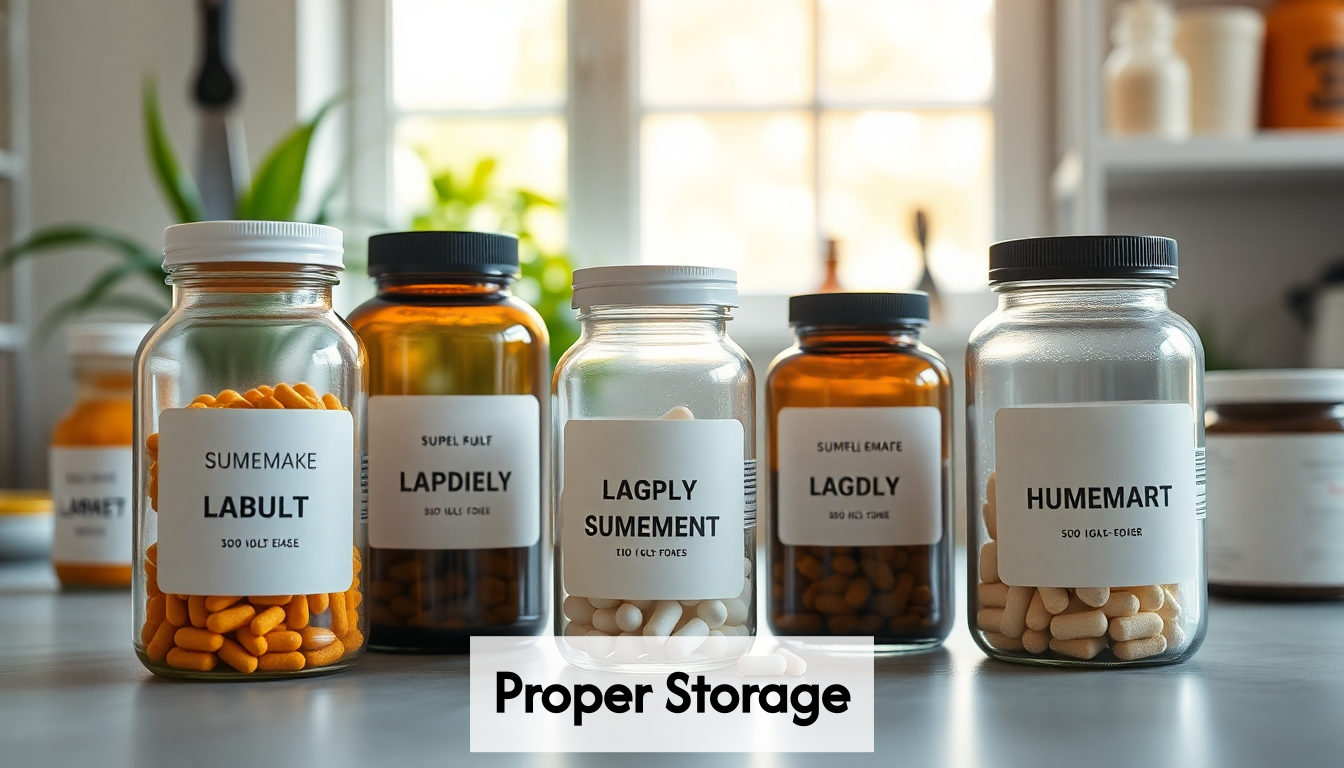
Store your finished supplements in airtight containers away from light, heat, and moisture. Dark glass bottles with desiccant packets work exceptionally well.
Always label your containers with:
- Contents and dosage
- Date of production
- Recommended serving size
- Any special storage instructions
Most DIY supplements, when properly stored, remain potent for 6-12 months, though this varies by ingredient.
By following this methodical approach to making supplements at home, you can create custom formulations that meet your specific health needs while avoiding unnecessary fillers and additives found in many commercial products. The process becomes easier with practice, and the satisfaction of taking supplements you’ve crafted yourself adds an extra dimension to your health journey.
Quality Ingredient Selection & Sourcing
When making supplements at home, the quality of your ingredients directly determines the effectiveness and safety of your final product. Unlike commercial manufacturing, DIY supplement creation places the responsibility of ingredient sourcing entirely in your hands. This section will guide you through selecting and sourcing the best ingredients for your homemade supplements.
Understanding Ingredient Grades
Not all supplement ingredients are created equal. When sourcing materials for making your own vitamins and supplements, familiarize yourself with these common ingredient grades:
-
Pharmaceutical Grade (USP/NF): These meet the highest standards set by the United States Pharmacopeia or National Formulary and are at least 99% pure with no binders, fillers, or unknown substances. This is the gold standard for supplement ingredients.
-
Food Grade: These ingredients are approved for consumption but may contain additives or trace elements not found in pharmaceutical grade. They’re still suitable for most DIY supplement projects.
-
Feed Grade: Intended for animal consumption and not recommended for human supplements due to lower purity standards and potential contaminants.
-
Technical Grade: Used for industrial purposes only and should never be used in supplements for human consumption.
According to Total Ingredients, “Ingredient quality directly impacts product quality,” with superior ingredients yielding better results in terms of efficacy and safety. Always prioritize pharmaceutical or high-quality food grade ingredients when making supplements at home.
Reputable Suppliers for DIY Supplement Makers
Sourcing ingredients from trustworthy suppliers is non-negotiable when creating your own supplements. Consider these options:
-
Specialty Supplement Suppliers: Companies that specifically cater to DIY supplement makers often provide certificates of analysis (COA) and detailed information about ingredient purity.
-
Bulk Herb and Vitamin Distributors: These suppliers offer ingredients in various quantities, making them suitable for both small and large-scale production.
-
Professional Supplement Manufacturing Partners: Some companies will sell raw ingredients to individuals while also offering guidance on formulation.
When evaluating potential suppliers, look for those that willingly provide detailed information about their sourcing practices, testing protocols, and quality control measures. A reputable supplier should be able to furnish a Certificate of Analysis for each ingredient upon request, verifying its purity and potency.
Evaluating Ingredient Quality
Once you’ve identified potential suppliers, use these criteria to assess the quality of their ingredients:
-
Purity testing: Has the ingredient been tested for contaminants like heavy metals, pesticides, and microbiological concerns?
-
Potency verification: Does the supplier confirm the active compound content through laboratory analysis?
-
Sustainable sourcing: Particularly for botanical ingredients, how and where was the material harvested or grown?
-
Processing methods: Gentle extraction methods often preserve more of the beneficial compounds in botanical ingredients.
-
Country of origin: Some regions have stricter regulations regarding cultivation and manufacturing practices.
Always request documentation that verifies these quality aspects before purchasing ingredients for your supplement-making project.
Storage Considerations for Raw Ingredients
Even the highest quality ingredients can degrade if improperly stored. When making supplements at home, proper ingredient storage is essential:
- Store most powders and dry ingredients in airtight containers away from light, heat, and moisture
- Refrigerate heat-sensitive compounds and oils prone to oxidation
- Pay attention to each ingredient’s specific storage requirements—some may need desiccants while others require refrigeration
- Label all containers with purchase dates and expiration information
- Consider dividing bulk ingredients into smaller portions to minimize exposure to air and contaminants
By taking ingredient selection and sourcing seriously, you’ll create a solid foundation for making supplements that are safe, effective, and tailored to your specific health needs. Remember that the extra effort spent finding quality ingredients pays dividends in the form of superior supplements that can genuinely support your wellness goals.
Health Regulations and Safety Tips
Creating your own supplements at home comes with significant responsibility. While making supplements offers impressive customization benefits, it’s crucial to understand the regulatory landscape and implement rigorous safety protocols. This section covers essential information to keep your DIY supplement production safe and compliant.
Understanding Regulatory Boundaries
Unlike commercial supplement manufacturers, individuals making supplements at home aren’t directly regulated by the FDA. However, this doesn’t mean you’re operating in a regulation-free zone. Several important considerations apply:
First, while the FDA doesn’t approve dietary supplements before they hit the market, the agency does have authority to take action against unsafe products. This means that even homemade supplements meant for personal use should adhere to basic safety standards.
Second, if you’re considering selling your homemade supplements, you enter a completely different regulatory territory. Commercial supplement production must comply with Current Good Manufacturing Practices (CGMPs), which include strict requirements for facility conditions, equipment maintenance, personnel qualifications, and quality control procedures.
According to health and safety experts, regulations exist primarily to minimize risks and protect health. When making your own supplements, adopting a similar mindset—even without direct oversight—creates the foundation for safe practices.
Workspace Safety Protocols
When making supplements at home, transform your workspace into a clean, controlled environment:
- Sanitize thoroughly – Clean all surfaces before and after production with food-grade sanitizers to eliminate contaminants
- Control airflow – Minimize dust and airborne particles by turning off fans and closing windows during production
- Separate supplement production from other household activities to prevent cross-contamination
- Use proper protective equipment – Wear gloves, hair coverings, and masks (especially when working with fine powders that could be inhaled)
Even for personal use, maintaining a dedicated, clean workspace helps ensure your supplements remain free from harmful contaminants.
Safe Handling Practices
When making your own vitamins and supplements, follow these handling guidelines:
- Accurate measurement is critical—invest in a high-quality digital scale that measures to at least 0.01 gram precision
- Document everything, including batch numbers, ingredient sources, production dates, and exact quantities used
- Research potential interactions between ingredients before combining them
- Start with small batches to test tolerance and effectiveness before scaling up production
- Label clearly with all ingredients, dosages, production date, and expiration date
These practices not only improve safety but also help you track what works best for your health needs when making supplements at home.
When to Consult Professionals
DIY supplement creation doesn’t mean going it completely alone. Knowing when to seek professional guidance is crucial for safety:
Consult a healthcare provider before starting any supplement regimen, including those you make yourself. This is especially important if you take medications or have existing health conditions.
For complex formulations, consider consulting a nutritionist, herbalist, or naturopathic doctor who can provide guidance on appropriate ingredients and dosages for your specific needs.
If you’re uncertain about ingredient interactions or optimal dosing, professional advice can help prevent potentially harmful mistakes in your supplement-making process.
Risk Awareness and Mitigation
Being aware of potential risks allows you to take appropriate precautions when making supplements:
Understand that some botanical ingredients can be potent and potentially toxic at incorrect dosages. Research safe dosage ranges and err on the side of caution.
Be especially careful with concentrated extracts, which can be many times more potent than whole herbs or raw ingredients.
Implement a tracking system to monitor any effects (positive or negative) from your homemade supplements. This helps you refine formulations for safety and effectiveness.
By approaching DIY supplement creation with respect for proper safety protocols and regulatory awareness, you can enjoy the benefits of customized supplements while minimizing potential risks. Making supplements at home can be a rewarding way to take control of your health, provided it’s done with appropriate knowledge and caution.
Packaging, Labeling, and Marketing Strategies
While creating high-quality supplements is the foundation of your DIY supplement journey, proper packaging, clear labeling, and thoughtful marketing (if you’re considering selling) are equally important aspects that deserve careful attention. These elements not only ensure your supplements remain stable and effective but also communicate crucial information to users.
Effective Packaging for Homemade Supplements
When making supplements at home, choosing the right packaging is critical for preserving potency and extending shelf life. Different supplement forms require specific packaging considerations:
For capsules and tablets, amber glass bottles with airtight lids provide optimal protection against light, moisture, and air—the three main factors that accelerate ingredient degradation. Plastic containers, while less expensive, may allow air permeation over time and could potentially leach chemicals into certain formulations.
For powder supplements, consider mylar bags with resealable zippers or wide-mouth glass containers that allow easy access while maintaining freshness. Always include desiccant packets to absorb any moisture that might enter during opening and closing.
For liquid formulations, dark glass bottles with dropper tops or secure caps prevent oxidation and contamination while allowing for precise dosing.
According to packaging experts at Branded Agency, effective packaging goes beyond mere functionality—it encompasses material selection, design, strategy, and usability, all of which impact consumer perception and product protection. Even for supplements made for personal use, these considerations help maintain product integrity.
Creating Clear and Compliant Labels
Whether making supplements for personal use or potential distribution, proper labeling serves several crucial functions:
-
Safety information: Labels should clearly identify all ingredients and their amounts, potential allergens, and appropriate dosage instructions
-
Usage guidance: Include instructions on how and when to take the supplement, along with any relevant precautions
-
Production details: Record the manufacturing date, batch number, and expected shelf life
-
Storage requirements: Note specific storage conditions (like “keep refrigerated” or “store in a cool, dry place”)
For personal use supplements, simple handwritten or printed labels containing this basic information are sufficient. If you’re considering selling your supplements, however, your labeling must comply with regulatory requirements, including:
- Supplement Facts panel listing all ingredients and their quantities
- The statement “This product has not been evaluated by the FDA and is not intended to diagnose, treat, cure, or prevent any disease”
- Your business name and contact information
- Net quantity of contents
Even if your supplements are just for friends and family, adopting these professional labeling practices demonstrates your commitment to safety and transparency in your supplement-making process.
Marketing Considerations for DIY Supplement Creators
If you’re making supplements purely for personal use, marketing isn’t relevant. However, many DIY supplement makers eventually consider sharing or selling their creations. If you’re heading in that direction, consider these marketing strategies:
Highlight your unique value proposition – What makes your homemade supplements different? Perhaps it’s your commitment to organic ingredients, innovative formulations, or addressing a specific health need that mainstream supplements overlook.
Tell your story – Consumers connect with the people behind products. Share your journey into making supplements, what motivated you, and your commitment to quality.
Focus on education – Today’s supplement consumers are increasingly knowledgeable. Provide clear, evidence-based information about your ingredients and their benefits rather than making exaggerated claims.
Consider sustainable packaging – If appropriate for your formulations, eco-friendly packaging can be a significant selling point, as the sustainable packaging industry is growing rapidly to meet consumer demand.
Start small and gather testimonials – Before scaling up, perfect your formulations with a small group of users who can provide feedback and testimonials if they experience positive results.
Legal Considerations for Selling Homemade Supplements
If your supplement-making hobby evolves into a business venture, be aware that additional legal requirements apply:
- Register your facility with the FDA
- Comply with Current Good Manufacturing Practices (CGMPs)
- Submit all labeling for review
- Maintain detailed records of production processes
- Carry appropriate business insurance
Consult with a legal expert specializing in dietary supplement regulations before commercializing any products you’ve created through your DIY supplement-making process.
Whether for personal use or potential sale, thoughtful packaging, clear labeling, and adherence to applicable regulations ensure your homemade supplements remain potent, safe, and beneficial. These aspects complete the supplement creation journey, transforming raw ingredients into finished products ready to support your health goals.
Frequently Asked Questions
What are the basic ingredients needed to make your own supplements?
To create your own supplements, you’ll need a capsule filling machine, empty capsules, a digital scale, supplement powders, mixing bowls, storage containers, and labels. High-quality ingredients are crucial for effectiveness and safety.
How do I ensure the safety of my homemade supplements?
To ensure safety, maintain a clean workspace, accurately measure your ingredients, research potential ingredient interactions, and consult healthcare professionals regarding dosage and suitability for your needs.
What are the advantages of making my own supplements?
Making your own supplements gives you control over the ingredients, allowing you to avoid fillers and tailor formulations to your specific health needs. It can also be cost-effective compared to buying commercial products.
How should I store my homemade supplements?
Store your homemade supplements in airtight containers away from light, heat, and moisture. Dark glass bottles work best for preserving potency, and always label your containers with the contents, production date, and expiration date.
Take Control of Your Health with Personalized Supplement Solutions
As you explore the rewarding journey of making your own supplements, you might find yourself facing crucial challenges—like ensuring ingredient quality, achieving precise dosages, and effectively tracking your health progress. The pursuit of tailored nutrition can feel overwhelming, especially with the wide array of options and the potential for error. But what if you could bridge that gap with the support of an innovative online platform?
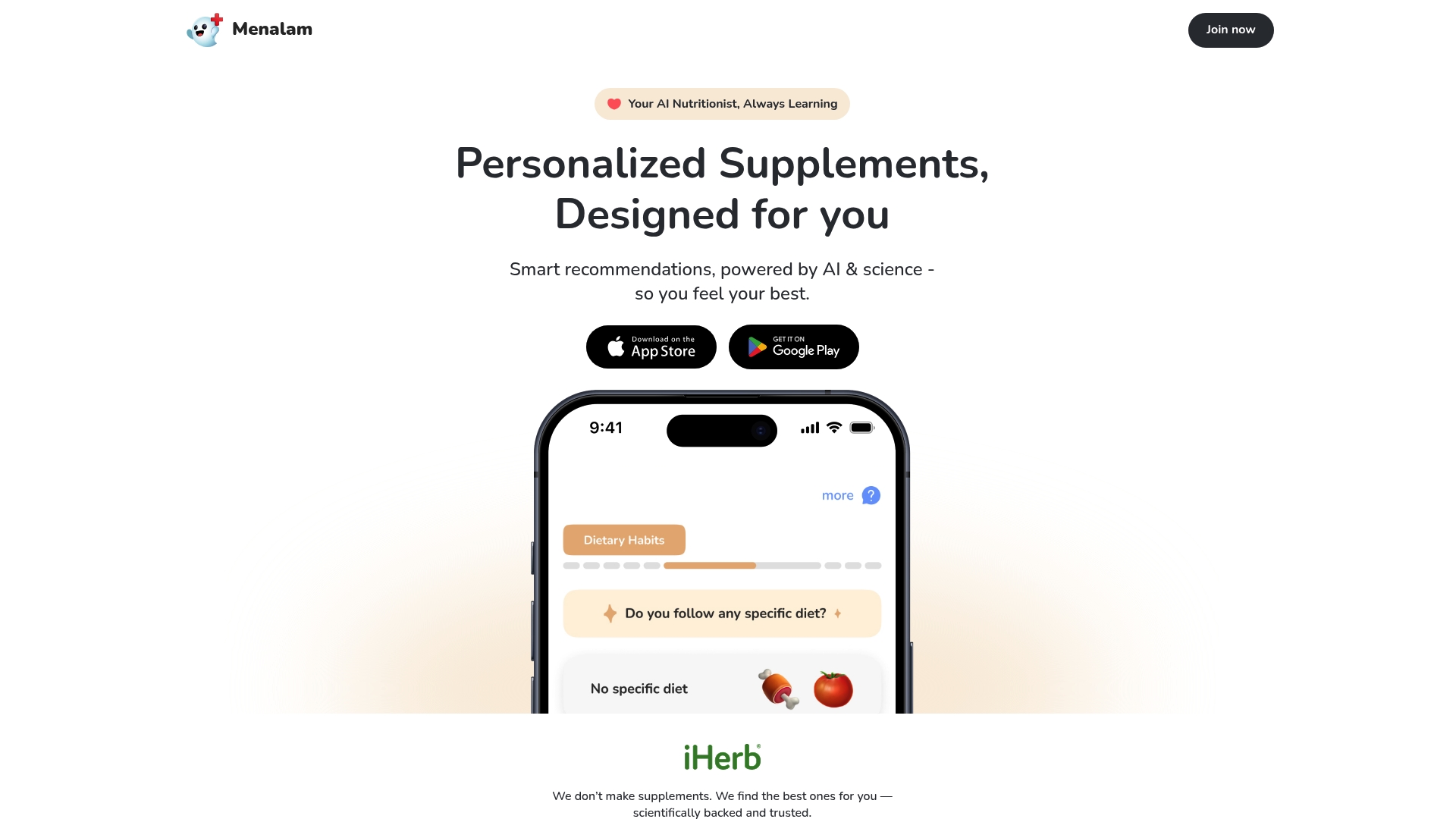
Introducing Menalam: Your AI-driven personal nutritionist that takes the guesswork out of supplementing. With our personalized supplement recommendations tailored to your unique health profile, we help you navigate the complexities of DIY supplementation more easily. Our platform allows you to:**
- Identify optimal vitamins and minerals based on your health goals through a quick health quiz.
- Track your supplement intake and progress with our user-friendly mobile app, complete with smart reminders to keep you on track.
- Adjust your health plan seamlessly, integrating insights from your blood tests and evolving research.
Embrace a science-backed approach, and take action NOW! Visit Menalam.com to start your journey. Elevate your health with the right supplements—no more guesswork, only results!
Leave a Reply