
Nutrition science is on the brink of a revolution—recent studies indicate that personalized nutrition could improve health outcomes significantly more than standardized diets. But here’s the twist: while most people are still following one-size-fits-all eating plans, they are missing the real magic behind tailored dietary solutions. The secret lies in understanding your unique nutritional needs, which opens the door to effective and sustainable health practices.
Assessing Individual Nutrition Needs
Assessing your unique nutritional requirements is the essential first step toward creating a sustainable eating plan that actually works for you. Unlike standardized diets that treat everyone the same, an accurate nutrition assessment identifies your specific needs based on multiple factors unique to your body and lifestyle.
The Science of Nutritional Assessment
Nutritional assessment is a dynamic, ongoing process that combines both objective measurements and subjective information to create a complete picture of your health status. According to research from the National Institutes of Health, truly effective nutrition science now considers the complex interplay between internal factors (your biology and genetics) and external elements (social and environmental influences) that affect your health outcomes.
A comprehensive assessment typically includes:
- Anthropometric measurements (height, weight, body composition)
- Biochemical testing (blood work, metabolic markers)
- Clinical observations (medical history, physical examination)
- Dietary evaluation (food intake patterns, nutrient analysis)
These components work together to identify deficiencies, imbalances, or potential health risks that can be addressed through personalized nutrition solutions.
Beyond the Numbers: Lifestyle Integration
While objective measurements provide valuable data points, your lifestyle factors dramatically influence your nutritional needs and your ability to maintain healthy eating patterns. A thorough assessment explores:
Your daily schedule and time constraints often determine what foods are practical for you. Someone working night shifts has different meal timing needs than an office worker with regular hours. Similarly, your activity level, from sedentary to highly athletic, significantly impacts your caloric and nutrient requirements.
Stress levels, sleep quality, and emotional relationships with food all influence what, when, and how you eat. These psychological factors can be just as important as physical measurements in determining sustainable nutrition solutions.
Your cultural background, food preferences, cooking skills, and budget constraints all shape your food environment and must be accounted for in any personalized plan. Even the most nutritionally perfect diet is useless if it doesn’t align with your food preferences and daily realities.
Turning Assessment Into Action
The true value of a comprehensive nutrition assessment comes when this information translates into actionable guidance. Working with a registered dietitian ensures that your assessment leads to personalized nutrition solutions that fit your unique profile.
Quality nutritional assessment doesn’t just happen once. As your body changes, your lifestyle evolves, or your health status shifts, your nutritional needs will change too. Regular reassessment allows your nutrition plan to adapt accordingly, creating a dynamic approach to nourishment that evolves with you.
Rather than searching for the perfect one-size-fits-all diet, understanding your individual nutritional needs provides the foundation for developing eating patterns that support your specific health goals, whether that’s managing a chronic condition, optimizing athletic performance, or simply feeling more energetic throughout your day.
Key Takeaways
| Takeaway | Explanation |
|---|---|
| Personalized Nutrition Assessment is Essential | A comprehensive nutrition assessment, considering both objective measures and personal lifestyle factors, is crucial for creating sustainable eating plans tailored to individual needs. |
| Data-Driven Customization Enhances Nutrition | Modern technologies, including AI and genetic testing, customize dietary recommendations, leading to practical, actionable insights that are unique to each individual’s body and lifestyle. |
| Meal Plans Should Align with Real Life | Effective personalized meal plans must consider food preferences, cultural contexts, and practical constraints while also allowing flexibility to adapt to changing circumstances. |
| Tracking Progress is Key to Success | Utilizing digital nutrition tracking apps and wearable technology supports monitoring and adjusting personalized nutrition plans, facilitating sustainable growth and making informed decisions. |
| Understanding the Microbiome is Revolutionary | Growing knowledge of the gut microbiome’s role in nutrition emphasizes the need for personalized dietary patterns that nurture individual gut health and its broader impact on overall wellness. |
Data-Driven Dietary Customization
The era of generic dietary advice is rapidly giving way to sophisticated, data-driven approaches that create truly personalized nutrition solutions. Today’s nutritional science combines multiple information streams to develop dietary recommendations that align precisely with your individual needs.
The Technology Revolution in Nutrition
Modern personalized nutrition leverages cutting-edge technologies to transform how we understand and respond to individual dietary requirements. According to research from StarLeaf, artificial intelligence and machine learning now play crucial roles in analyzing vast datasets from multiple sources to create optimized nutrition plans tailored to individuals.
These technologies integrate data from:
- Wearable devices tracking activity, sleep, and heart rate
- Smart scales measuring body composition
- Blood glucose monitors providing real-time metabolic feedback
- Digital food journals documenting eating patterns
- Environmental sensors detecting potential influences on eating behavior
The power lies in how these technologies work together to create a comprehensive picture of your nutritional status and needs. Where traditional approaches might only consider calories and macronutrients, data-driven personalization examines how your body specifically responds to different foods, eating patterns, and environmental factors.
From Genetic Blueprints to Dinner Plates
Perhaps the most revolutionary aspect of data-driven nutrition is the integration of genetic information into dietary planning. Nutrigenomics—the study of how food interacts with your genes—provides unprecedented insights into your unique nutritional requirements.
Genetic testing can reveal important variations that influence how you process and utilize different nutrients. For example, some people have genetic variations affecting vitamin D metabolism, requiring higher supplementation levels. Others may have variations impacting carbohydrate metabolism, suggesting modified approaches to carbohydrate consumption.
Beyond genetics, advanced testing now examines your gut microbiome composition—the trillions of bacteria residing in your digestive system that significantly impact nutrient absorption, metabolism, and even mood. This microbiome fingerprint provides another layer of personalization, identifying which foods will best support your unique internal ecosystem.
Practical Application: Your Daily Food Choices
Data-driven personalization transforms abstract nutritional science into practical, actionable recommendations for your daily meals. This might include:
Identifying specific foods that cause inflammatory responses in your body, even when they’re generally considered healthy. Your “superfood” might be someone else’s inflammatory trigger.
Determining optimal meal timing based on your metabolic patterns, activity schedule, and circadian rhythms. Some people thrive with intermittent fasting, while others need more frequent meals to maintain energy levels and cognitive function.
Recommending precise nutrient amounts based on your current status, activity level, health goals, and genetic factors. This precision eliminates guesswork about whether you’re getting too much or too little of essential nutrients.
Data-driven dietary customization represents the intersection of nutrition science, technology, and personal choice. While sophisticated tools provide unprecedented insights, the ultimate goal remains practical: creating sustainable eating patterns that support your health, accommodate your preferences, and fit seamlessly into your lifestyle. This approach doesn’t just tell you what to eat—it explains why those recommendations matter specifically for your body and helps you implement them in ways that work for your life.
Crafting Personalized Meal Plans
With your nutritional assessment complete and data-driven insights in hand, the next crucial step in personalized nutrition solutions is translating this information into practical, day-to-day eating guidance. Creating a truly personalized meal plan goes far beyond simply listing healthy foods—it’s about designing an eating framework that aligns with your unique needs, preferences, and lifestyle.
The Art and Science of Meal Planning
Effective personalized meal plans strike a delicate balance between nutritional science and practical implementation. According to research from Mealzee, tailored meal plans that account for individual preferences and circumstances significantly improve adherence and satisfaction compared to generic approaches.
The development of a personalized meal plan typically incorporates several key considerations:
Nutritional adequacy ensures you receive appropriate amounts of macro and micronutrients based on your specific requirements. This might mean higher protein for athletes, modified carbohydrate distribution for those with insulin sensitivity issues, or strategic nutrient timing for optimized performance and recovery.
Food preferences and cultural context respect your taste preferences and cultural food traditions. The most nutritionally perfect diet is worthless if it includes foods you dislike or excludes important cultural staples that bring you joy and connection.
Practical constraints address real-world factors like food budget, cooking skills, equipment availability, and time limitations. Your meal plan must work within these boundaries to be sustainable long-term.
Flexibility mechanisms build in adaptability for changing circumstances, social occasions, and occasional indulgences. Rigid plans typically fail when real life intervenes, so strategic flexibility is essential.
From Theory to Practice: Building Your Plan
The process of crafting your personalized meal plan typically follows a structured approach:
- Establish clear objectives based on your health goals, nutritional assessment, and data insights
- Determine appropriate calorie and macronutrient targets that align with these objectives
- Identify optimal eating patterns (meal frequency, timing, portion sizes) that suit your lifestyle
- Create a diverse food selection that meets nutritional needs while respecting preferences
- Develop practical meal combinations and recipes that can be realistically prepared
Modern meal planning often utilizes digital tools that simplify implementation. These might include meal planning apps that generate shopping lists, recipe databases filtered for your specific dietary needs, or scheduling tools that align meals with your daily routine.
Beyond Food Selection: The Complete Meal Plan Package
A truly comprehensive personalized meal plan extends beyond just food choices to include supporting elements that enhance success:
Portion guidance helps translate abstract nutritional targets into concrete food amounts. This might include visual guides, measuring tools recommendations, or hunger/fullness awareness training depending on your approach.
Meal preparation strategies address practical concerns like batch cooking, food storage solutions, or quick assembly techniques that make healthy eating feasible within your time constraints.
Tracking mechanisms provide appropriate feedback without becoming burdensome. This might range from detailed food logging for those who benefit from the accountability to simple photo documentation or qualitative check-ins for others.
The most effective personalized meal plans evolve over time based on your results, feedback, and changing circumstances. This iterative process allows for continuous refinement rather than rigid adherence to an unchanging formula. As your body responds, your lifestyle shifts, or your goals evolve, your personalized nutrition solutions should adapt accordingly—creating a dynamic approach to nourishment that supports your health journey at every stage.
Tools for Nutrition Tracking
Effective implementation of personalized nutrition solutions often relies on consistent monitoring and adjustment. The right tracking tools can transform vague nutritional goals into measurable progress while providing valuable insights about your body’s unique responses to different foods and eating patterns.
Digital Nutrition Tracking Apps
Nutrition tracking apps have revolutionized how we monitor dietary intake, making the process more accessible and informative than traditional food journaling methods. These platforms vary in their approach and capabilities:
Comprehensive nutrient trackers like Cronometer offer exceptional detail for those seeking deep nutritional insights. According to nutrition scientist Chris Masterjohn, PhD, Cronometer provides precise measurement of both macronutrients and micronutrients, enabling users to identify specific nutrient deficiencies that might otherwise go unnoticed. This level of detail is particularly valuable for addressing complex health concerns or optimizing nutritional status.
User-friendly food loggers such as MyFitnessPal prioritize accessibility with features like barcode scanning, extensive food databases, and social components. While potentially less precise for detailed nutrient analysis, these apps excel at building consistent tracking habits through their intuitive interfaces.
Specialized dietary apps cater to specific approaches like ketogenic, plant-based, or intermittent fasting regimens. These tools typically include features tailored to the unique challenges and metrics relevant to these specialized nutrition strategies.
When selecting a tracking app, consider your primary goals, desired level of detail, and the interface that will best support consistent use. The most sophisticated app provides little value if its complexity discourages regular tracking.
Wearable Technology and Smart Devices
The nutrition tracking ecosystem now extends beyond manual food logging to include devices that provide real-time physiological feedback:
Continuous glucose monitors reveal how different foods affect your blood sugar levels, providing personalized insights about carbohydrate tolerance that go far beyond generic glycemic index charts. These devices can identify surprising food reactions specific to your metabolism.
Smart scales track body composition changes over time, offering context for your nutrition decisions beyond simple weight measurements. The ability to monitor metrics like muscle mass and body fat percentage provides a more complete picture of how your body responds to nutritional changes.
Kitchen measurement tools like smart food scales synchronize with apps to automatically calculate nutritional content based on precise portions. This technology bridges the gap between estimation and accuracy, particularly helpful for portions that are difficult to eyeball.
Building Sustainable Tracking Habits
The most sophisticated tracking tools provide little benefit without consistent usage. Consider these approaches to make nutrition tracking sustainable:
- Start with time-limited tracking periods (2-4 weeks) to gather baseline data before deciding on long-term tracking needs
- Identify your minimum effective dose of tracking—the simplest approach that still provides actionable insights
- Use batch logging (entering multiple meals at once) if real-time tracking feels disruptive
- Create technology-free days periodically to prevent tracking fatigue
Effective tracking isn’t about achieving perfect data—it’s about collecting sufficient information to make informed decisions about your personalized nutrition approach. Many people benefit from cycling between periods of detailed tracking and more intuitive eating guided by principles learned during tracking phases.
Ultimately, these tools serve as a means to an end: developing a deeper understanding of your body’s unique nutritional needs and responses. The insights gained through thoughtful tracking can inform sustainable eating patterns that support your health goals even during periods when you’re not actively logging every bite.
Emerging Trends in Nutrition Solutions
The field of personalized nutrition continues to evolve rapidly, driven by advances in technology, scientific discoveries, and changing consumer preferences. Understanding these emerging trends can help you anticipate where nutrition science is headed and how these developments might enhance your own personalized nutrition journey.
Beyond Macros: The Microbiome Revolution
One of the most significant shifts in nutrition science is the growing focus on gut health and its far-reaching implications. The trillions of microorganisms inhabiting your digestive system are now recognized as critical mediators of how your body processes nutrients and responds to different foods.
Personalized nutrition approaches increasingly incorporate microbiome analysis to determine which specific dietary patterns will best support your unique gut bacterial profile. This goes beyond general recommendations for fiber and fermented foods to identify precisely which prebiotic fibers, polyphenols, and other compounds will nourish your specific microbial community.
This microbiome-centric approach acknowledges the bidirectional relationship between gut health and numerous aspects of wellness. According to research from Kemin Human Nutrition and Health, nearly 70% of global consumers now recognize the connection between digestive health and overall wellness, while over 64% see a clear link to emotional well-being. This growing awareness is driving demand for nutrition solutions that address the gut-brain axis, gut-immune connection, and other systemic effects of microbiome health.
AI-Powered Nutritional Guidance
Artificial intelligence is transforming personalized nutrition by analyzing complex data patterns that would be impossible for humans to process manually. These sophisticated systems can:
- Identify subtle correlations between specific foods and your physiological responses
- Predict how dietary changes might affect your health metrics based on similar profiles
- Generate meal recommendations that optimize for multiple health objectives simultaneously
- Adapt in real-time as new data about your nutritional status and responses becomes available
Unlike static meal plans that quickly become outdated, AI-powered systems continuously learn from your feedback and results, creating truly dynamic nutrition solutions that evolve as your body changes. These platforms are increasingly combining multiple data streams—food intake, blood markers, sleep quality, stress levels, and activity patterns—to provide holistic recommendations that consider the complete picture of your health.
Targeted Supplementation Strategies
The supplement industry is moving away from generic multivitamins toward precisely targeted formulations based on individual needs. This shift reflects growing consumer awareness that supplement needs vary dramatically between individuals based on genetics, lifestyle, diet quality, and health status.
Emergent technologies now enable personalized supplement regimens that address your specific deficiencies and health goals. These might include:
- Custom-formulated supplement packs based on blood testing results
- Bioactive compounds targeted to your genetic variations
- Adaptogenic blends tailored to your stress patterns and hormone levels
- Personalized protein formulations matched to your fitness goals and recovery needs
This trend represents a fundamental move from addressing general nutritional gaps to optimizing specific biological pathways based on your unique profile. Rather than following generic supplement recommendations, personalized approaches identify exactly which compounds your body needs, in what amounts, and in which combinations for optimal absorption and utilization.
Integration of Traditional Wisdom with Modern Science
While cutting-edge technology drives many advances in personalized nutrition, there’s also growing interest in integrating traditional nutritional systems like Ayurveda, Traditional Chinese Medicine, and indigenous food practices with modern scientific understanding.
These traditional systems often recognized the principle of bio-individuality—that different people require different foods for optimal health—long before modern personalization tools existed. Contemporary approaches increasingly draw on this ancestral wisdom while validating and refining it through scientific methods and modern analytical techniques.
This integration acknowledges that personalized nutrition isn’t solely about molecular interactions and physiological responses; it also encompasses cultural connections to food, traditional preparation methods that enhance nutrient availability, and holistic patterns of eating that consider seasonal rhythms and environmental factors.
As personalized nutrition solutions continue to evolve, they promise to become increasingly comprehensive, integrating more data sources while remaining practical and accessible. The future lies not just in more sophisticated analysis, but in translating complex nutritional science into actionable guidance that fits seamlessly into your daily life.
Frequently Asked Questions
What is personalized nutrition?
Personalized nutrition is a tailored approach to dietary planning that takes into account an individual’s unique nutritional needs, genetics, lifestyle, and health goals, rather than relying on standardized diets.
How can I assess my individual nutrition needs?
To assess your individual nutrition needs, you can undergo a comprehensive nutritional assessment that includes anthropometric measurements, biochemical testing, clinical observations, and dietary evaluation. Working with a registered dietitian can provide valuable insights into your specific requirements.
What role does technology play in personalized nutrition?
Technology enhances personalized nutrition through tools like wearable devices, continuous glucose monitors, and nutrition tracking apps. These technologies provide real-time data on your health metrics and help create customized dietary recommendations based on your body’s responses.
Why is the microbiome important in personalized nutrition?
The microbiome plays a crucial role in how your body processes nutrients and affects overall health. Personalized nutrition increasingly factors in microbiome analysis to recommend dietary patterns that support individual gut health and influence wellness outcomes.
Unlock Your Personalized Nutrition Journey with Menalam
Are you tired of chasing after the latest diet trends, only to feel lost and frustrated with their general recommendations? You’re not alone. Many individuals struggle with the one-size-fits-all approach to nutrition and experience the pitfalls of mismatched eating plans. The answers you seek lie in understanding your unique nutritional needs—and we’re here to help!
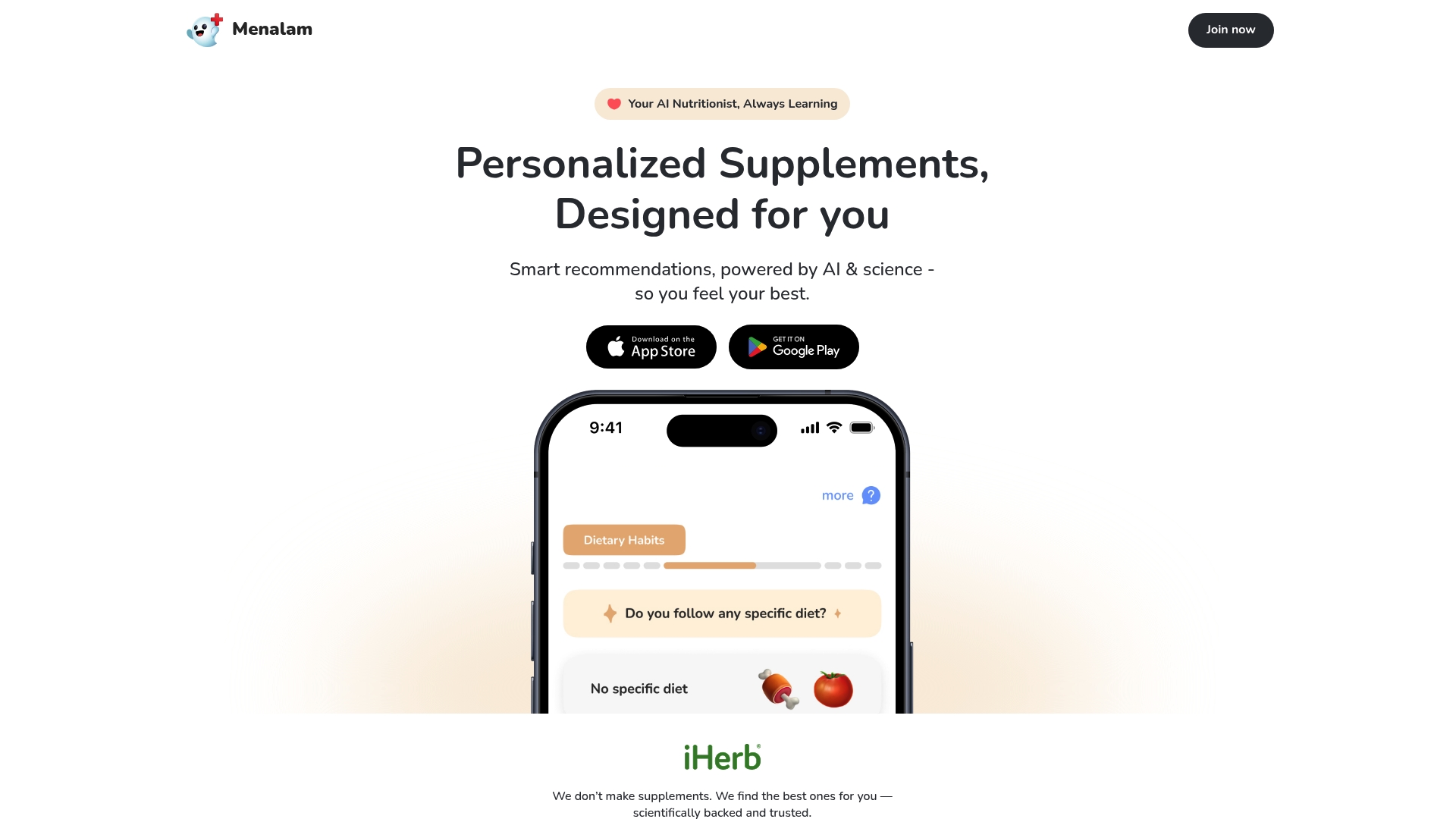
Menalam stands as your personal digital nutritionist—your solution to tailored supplement recommendations designed specifically for you. By simply completing our quick health quiz, you’ll receive personalized insights and scientifically validated supplement plans that align with your health profile, daily routines, and dietary preferences. With features like our mobile app to track your intake and integration of blood test results, we empower you to make informed decisions that support your ongoing health journey. Don’t wait—take charge of your health today and discover how personalized nutrition can transform your life at https://menalam.com. Start your journey NOW!
Leave a Reply