

In a world where over 95% of people struggle with nutritional deficiencies, the question of whether you need supplements has never been more crucial. But here’s the twist—not all vitamins are created equal; some might actually do more harm than good. The unexpected truth is that many health issues arise not from a lack of food, but from a lack of specific nutrients, making the right supplements essential for a healthier life.
Why You May Need Supplements
In today’s fast-paced world, achieving optimal nutrition solely through diet has become increasingly challenging. Even with careful meal planning, many people find themselves asking, “do you really need supplements?” The answer isn’t straightforward, but understanding the factors that influence your nutritional needs can help you make informed decisions about supplementation.
The Reality of Modern Nutrition
Despite our best intentions, the reality is that many of us face nutritional gaps. According to a 2015 study, over 95% of the world’s population experiences health problems that may be linked to nutritional deficiencies, even in developed countries. Dr. Paul Jaminet, author of “The Perfect Health Diet,” identifies several factors contributing to this widespread malnutrition, including:
- Nutrient-depleted foods due to modern agricultural practices
- Decreased mineral content in water and food sources
- Nutrient loss through contemporary cooking methods
- Presence of anti-nutrients and toxins in processed foods
- Increasingly sedentary lifestyles affecting metabolism
These factors create a perfect storm where even those eating what appears to be a balanced diet may need supplements to achieve optimal health.
Personalized Supplement Needs
Determining whether you need supplements isn’t a one-size-fits-all proposition. Your supplement routine should be tailored to your unique circumstances. When considering proper supplementation, take into account:
- Your current diet and eating patterns
- Age and gender-specific nutritional requirements
- Health conditions that may affect nutrient absorption
- Genetic factors influencing metabolism
- Lifestyle factors like stress levels and physical activity
For instance, vegans and vegetarians might need vitamin B12 supplements since this nutrient is primarily found in animal products. Similarly, women of childbearing age often need additional iron and folate, while older adults frequently require more vitamin D and calcium for bone health.
Beyond Basic Nutrition

While food should remain your primary source of nutrients, supplements can play a valuable role in your health regimen. The question shouldn’t be “are supplements vitamins?” but rather “which supplements might benefit my specific situation?”
Proven supplements with scientific backing can help address specific deficiencies or health concerns. For example, omega-3 fatty acids have demonstrated benefits for heart and brain health, while vitamin D supplementation has been linked to improved immune function, especially for those with limited sun exposure.
Before starting any supplement routine, consider consulting with a healthcare provider who can recommend dietary supplements based on your health assessment, potentially including blood tests to identify specific deficiencies. This targeted approach ensures you’re taking what your body truly needs rather than guessing which vitamins to take.
Remember that supplements are meant to complement a healthy diet, not replace it. The foundation of good nutrition remains a varied diet rich in whole foods, with supplements serving as a strategic addition to help you achieve optimal health in our modern environment.
Key Takeaways
| Takeaway | Explanation |
|---|---|
| Nutritional Gaps Are Common | Modern diets often miss essential nutrients due to factors like agriculture practices and lifestyle choices, making supplementation necessary for many people. |
| Personalized Supplementation Is Key | Assess your unique dietary needs, age, health conditions, and activity levels to tailor your supplement use effectively. |
| Quality Over Quantity | Choose high-quality supplements with third-party testing and transparent labeling to ensure safety and efficacy. |
| Monitor and Reassess Your Needs | Keep track of your supplement use and regularly consult with healthcare providers to adjust your regimen based on changes in health, diet, or lifestyle. |
| Avoid Self-Prescribing | Confirm any nutritional deficiencies through professional testing instead of self-diagnosing, which can lead to unnecessary or harmful supplementation. |
Assessing Your Nutritional Needs
Before determining which supplements might benefit you, it’s essential to understand your unique nutritional requirements. The question “how do I know which vitamins to take?” is one that many people struggle with. Instead of guessing or following generic advice, a systematic approach to assessing your nutritional needs can help you create an effective supplement routine.
Listen to Your Body’s Signals
Your body often provides clues about potential nutritional deficiencies. Persistent fatigue, brittle nails, hair loss, slow-healing wounds, or frequent infections might indicate that your body needs supplemental support. While these symptoms can have multiple causes, they often correlate with specific vitamin or mineral deficiencies.
For example, constant fatigue might signal low iron or vitamin B12 levels, while frequent muscle cramps could indicate magnesium deficiency. Rather than self-diagnosing, these symptoms should prompt a conversation with a healthcare provider who can help determine if you need supplements to address specific concerns.
Professional Assessment Methods

When considering proper supplementation, professional guidance offers the most reliable approach. Here are effective ways to assess your nutritional status:
-
Blood tests and lab work: Comprehensive panels can identify deficiencies in vitamins, minerals, and other essential nutrients before symptoms appear.
-
Dietary analysis: Working with a registered dietitian to evaluate your typical food intake can reveal potential nutritional gaps in your diet.
-
Medical history review: Certain conditions, medications, or genetic factors may increase your need for specific nutrients.
-
Lifestyle evaluation: Your activity level, stress patterns, and sleep habits all influence your nutritional requirements.
These assessment methods provide objective data to answer the question “how to know which vitamins to take” based on your body’s actual needs rather than assumptions.
Tailoring Supplements to Your Lifestyle
Beyond addressing deficiencies, your recommended dietary supplements should align with your specific lifestyle factors and health goals. For instance, athletes and highly active individuals have different nutritional demands than those with sedentary lifestyles.
According to nutrition experts, active individuals may require additional protein, magnesium, and B vitamins to support muscle recovery and energy production. Meanwhile, those with limited sun exposure might prioritize vitamin D supplementation. Research suggests that protein needs can vary significantly based on activity level, with active individuals potentially requiring up to 0.7 grams per pound of body weight daily.
Your age and life stage also significantly impact your nutritional needs. Pregnant women need supplements like folate and iron, while postmenopausal women often benefit from calcium and vitamin D for bone health. Men might focus on zinc and magnesium for testosterone support. The question “what is the most important vitamin to take” has different answers depending on who’s asking.
Remember that your nutritional needs aren’t static—they evolve with changes in your health, age, activity level, and even with the seasons. Reassessing your need for supplements periodically ensures your supplement regimen continues to serve your body’s changing requirements. The most effective approach combines professional guidance with mindful attention to how your body responds to your current nutrition and supplement routine.
Choosing the Right Supplements
Once you’ve determined that you need supplements, navigating the overwhelming variety of options becomes your next challenge. With thousands of products making bold claims, how do you identify which ones truly deserve a place in your supplement routine? Let’s explore how to make informed choices that support your health goals without wasting money on unnecessary or ineffective products.
Quality Matters: What to Look For
When evaluating supplement can options, quality should be your primary concern. The supplement industry operates with minimal regulatory oversight compared to pharmaceuticals. According to Stanford Longevity Center, the FDA is not responsible for ensuring the safety, efficacy, purity, or potency of dietary supplements before they reach the market.
This lack of oversight means the responsibility falls on you to research thoroughly. Here are key indicators of quality recommended dietary supplements:
-
Third-party testing verification from organizations like USP (United States Pharmacopeia), NSF International, or ConsumerLab
-
Transparent labeling that clearly lists all ingredients and their amounts
-
GMP certification (Good Manufacturing Practices) ensuring consistent production standards
-
Research backing from peer-reviewed scientific studies supporting the supplement’s effectiveness
Beware of supplements making miraculous claims or using proprietary blends that don’t disclose specific ingredient amounts. Remember that “natural” doesn’t automatically mean safe or effective—as Stanford’s Dr. Marily Oppezzo notes, concentrated nutrients in supplement form may pose risks even when derived from natural sources.
Form and Bioavailability
Even proven supplements can vary significantly in how well your body absorbs and utilizes them. When selecting supplements, consider these important factors:
Bioavailability refers to how effectively your body can absorb and use a nutrient. For example, magnesium glycinate is generally better absorbed than magnesium oxide, while methylcobalamin (B12) tends to be more bioavailable than cyanocobalamin.
Delivery format affects both absorption and compliance. While capsules might be convenient, liquid forms are often better absorbed. Consider what works best for your lifestyle—the most effective supplement is ultimately the one you’ll actually take consistently.
Complementary nutrients can enhance absorption. Vitamin D helps calcium absorption, while vitamin C improves iron uptake. A thoughtfully formulated supplement considers these synergistic relationships.
Tailoring to Your Specific Needs
The best dietary supplements for you depend entirely on your individual needs. Here’s how to approach common supplement categories based on specific concerns:
For overall wellness: A high-quality multivitamin can address minor nutritional gaps in an otherwise balanced diet. Look for one appropriate for your age, gender, and life stage.
For targeted deficiencies: If blood tests reveal specific deficiencies, single-nutrient supplements at therapeutic doses may be more appropriate than a multivitamin.
For special life stages: Certain life phases have unique nutritional demands—pregnancy requires folate and iron, while aging increases needs for vitamin D, B12, and calcium.
For fitness goals: Active individuals may benefit from protein supplementation, branch-chain amino acids, or performance-focused formulations.
Remember that more isn’t always better when it comes to proper supplementation. Excessive intake of certain nutrients can interfere with the absorption of others or even cause harm. Instead of accumulating an extensive collection of supplements, focus on a thoughtfully selected regimen addressing your specific needs.
Before starting any new supplement, particularly if you take medications or have existing health conditions, consult with a healthcare provider. This precaution helps avoid potential interactions and ensures your supplement routine truly supports your path to better health.
Safe Practices for Supplement Use
Even the highest quality supplements can cause problems if not used properly. As the dietary supplement market continues to grow—reaching nearly $152 billion globally in 2021 with over 50% of US adults using at least one supplement—understanding safe practices becomes increasingly important. According to InsideTracker, supplements aren’t regulated like pharmaceutical drugs, making consumer knowledge crucial for safety.
Start Low and Go Slow
When beginning any new supplement, it’s wise to start with a lower dose than recommended and gradually increase to the full dosage. This approach allows you to monitor how your body responds and identify any adverse reactions before they become problematic. Some nutrients can cause digestive discomfort or other side effects when introduced suddenly at full strength.
For example, iron supplements often cause constipation, and high doses of vitamin C may lead to diarrhea. Magnesium supplements can have laxative effects if taken in large amounts all at once. By starting with a smaller dose and gradually increasing, you can often minimize these unwanted effects while still receiving the benefits.
Timing Matters
The effectiveness of your supplement routine depends not just on what you take but when you take it. Certain supplements work best when taken at specific times or with particular foods:
Fat-soluble vitamins (A, D, E, and K) should be taken with meals containing healthy fats to enhance absorption.
Probiotics typically work best when taken on an empty stomach, allowing the beneficial bacteria to pass through the stomach more quickly.
Iron supplements are often better absorbed when taken with vitamin C but away from calcium-rich foods or supplements.
B vitamins are generally best taken in the morning, as they can boost energy and potentially interfere with sleep if taken later in the day.
Calcium and magnesium might be more beneficial when taken in the evening, as they can promote relaxation and support sleep quality.
Properly timing your supplements optimizes their effectiveness and minimizes potential interactions—both with food and with other supplements in your regimen.
Monitoring and Adjusting
Successful supplementation isn’t a “set it and forget it” practice. Responsible use requires ongoing monitoring and periodic reassessment:
-
Keep a supplement journal documenting what you take, when you take it, and any effects you notice
-
Schedule regular follow-up appointments with your healthcare provider to check relevant biomarkers
-
Reassess your need for specific supplements as your diet, lifestyle, or health conditions change
-
Be alert to changes in how you feel—both positive improvements and potential adverse effects
If you experience unexpected symptoms after starting a new supplement, discontinue use and consult your healthcare provider. Remember that your need for supplements can change over time. What’s appropriate during one life stage may become unnecessary or even counterproductive during another.
Avoiding Dangerous Interactions
One of the most significant risks with supplements is their potential to interact with medications or other supplements. These interactions can increase or decrease the effectiveness of your medications or cause unexpected side effects.
Always disclose your complete supplement routine to all healthcare providers, including your primary care physician, specialists, pharmacist, and dentist. Some common but potentially serious interactions include:
- St. John’s Wort can reduce the effectiveness of birth control pills and certain antidepressants
- Vitamin K can interfere with blood-thinning medications like warfarin
- Calcium supplements may reduce the absorption of certain antibiotics
- High-dose vitamin E might increase bleeding risk when combined with blood thinners
Many people mistakenly believe that because supplements are “natural,” they can’t interact with medications. This dangerous misconception can lead to serious health consequences. When in doubt, check with your healthcare provider or pharmacist before combining supplements with prescription medications.
By following these safe practices, you can maximize the benefits of your supplement routine while minimizing potential risks. Remember that supplements are meant to complement a healthy lifestyle—not compensate for poor nutrition or harmful habits. The foundation of good health remains a balanced diet, regular physical activity, adequate sleep, and stress management, with supplements serving as strategic additions to this solid foundation.
Avoiding Common Supplement Pitfalls
While supplements can be valuable additions to your health regimen, there are several common mistakes that can undermine their effectiveness or even pose risks to your health. Being aware of these pitfalls can help you make more informed decisions about which supplements to take and how to use them.
Falling for Marketing Hype
The supplement industry is rife with bold claims and persuasive marketing. Don’t let flashy packaging or celebrity endorsements sway your decision-making process. Instead, focus on scientific evidence and expert recommendations when determining if you need supplements.
According to ConsumerLab.com, over 20% of the 6,000+ dietary supplements they tested had quality problems. Be particularly wary of products making extraordinary claims about weight loss, muscle building, or cognitive enhancement. If a supplement promises dramatic results with minimal effort, it’s likely too good to be true.
Another red flag is the use of terms like “proprietary blend” or “proprietary formula” on labels. These designations often mask the actual amounts of ingredients, allowing companies to use minimal quantities of expensive ingredients while prominently featuring them in marketing materials. This practice makes it impossible to know if you’re getting an effective dose of the key nutrients you’re paying for.
More Is Not Better
One of the most dangerous misconceptions about supplements is that if a little is good, more must be better. This thinking can lead to excessive supplementation that not only wastes money but can actually harm your health.
Megadosing—taking nutrients in amounts far exceeding recommended daily values—can lead to toxicity. For example:
- Excessive vitamin A can cause liver damage and birth defects
- Too much vitamin D can lead to calcium buildup in the blood, affecting heart and kidney function
- High doses of vitamin B6 may cause nerve damage and skin lesions
Even water-soluble vitamins, which are generally considered safer in higher doses because excess is excreted, can cause problems when taken in extremely high amounts. Remember that the goal of supplementation is to reach optimal levels, not maximum levels.
Ignoring Quality Differences
When it comes to supplements, price often reflects quality—though expensive doesn’t always mean better. Many consumers make the mistake of choosing the cheapest option without considering what they’re actually getting.
Lower-quality supplements may:
- Contain less bioavailable forms of nutrients
- Include unnecessary fillers or potentially harmful additives
- Not actually contain the amounts of ingredients listed on the label
- Include contaminants like heavy metals or pesticides
When reviewing supplement labels, pay attention to the form of the nutrient. For minerals, look for labels that clearly state the amount of the actual mineral rather than just the compound. For example, a quality magnesium supplement should specify “Magnesium (as magnesium citrate) 110 mg” rather than simply “Magnesium citrate 110 mg,” which could contain much less actual magnesium.
Self-Prescribing Without Testing
Many people decide they need supplements based on self-diagnosis or popular trends without confirming actual deficiencies through proper testing. This approach can lead to taking unnecessary supplements or missing the real cause of symptoms.
Before assuming you need iron supplements for fatigue, for instance, get your iron levels tested. What you perceive as a vitamin deficiency might actually be a symptom of a different health condition requiring different treatment.
Additionally, be cautious about self-prescribing based on genetic testing or online questionnaires. While these tools can provide interesting insights, they’re not substitutes for comprehensive nutritional assessment by qualified healthcare professionals.
Expecting Immediate Results
Supplements work differently than medications. While some may produce noticeable effects quickly (like caffeine), most nutritional supplements require consistent use over time to show benefits. Expecting dramatic results overnight often leads to disappointment and premature discontinuation.
For example, vitamin D levels take months to build up in the body, and collagen supplements may require 8-12 weeks of consistent use before skin or joint improvements become apparent. Set realistic expectations about timeline and results when starting any new supplement regimen.
By avoiding these common pitfalls, you can develop a more effective, economical, and safe approach to supplementation. Remember that supplements should complement a healthy lifestyle—not compensate for poor dietary choices or harmful habits. With careful research, professional guidance, and quality products, supplements can be valuable tools in your overall health strategy.
Frequently Asked Questions
Do I really need supplements if I eat a balanced diet?
While a balanced diet is essential, many factors like nutrient-depleted foods, cooking methods, and lifestyle choices can lead to nutritional gaps, making supplements necessary for some individuals to achieve optimal health.
How do I know which supplements I should take?
The best way to determine your supplement needs is through professional assessment methods, such as blood tests and dietary analysis, in combination with a review of your lifestyle and health conditions. Consulting with a healthcare provider can help tailor recommendations to your unique situation.
Are all supplements safe to take?
Not all supplements are created equal. It is crucial to choose high-quality supplements that undergo third-party testing, have transparent labeling, and are free from harmful additives. Always consult a healthcare provider before starting any new supplement.
Can supplements replace a healthy diet?
Supplements are not meant to replace a healthy diet. They should complement a varied diet rich in whole foods. The foundation of good nutrition remains a balanced diet, while supplements serve as a strategic addition to help fill gaps in nutritional needs.
Unlock Your Personalized Supplement Solution Today!
Are you struggling to bridge the gap between a balanced diet and the essential nutrients your body craves? As highlighted in the article “Why You Need Supplements for a Healthier Life,” modern dietary habits leave many of us with nutritional deficiencies that can lead to fatigue, weakened immunity, and other health challenges. Don’t let dietary gaps dictate your wellbeing!
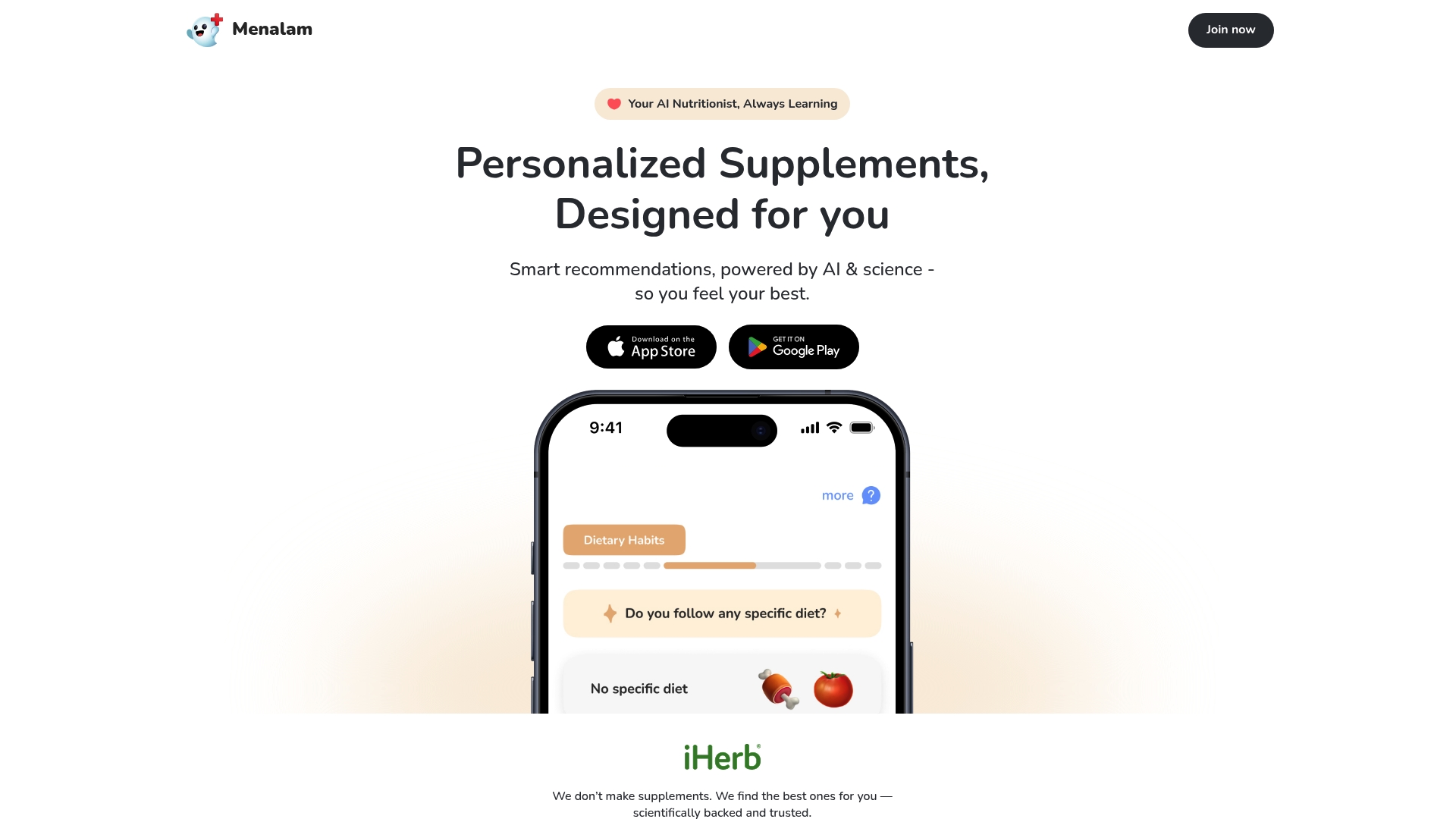
At Menalam, we believe everyone deserves tailored nutrition that empowers them to live their healthiest life. With our AI-driven platform, you can:
- Receive personalized supplement recommendations designed specifically for your unique health profile.
- Track your supplement intake and monitor your health progress through our user-friendly mobile app.
- Get smart reminders and ongoing adjustments to ensure your supplement regimen evolves with your changing needs.
Don’t wait for your health to take a backseat—join a community of health-conscious individuals who have taken control of their wellbeing. Act now, and discover your personalized supplement plan today! Your journey to optimal health starts here.
Leave a Reply